Royal Dornoch Golf Club sits where the Scottish Highlands meet the North Sea in a landscape of raw, untamed beauty. The course doesn’t conform to the manicured perfection of more famous links—it bends to the land, shaped by wind, sand, and sea rather than the other way around. The dunes rise and fall unpredictably, the fairways follow the natural contours of the coastline, and the greens are often buffeted by gusts that can turn a well-struck shot into a gamble. This is golf as it was meant to be played: not on a stage, but in the elements, where every round feels like a negotiation with nature. Locals say if you can master Dornoch, you can play anywhere.
The club’s origins trace back to 1877, when a group of enthusiasts carved a course from the wild, windswept moorland owned by the Duke of Sutherland. What began as a rough patch of coastal scrub soon became a gathering place for the town, a spot where the rhythms of the game wove themselves into daily life. In 1906, the club earned its royal prefix—a rare honor bestowed by King Edward VII, an avid golfer himself. That distinction placed Dornoch among the most storied courses in Scotland, though it has never sought the fame of St Andrews or Muirfield. Instead, it has quietly preserved the spirit of the game’s early days, when golf was less about competition and more about camaraderie and the simple pleasure of being outdoors.
The Championship Course, with its eighteen holes, is the club’s crown jewel, though it doesn’t announce itself with grand gestures. There are no two holes alike here. One might require a blind shot over a dune, another a precise approach to a green guarded by gorse, while the next could see your ball whisked away by a sudden crosswind. The Struie Course, shorter and slightly more forgiving, offers its own challenges, with sweeping views of the Dornoch Firth and the rolling hills beyond. Neither course is easy, but that’s part of the appeal. The difficulty isn’t manufactured—it’s inherent in the land itself.
The clubhouse is unassuming, a low stone building with large windows that frame the course and the sea beyond. Inside, the scent of aged wood and leather lingers, and the walls are lined with photographs and memorabilia from decades of play. There are no grand chandeliers or designer furnishings, just a quiet sense of history. The bar, a hub of post-round conversation, serves local whisky and ale, and the atmosphere is one of easy familiarity. This is a place where stories are exchanged as freely as drinks, where the game’s traditions feel alive rather than preserved behind glass.
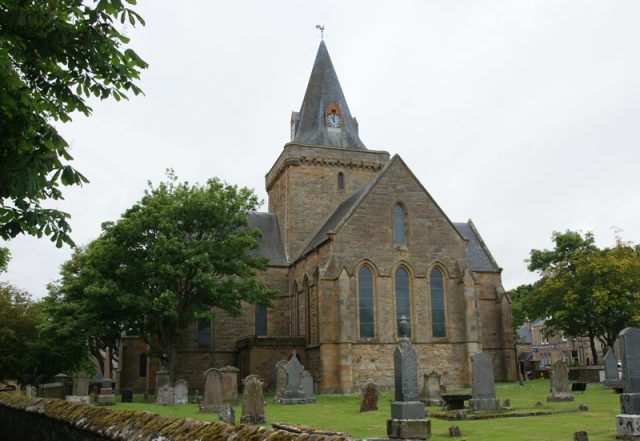
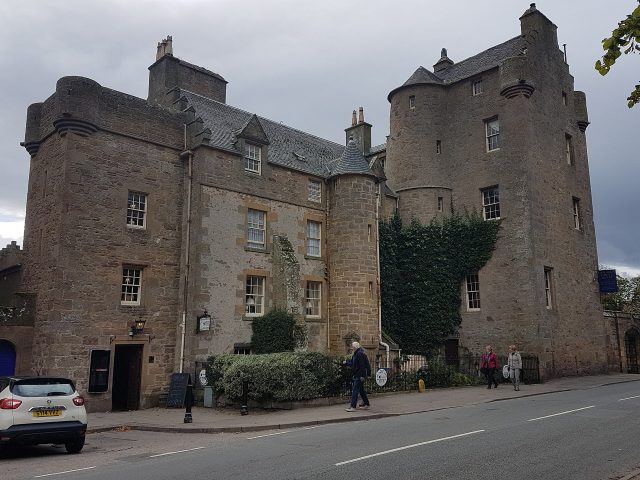
Dornoch itself is a small town, home to just a few thousand people, but its identity has long been tied to the club. In the 19th century, it drew Scottish aristocrats and later English visitors, all seeking the challenge of its links. Today, the town retains its unhurried pace. Narrow streets wind past stone cottages, small shops sell wool sweaters and local cheese, and the coastline beckons with its rugged beauty. In summer, the days stretch long, with sunlight lingering until nearly midnight, but even then, the town never feels crowded. Visitors come for the golf, but many stay for the walks along the shore, the quiet pubs, and the sense of stepping into a slower, older way of life.
Weather here is as much a part of the experience as the course itself. Even in summer, the wind rarely lets up, and the air carries a chill straight from the North Sea. Rain can arrive without warning, turning fairways slick and greens unpredictable. Winter brings frost, sometimes snow, and the course often closes for the season. But those who visit in the quieter months are rewarded with a different kind of beauty—Dornoch stripped of its summer visitors, stark and windswept, its dunes dusted with white. The elements don’t just influence the game; they define it.
Golf at Dornoch is less about perfection and more about adaptation. There are no electronic scoreboards, no motorized carts, no announcements blaring over speakers. The game unfolds as it has for over a century: players walk the course, follow their markers, and return to the clubhouse to dissect their rounds over tea or whisky. For many, this is golf in its purest form—not a spectacle, but a ritual. The focus isn’t solely on winning; it’s on the rhythm of the game, the way the light shifts over the dunes, the challenge of reading the wind.
The locals treat the club with respect, but not reverence. To them, it’s a part of life, not a shrine. You’ll find professionals here, but also beginners, retirees, and families who come simply to enjoy the space. There’s no strict dress code or rigid etiquette, though a certain decorum is expected. The club welcomes all, but tee times can fill up quickly, especially in peak season. Booking ahead is wise, though last-minute rounds are sometimes possible if you’re flexible.
Dornoch isn’t a destination for those seeking luxury. There are no five-star hotels or Michelin-starred restaurants, no spa treatments or designer boutiques. What it offers instead is something rarer: a sense of place. The wind off the sea, the cry of gulls, the way the light softens as evening approaches—these are the things that linger. You might spend a few days here, playing round after round, or simply wandering the coastline, watching the tide roll in. Or you might come for a weekend, just long enough to feel the pull of the old links, where golf was never just a game, but a way of connecting with the land and with each other.