- Home
- United Kingdom
- Dornie
Dornie
United Kingdom · 4 places
Photo: Wikimedia Commons, CC BY-SA 2.0
Dorchester might look like it’s been lifted straight from the pages of an old English storybook, but it doesn’t bother with picture-perfect postcard charm. Instead, it moves at its own quiet pace, where narrow lanes wind between honey-colored stone houses and the market square hums with the scent of fresh bread and local cheeses in the morning. There are no crowds jostling for the next photo op, no sense of urgency—just the feeling that time here has a softer rhythm than in the towns nearby. Dorchester doesn’t shout about its beauty, and that’s exactly what makes it special.
Tucked into the heart of the Cotswolds, the town sits among rolling hills where golden limestone cottages dot the landscape and sheep graze on gentle slopes. Stone bridges arch over slow-moving streams, and footpaths lead to ancient burial mounds or the ruins of old mills. On clear days, the view from the hilltops stretches across valleys and villages that have barely changed in centuries. The countryside feels timeless, as if the land itself has settled into a comfortable, unhurried existence.
Dorchester’s history runs deep, back to the Middle Ages when it thrived as a wool-trading hub. The Cotswolds were once famous for their sheep, and the wool produced here was among the finest in England. You can still see traces of that prosperity in the sturdy churches with their stained-glass windows, the old warehouses now repurposed as cafés and shops, and fragments of the town walls that once enclosed it. The local museum, small but rich in character, offers a glimpse into life here through the ages—from Roman artifacts to relics of the Industrial Revolution. It’s the kind of place where you can wander in and out in an hour, but it feels more like visiting a neighbor’s attic than a formal exhibit.
These days, Dorchester is a place where life unfolds at a leisurely pace. In summer, traditional fairs bring folk music and dancing to the streets, while winter transforms the town with twinkling lights and the scent of mulled wine and roasted chestnuts. The pubs are the heart of the community, where locals gather for a pint and a chat, and some still have old bread ovens that once fed the whole village. Travelers who stay awhile often rent a cottage or a room in a guesthouse, waking up to the sound of church bells and the slow rhythm of country life.
There are no grand attractions or luxury resorts here, and that’s the appeal. Dorchester is for those who’ve had enough of rushing, who’d rather wander aimlessly through antique shops, sip tea in a café with a view of the old church, or cycle along quiet lanes. It’s the kind of place that reminds you the best journeys aren’t about ticking off sights, but about slowing down long enough to notice the details—the way the light falls on the stone walls in the afternoon, or the sound of laughter drifting from a pub on a Friday night.
See & Do
4 places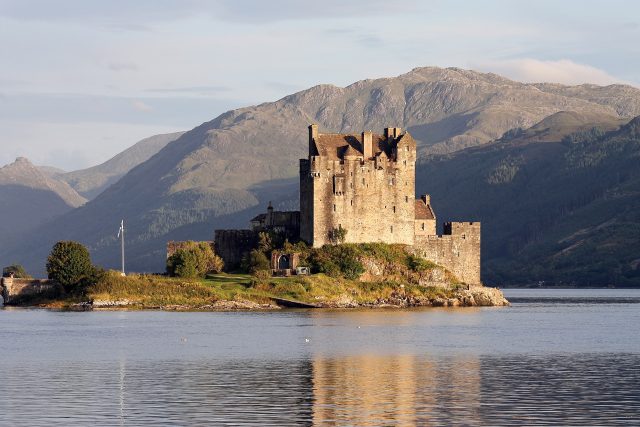
Places on the map
Marker colour follows the categoryClimate and weather
Detailed weather: Dornie- Average temperature
- 9 °C
- Precipitation per year
- 2386 mm
- Average humidity
- 85 %
- Sunshine hours per day
- 5.8 h
- Time zone
- UTC+1 (GMT+1)
Average air temperature
°C
4
5
6
9
13
14
15
15
13
10
6
5
Jan
Feb
Mar
Apr
May
Jun
Jul
Aug
Sep
Oct
Nov
Dec