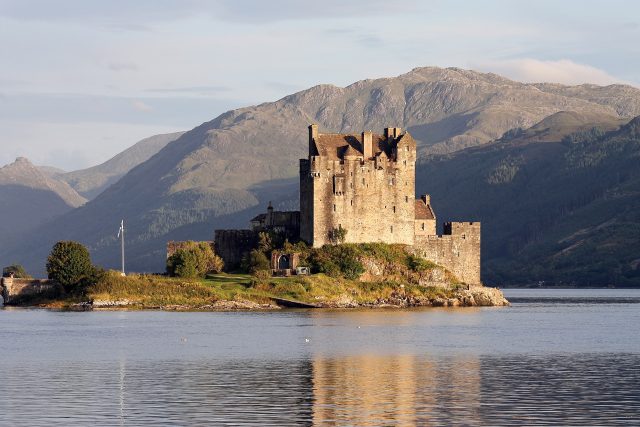
Dornoch Beach lies where the North Sea meets the rugged coastline of northern Scotland, a stretch of golden sand framed by low dunes and windswept grass. The only sounds here are the cry of gulls and the rhythm of the waves, a quiet that feels almost deliberate. On clear days, the horizon blurs into the sky, while in overcast weather, the water turns a heavy, metallic grey. The wind carries salt spray, sharp and clean, and the air is thick with the scent of seaweed and damp earth.
This coast has always been a place of purpose, not leisure. Centuries ago, it served as a landing point for fishermen and traders, their boats pulled ashore where the sand meets the dunes. Later, locals gathered seaweed from the tideline, dragging it inland to fertilise the thin, rocky soil. In the 1800s, when Scotland became fashionable among the British elite, visitors came not to swim but to hunt grouse on the moors or walk these empty shores, drawn by the stark beauty of the landscape. Today, the beach still attracts those who prefer solitude over crowds, though now they come with cameras instead of rifles.
There is little in the way of grand architecture here. A handful of old stone cottages, their walls weathered by salt and wind, stand near the dunes. Some have been converted into guesthouses or private homes, their windows facing the sea just as they have for generations. One, built in the Victorian era, once offered shelter to weary travellers; now, it watches over the same stretch of water, its presence unchanging. The nearest sign of civilisation is the town of Dornoch itself, a couple of miles inland, where narrow streets wind between grey-stone houses and a 13th-century cathedral stands as a reminder of the land’s long history.
The beach is not a place for distractions. There are no promenades, no cafes, no signs pointing the way to attractions. In summer, you might see a few locals walking their dogs or a photographer framing the perfect shot of the dunes. Winter brings near-total emptiness, the wind etching patterns into the sand that vanish with the next tide. The water is cold year-round, so cold that even in July, only the hardiest swimmers venture in, emerging with a gasp and a rush of something like exhilaration. At low tide, the sea retreats to reveal vast sandbanks, where you can wander for hours without seeing another soul.
Weather here is unpredictable. One moment, the sun spills across the beach, turning the sand warm and golden; the next, a thick mist rolls in, swallowing the dunes and muffling the sound of the waves. Storms can be fierce, the wind howling as waves crash against the shore, hurling seaweed and shells onto the sand. After the rain, the beach darkens with silt, the air heavy with the smell of salt and wet stone. But when the clouds part, the light is so clear it feels as though the world has been reset.
For those who pay attention, the beach is alive with wildlife. Seabirds nest in the dunes, their calls sharp against the sound of the surf. Seals haul themselves onto the rocks at low tide, watching with dark, curious eyes. In spring and autumn, the shore becomes a rest stop for migrating geese and ducks, their formations dark against the pale sky. Locals speak of dolphins glimpsed at dawn, though such sightings are rare. This is a place where nature dictates the rhythm, and humans are merely passing through.
Reaching Dornoch Beach requires patience. The nearest city, Inverness, is a long drive away, the road winding through hills and past scattered farms where sheep graze on the rough grass. There are no grand signs announcing the beach; it reveals itself only to those who take the narrow track leading down to the shore. Many pass by without a second glance, but those who turn off find themselves in a landscape that feels untouched by time.
There are no crowds here, no schedules to keep. You can come for an afternoon or stay for a week, renting a room in one of the old cottages where the walls seem to hold the sound of the sea. Walk the length of the beach at low tide, collecting shells or simply sitting on a dune, watching the light change over the water. Time moves differently here, slower and without urgency. Each day feels like a discovery, a quiet unspooling of moments.
This is a place for those who have grown tired of noise, who want to feel the raw, unfiltered Scotland—the one that exists beyond postcards and guidebooks. It is beautiful in its austerity, a landscape that demands nothing but attention. The wind, the waves, the shifting light: these are the only things that matter. And if you stay long enough, you might begin to understand why people have been drawn here for centuries, not for what it offers, but for what it takes away.