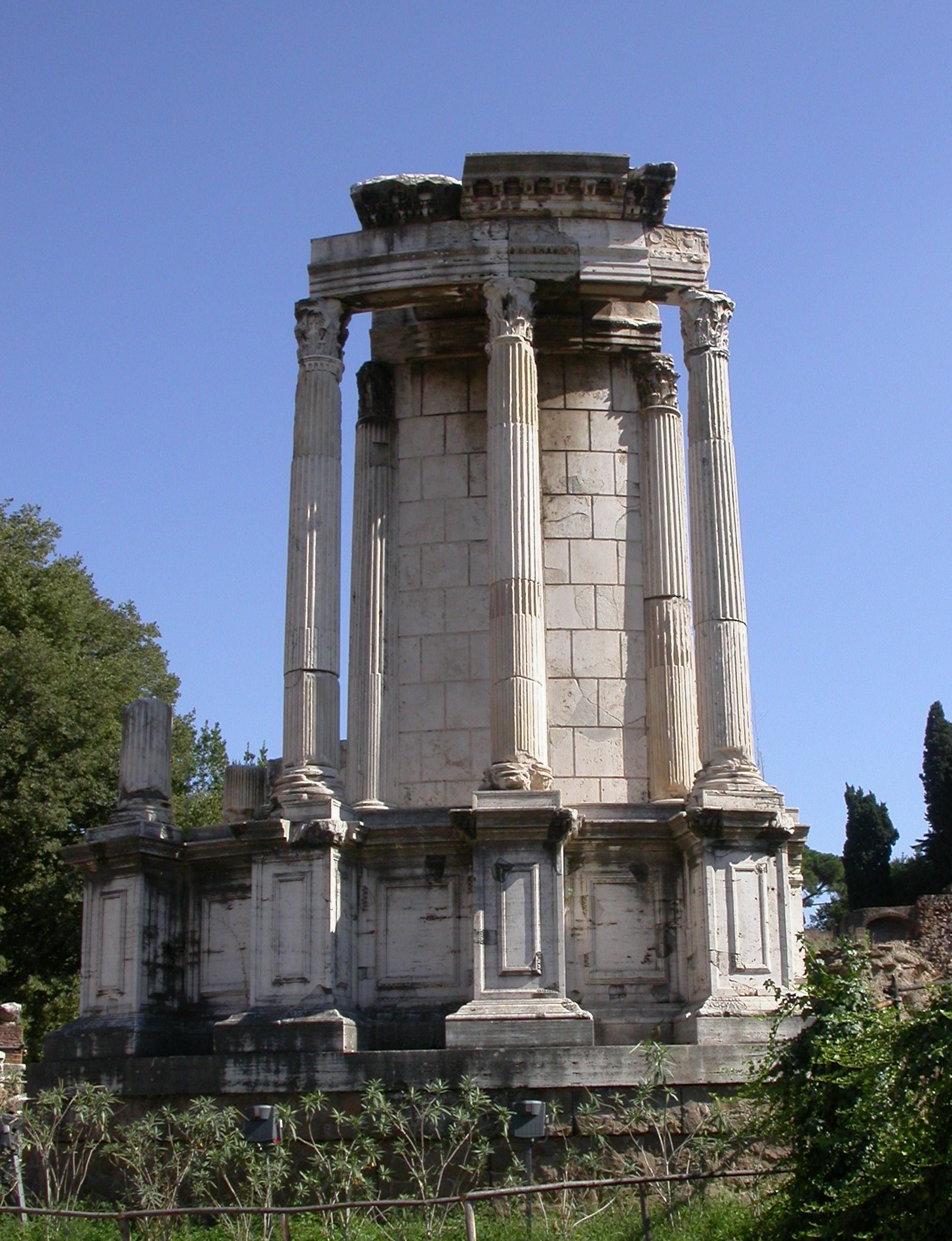
Perched on the edge of a cliff overlooking the Aniene River, the Temple of Vesta in Tivoli is one of those rare places where the weight of centuries feels almost tangible. Its ruins, though weathered by time, still carry the quiet dignity of ancient craftsmanship. The circular structure, with its ring of Corinthian columns, was built in the first century BCE, though some scholars suggest it may date even earlier. The design wasn’t arbitrary—round temples in antiquity were typically dedicated to goddesses associated with hearth and nature, and Vesta, the keeper of Rome’s sacred flame, was among the most revered. The temple’s form, elegant yet unassuming, reflects both its religious purpose and the refined tastes of the era.
Tivoli, known in ancient times as Tibur, was a retreat for Rome’s elite, a place where emperors and aristocrats escaped the capital’s chaos. Here, architecture and landscape merged seamlessly, and the Temple of Vesta became part of that harmony. Its position on the high riverbank gives the impression that it floats above the valley, its columns framing the view like a carefully composed painting. The temple wasn’t just a place of worship; it was an element of the scenery, a testament to how the Romans shaped nature to complement their vision of beauty.
The architecture balances precision with grace. Sixteen Corinthian columns, their capitals adorned with acanthus leaves, once supported an entablature, fragments of which remain today. Inside, a statue of Vesta stood before the sacred flame, a symbol of Rome’s endurance. Now, only the columns and part of the wall survive, yet the structure still commands attention. The proportions were designed to be admired from every angle, revealing the skill of ancient builders who understood how light and space could enhance a monument’s presence.
It’s easy to confuse this temple with the more famous Temple of Vesta in Rome’s Forum, but the two are distinct. The Roman version was modest and enclosed, while the one in Tivoli is more open and imposing. This difference might reflect Tivoli’s role as a retreat for the elite—here, the cult of Vesta may have been as much about aesthetics as devotion. The temple’s grandeur suited the tastes of those who sought beauty in their surroundings, blending religion with the art of living well.
Like many ancient structures, the temple fell into disrepair over the centuries. Its columns collapsed, and the area around it became overgrown. But during the Renaissance, interest in antiquity revived, and the ruins became a source of inspiration for artists and architects. The temple’s form influenced figures like Palladio, who sought to recapture the harmony of Roman design. Its legacy lives on in the way it shaped later interpretations of classical architecture.
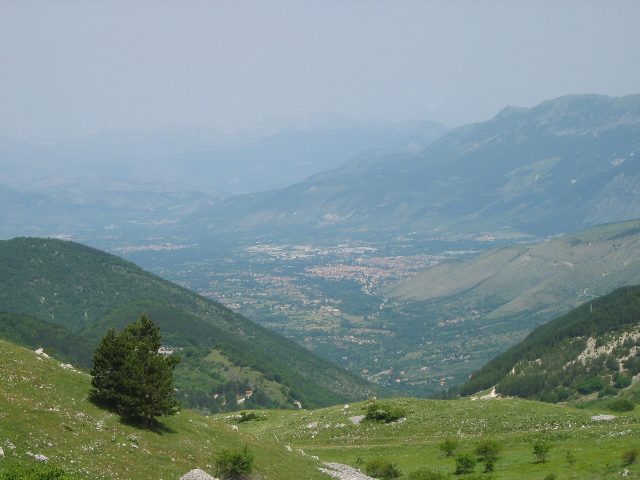
Today, the Temple of Vesta is more than a historical relic—it’s a place where the past feels alive. It stands in contrast to the narrow streets and medieval churches of modern Tivoli, yet it belongs here, as if the centuries between its construction and the present day have blurred. Visitors come not just to see it but to stand among the columns, feeling the cool stone and the breeze from the river below. The surrounding park offers quiet paths with views of the Aniene Valley and distant mountains, a reminder of how the landscape once framed the temple’s purpose.
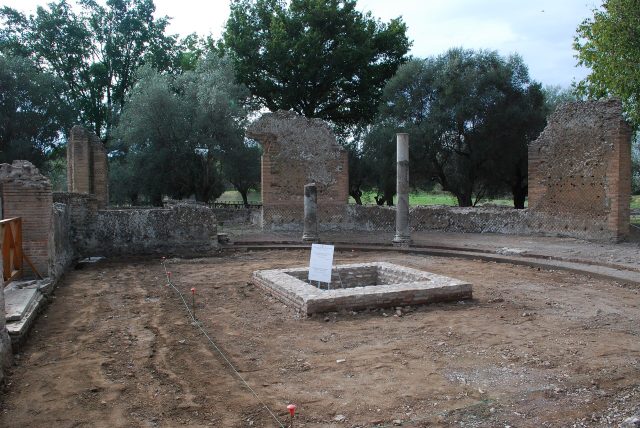
The temple’s proximity to Hadrian’s Villa, the sprawling imperial retreat nearby, suggests a deeper connection. Hadrian himself likely passed by it on his way to his estate, and this may explain why the temple survived better than many other ruins of its time. It was part of a route frequented by the powerful, and as such, it received more care. The two sites—Hadrian’s Villa and the Temple of Vesta—tell different but complementary stories of Tivoli’s past.
A visit here isn’t just a stop on a tour; it’s a chance to step into history without the crowds of Rome. The ruins invite quiet reflection, allowing you to imagine the murmurs of prayers and the rustle of togas. In the late afternoon, as the sun dips below the horizon, the columns cast long shadows, and the air grows still. Time seems to slow, as if the temple itself resists the rush of the modern world. Tivoli, with its ancient stones and winding streets, offers a rare sense of continuity—a place where the past isn’t just remembered but felt.