Tivoli
Italy · 7 places
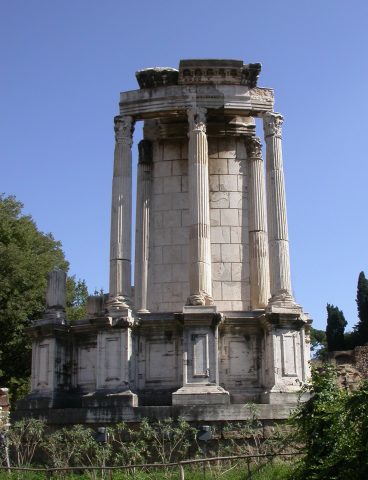
Photo: LPLT, CC BY-SA 3.0
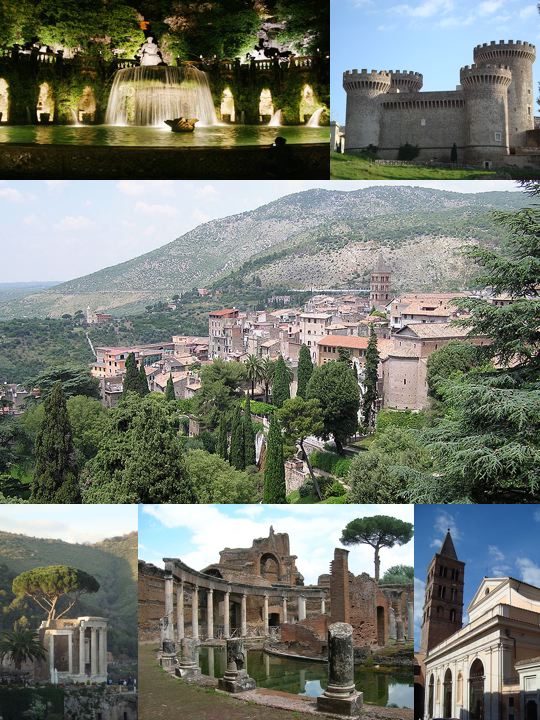
Tivoli sits in the foothills of the Apennines, just thirty kilometers from Rome, yet stepping into it feels like entering another world entirely. The air carries the scent of laurel and cypress, mingling with the woodsmoke drifting from trattorias where locals gather for slow lunches. The town sprawls across a rocky hillside, its streets winding down toward the Aniene River—a swift, restless current crashing over boulders in a series of waterfalls. Long ago, Roman patricians sought refuge here from the stifling heat of the capital, building villas to escape the summer swelter. Today, Tivoli still holds that quiet charm, where history lingers in the stones but life moves at its own unhurried pace.
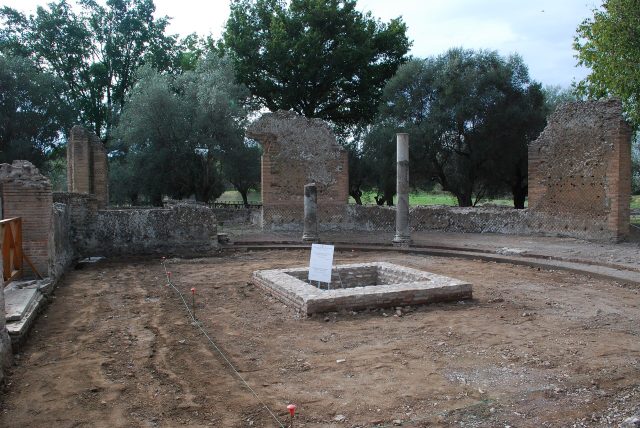
The most striking remnant of that past is Hadrian’s Villa, a vast complex just outside the town. More than a retreat, it was Emperor Hadrian’s vision of a perfect miniature world, a place where he could recreate the wonders he’d seen in his travels. The ruins sprawl across the landscape, with remnants of theaters, libraries, baths, and temples scattered among the hills. Some structures are exact copies of famous Greek and Egyptian buildings, others purely original. Walking through the site, it’s easy to imagine the murmur of philosophers in the gardens, the splash of water in the pools, and the emperor himself pacing the terraces, lost in thought. The villa isn’t just impressive for its size—it’s the way it blends into the land, as if the hills and valleys were shaped to cradle it.
Closer to the heart of Tivoli lies Villa d’Este, a masterpiece of the Renaissance. Built for Cardinal Ippolito d’Este, it was meant to outshine anything in Rome, and its gardens still do. Water is the star here—hundreds of fountains, cascades, and grottoes transform the hillside into a living work of art. Some jets shoot high into the air, others trickle from the mouths of stone dragons, and one, the Fountain of the Organ, once played music through a clever system of pipes. The gardens feel timeless, a place where nature and human ingenuity merge seamlessly. Even now, centuries later, the magic hasn’t faded.
Yet Tivoli isn’t just a collection of monuments. It’s a town that lives and breathes, where the past and present coexist effortlessly. Narrow medieval alleys lead to small piazzas where old men play cards under plane trees and shoppers haggle over bunches of fresh herbs at the market. In the evenings, the air fills with music—concerts in the squares, opera performances in the gardens of Villa d’Este. The pace is slower here, unhurried. Locals sip espresso at café tables, bakers pull loaves from wood-fired ovens, and the scent of garlic and olive oil drifts from open kitchen windows. There’s no rush, no pressure to perform for tourists.
Unlike Rome or Florence, Tivoli doesn’t feel crowded. You can spend hours wandering Hadrian’s Villa, tracing the outlines of ancient walls, then stroll into town for a coffee in the shadow of the cathedral. The river below flows just as steadily as life here does—unassuming, steady, real. History isn’t something distant in Tivoli; it’s woven into the fabric of everyday moments. Maybe that’s why artists and writers have always been drawn to it. The air feels lighter, thoughts clearer. Time moves differently here, not in a hurry, but in its own quiet rhythm.
See & Do
All of them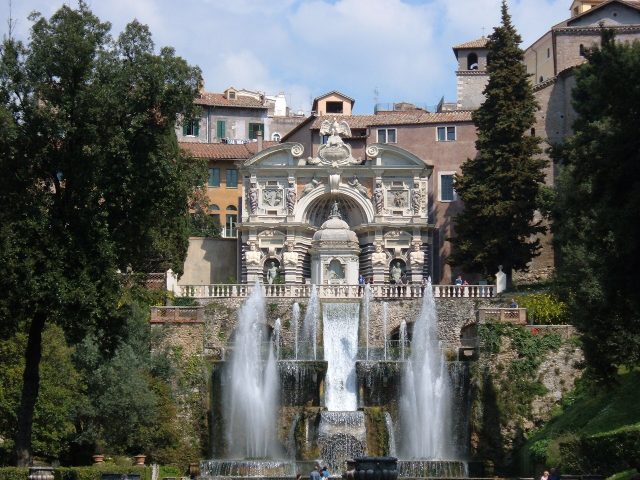
Places on the map
Marker colour follows the categoryClimate and weather
Detailed weather: Tivoli- Average temperature
- 17 °C
- Precipitation per year
- 663 mm
Average air temperature
°C
9
10
11
15
18
24
27
26
22
18
13
10
Jan
Feb
Mar
Apr
May
Jun
Jul
Aug
Sep
Oct
Nov
Dec


