It sits on a small square in the historic center, surrounded by buildings whose facades show the marks of different eras. From the outside, it doesn’t stand out like Rome’s grand basilicas or Florence’s soaring cathedrals. The stone walls, simple Romanesque lines, and modest portal suggest a building made for those who have worshipped here for centuries, not for tourists.
The cathedral’s history begins in the early Middle Ages, though the exact founding date is debated. By the 9th century, a church dedicated to Saint Lawrence already stood here. In the 12th century, it was rebuilt in the Romanesque style, shaping its current form. Later renovations left its core intact—a link to when Tivoli was a key religious and commercial stop between Rome and Abruzzo.
Inside, the space feels small. Three naves are divided by low columns with simple carvings on their capitals. The vaults lack frescoes, unlike wealthier churches, but this makes the quiet reverence more noticeable. The marble altar stands before a semicircular apse where the choir once gathered. A side chapel holds fragments of old frescoes, remnants of religious scenes that once covered the walls.
The crypt beneath the altar is one of the oldest parts, preserved from the early Christian era. Its low vaults, rough stone, and dim light create a direct sense of the past. This was where relics were kept, and it remains largely untouched by later changes—a rare example of early Christian architecture in the region.
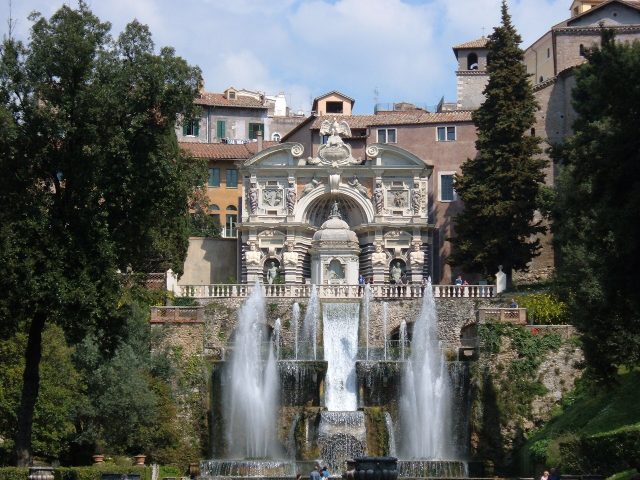
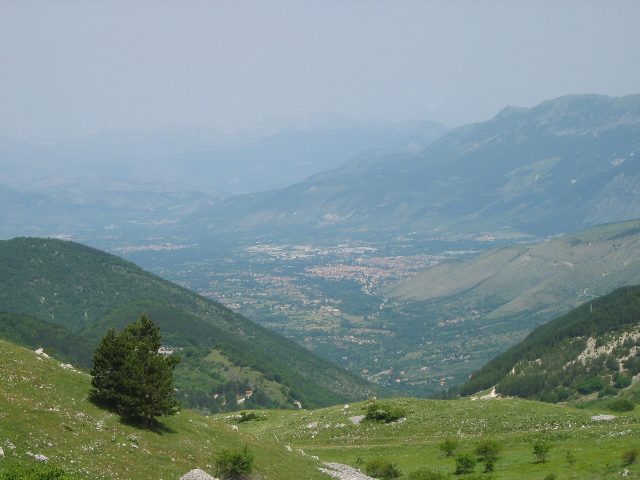
San Lorenzo is tied to Tivoli’s history. The town, perched between Rome and central Italy’s mountains, held strategic importance. The cathedral was where marriages were celebrated, the dead were mourned, and people gathered during wars and plagues. Documents and relics inside its walls recorded the town’s past. Even now, while Tivoli is known for its imperial villas and Renaissance gardens, the cathedral offers a quieter connection to history.
Time slows inside San Lorenzo.
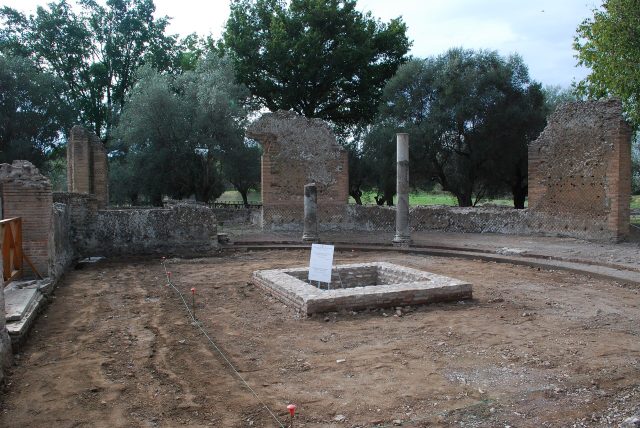
In summer, the thick stone keeps the interior cool. In winter, silence is broken only by the occasional visitor. Locals stop to light a candle or sit for a moment. Tourists drawn to Villa Adriana or Villa d’Este often miss it—and that’s why it feels real. No crowds, no selfie sticks, just the building and its history.
The cathedral is open daily, though hours may change with seasons and holidays. Entry is free. If you visit during a service, the organ and choir fill the space, making the ancient walls feel alive. Even without faith, such moments can move you—the sense of something beyond stone and mortar is hard to ignore.
Tivoli is famous for its imperial villas and Renaissance gardens, but San Lorenzo shows another side. There’s no extravagance here, just history without pretense. The cathedral doesn’t try to impress, and that’s why it does. It stands as a quiet witness to centuries of life, still holding its place in the world.