Perched on a hill overlooking the ancient town of Tivoli, Rocca Pia stands as a silent witness to centuries of shifting power, conflict, and quiet resilience. Built in the mid-15th century under the orders of Pope Pius II, the fortress was conceived as a statement of papal authority in a region that had long been a prize for conquerors. Tivoli’s strategic position, nestled between the Roman plains and the Sabine Hills, made it a coveted stronghold, and Rocca Pia was meant to secure it once and for all. Yet history, as it often does, had other plans. Within decades, the fortress passed into the hands of the Colonna family, one of Italy’s most powerful dynasties, who turned it into a private residence. The layers of its past are still visible today—Gothic arches give way to Renaissance windows, and the rough-hewn stone tells stories of both war and domestic life.
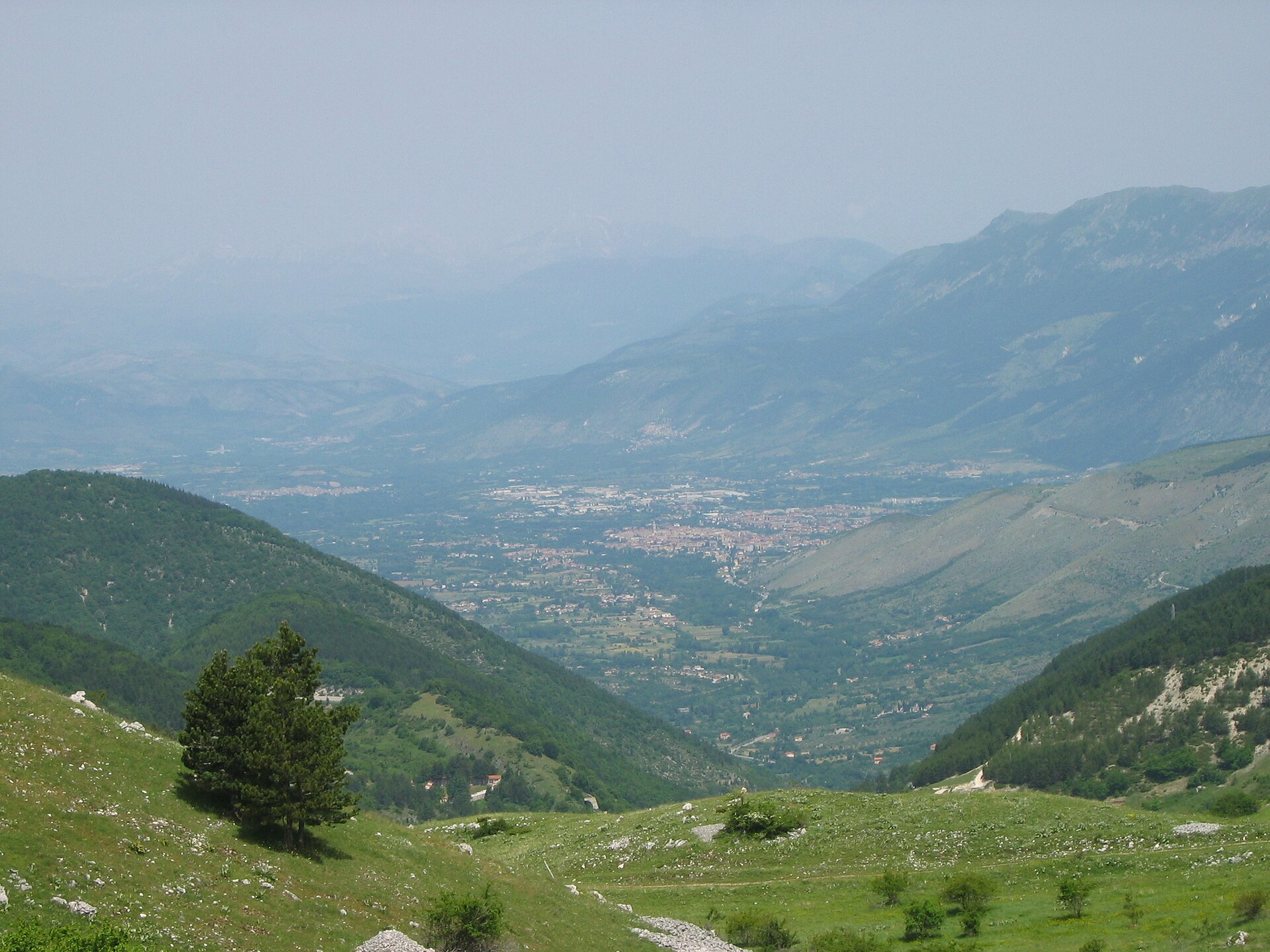
The architecture of Rocca Pia is a study in medieval military pragmatism. Thick walls, narrow arrow slits, and sturdy buttresses were designed to withstand sieges, not to impress. Yet there’s an unexpected grace to the structure, particularly in the inner courtyard, where arched walkways once sheltered stables and storerooms. On a clear day, sunlight filters through the stone, softening the fortress’s austere lines. The towers, largely intact, offer sweeping views of Tivoli and the surrounding countryside—a reward for those willing to climb the steep, winding stairs. From this height, the town unfolds like a living map: terracotta rooftops, the winding Aniene River, and the distant outline of Rome itself.
Inside, the fortress feels suspended in time. Unlike the crowded ruins of Rome, Rocca Pia is rarely overrun with visitors, which lends it an air of quiet intimacy. The empty halls echo with the imagined footsteps of papal envoys, Colonna nobles, and prisoners held in its dungeons. Some rooms still bear traces of their former grandeur—faded frescoes, fragments of decorative plasterwork—though much has been lost to neglect. Even in its current state, the fortress offers a glimpse of its past splendor, when tapestries adorned the walls and banquets filled the great halls. The absence of modern distractions makes it easier to imagine the fortress as it once was: a place of power, intrigue, and daily life.
Tivoli’s history is inseparable from that of Rocca Pia. For millennia, the town has been a crossroads of empires, a retreat for Roman elites, and a battleground for warring factions. In antiquity, it was famous for its cool springs and scenic beauty, attracting patricians who built lavish villas to escape the summer heat of Rome. The Middle Ages brought a harsher reality—fortresses like Rocca Pia rose alongside monasteries and winding alleys where danger could lurk around any corner. Yet even in its darkest periods, Tivoli remained a center of culture. The fortress embodies this duality: it is both a symbol of defense and a testament to the town’s enduring allure.
Today, Rocca Pia is more than a relic; it’s a place where history feels tangible. The rough texture of its walls, the drafts that sweep through its corridors, and the silence of its courtyards all serve as reminders of the people who once walked here. The fortress is open to the public, though it lacks the fame of Italy’s more celebrated landmarks. That obscurity is part of its charm. There are no crowds to navigate, no rigid tour schedules—just the freedom to wander, to pause, and to let the past seep in. For those who seek it, the experience can be deeply personal, a rare moment of connection with a place that has seen empires rise and fall.
Tivoli itself is a town that rewards exploration. Just thirty kilometers from Rome, it feels worlds away from the capital’s frenetic energy. Here, time moves at a slower pace, measured by the tolling of church bells and the murmur of the Aniene River. The town is a patchwork of eras: medieval churches stand near Roman ruins, and Renaissance villas coexist with narrow, cobbled streets. Rocca Pia is just one piece of this mosaic, but it offers a unique perspective on Tivoli’s layered history. To stand within its walls is to understand why the town has captivated artists, poets, and rulers for centuries—it is a place where the past is never truly past.
If you visit Tivoli, resist the urge to rush straight to the famous villas or ancient sites. Instead, begin with Rocca Pia. Let its stones tell you the story of a town that has weathered invasions, plagues, and the rise and fall of empires, yet still retains its character. Afterward, descend into the labyrinth of streets below, where life unfolds at an unhurried pace, much as it has for centuries. In Tivoli, history isn’t confined to museums or guidebooks; it’s woven into the fabric of everyday life. And Rocca Pia, with its quiet dignity, is one of the best places to feel that connection.