Villa d’Este in Tivoli feels like a place where the Renaissance never really ended. Built in the mid-16th century for Cardinal Ippolito d’Este, it was conceived not just as a country retreat but as a statement—an earthly paradise where architecture, water, and nature merged into something grander than any of them alone. The cardinal, son of Lucrezia Borgia and grandson of Pope Alexander VI, wanted more than a home; he wanted a symbol of power and refinement that would reflect his status. The task fell to architect Pirro Ligorio, already known for his work in the Vatican, and he delivered a masterpiece that would influence European garden design for centuries.
The villa itself is deceptively modest from the outside, its true splendor unfolding within. The interiors are a celebration of Renaissance ideals, with frescoes covering walls and ceilings in mythological and allegorical scenes. Each room tells a story—gods and heroes, the cardinal’s own life, the elements of nature—all rendered with a lightness that makes the space feel alive. The Hall of Fountains stands out, where water isn’t just decoration but part of the artistry, flowing in patterns that seem to dance. Walking through these rooms, you can almost hear the echoes of the lavish gatherings once hosted here, where Rome’s elite would have mingled under these same painted skies.
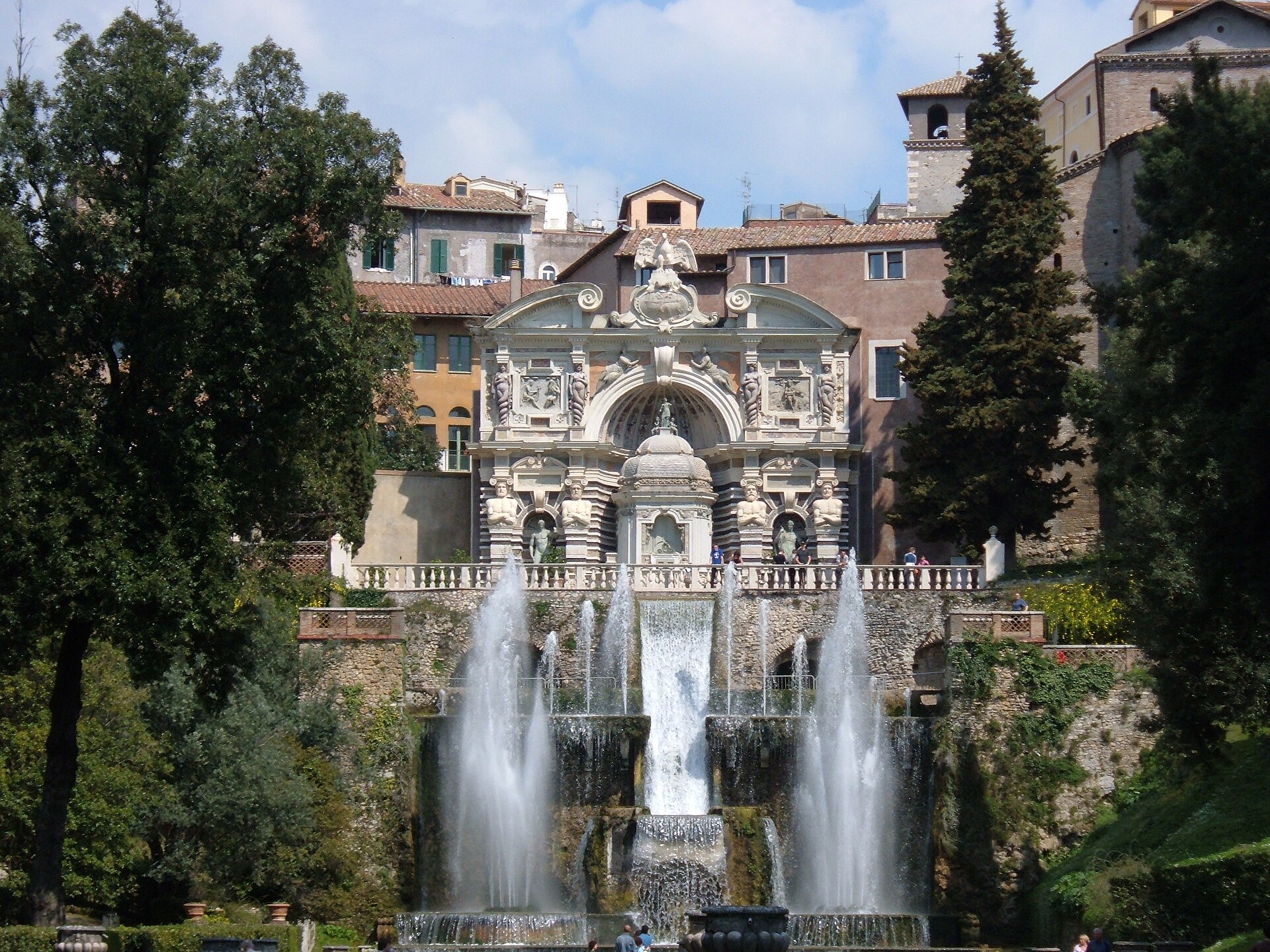
Yet the real magic of Villa d’Este lies in its gardens. Cascading down the hillside in terraces, they create an illusion of endless movement, where water, stone, and greenery blend seamlessly. In the Renaissance, water was more than a resource—it was a symbol of life and authority, and here it’s used with a kind of extravagance that feels almost playful. Fountains, grottoes, and water tricks all operate without pumps, relying instead on the natural slope of the land and the ingenuity of 16th-century engineering. The most famous of these is the Fountain of the Organ, which once played music powered by falling water. Today, it’s silent, but the sight of it still carries a quiet awe.
The gardens are a labyrinth of meaning, where every turn reveals another layer of symbolism. The Avenue of a Hundred Fountains isn’t just a pretty sight—it’s a nod to the ancient Roman aqueducts that once supplied the Eternal City. The Fountain of the Dragons, surrounded by mythological figures, hints at the legends of Tibur, the founder of Tivoli. And the Water Theater, with its marble statues and cascading streams, feels like a stage set for the gods themselves. Walking through these spaces, you’re not just seeing a garden; you’re stepping into a world where every detail was carefully crafted to evoke wonder.
Villa d’Este hasn’t always been the serene place it is today. After the cardinal’s death, it passed through many hands, enduring periods of neglect and near-destruction. In the 19th century, there were even plans to demolish it to make way for new development. Fortunately, it survived, thanks to the efforts of those who recognized its value. Now owned by the state, it remains open to visitors, though the sense of its former grandeur lingers. Perhaps it’s the water, still flowing through the same channels as it did five centuries ago, or the statues, standing as silent witnesses to the passage of time.
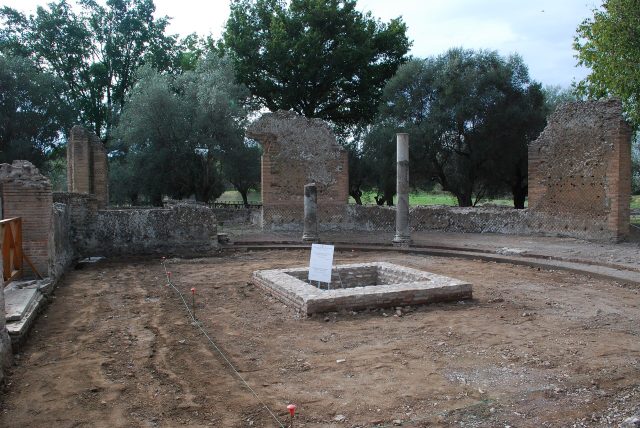
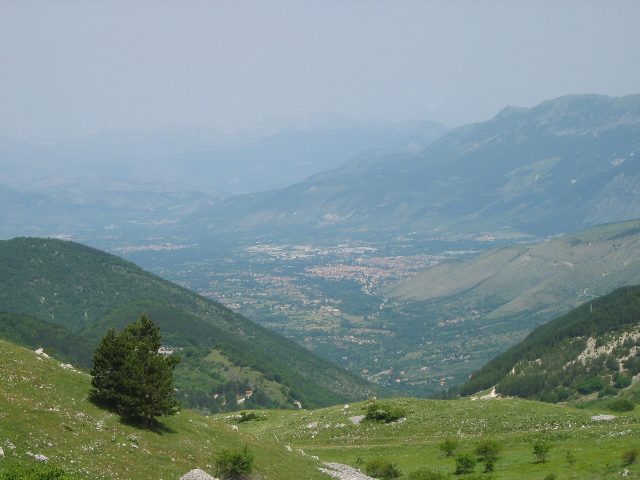
Tivoli itself is a town steeped in history. Founded in ancient times, it was a favorite retreat for Roman emperors, who built their own villas here. The nearby Villa Adriana, or Hadrian’s Villa, is a reminder of that era, when Tivoli was more than just a suburb of Rome—it was a place where the empire’s fate was shaped. Today, the town retains a quiet, provincial charm, but Villa d’Este ensures it remains on the map as a place where art and nature converge in a way that feels almost timeless.
Visiting Villa d’Este isn’t like ticking off another tourist attraction. There’s no rush, no crowds—just the sound of water, the rustle of leaves, and the occasional birdcall. The gardens change with the seasons: vibrant in spring, a cool refuge in summer, golden in autumn, and almost ethereal in winter. Yet no matter when you visit, the place has a way of slowing time down, offering a moment of quiet reflection amid the beauty.
Over the centuries, Villa d’Este has inspired countless artists, writers, and musicians. Goethe, Liszt, and Tchaikovsky all found something here—whether it was a symbol of elegance, a meditation on the fleeting nature of time, or simply a peaceful corner of the world. It’s a place that leaves you with a sense of lightness, as if you’ve stepped into a world where time moves differently. And in a way, it does.