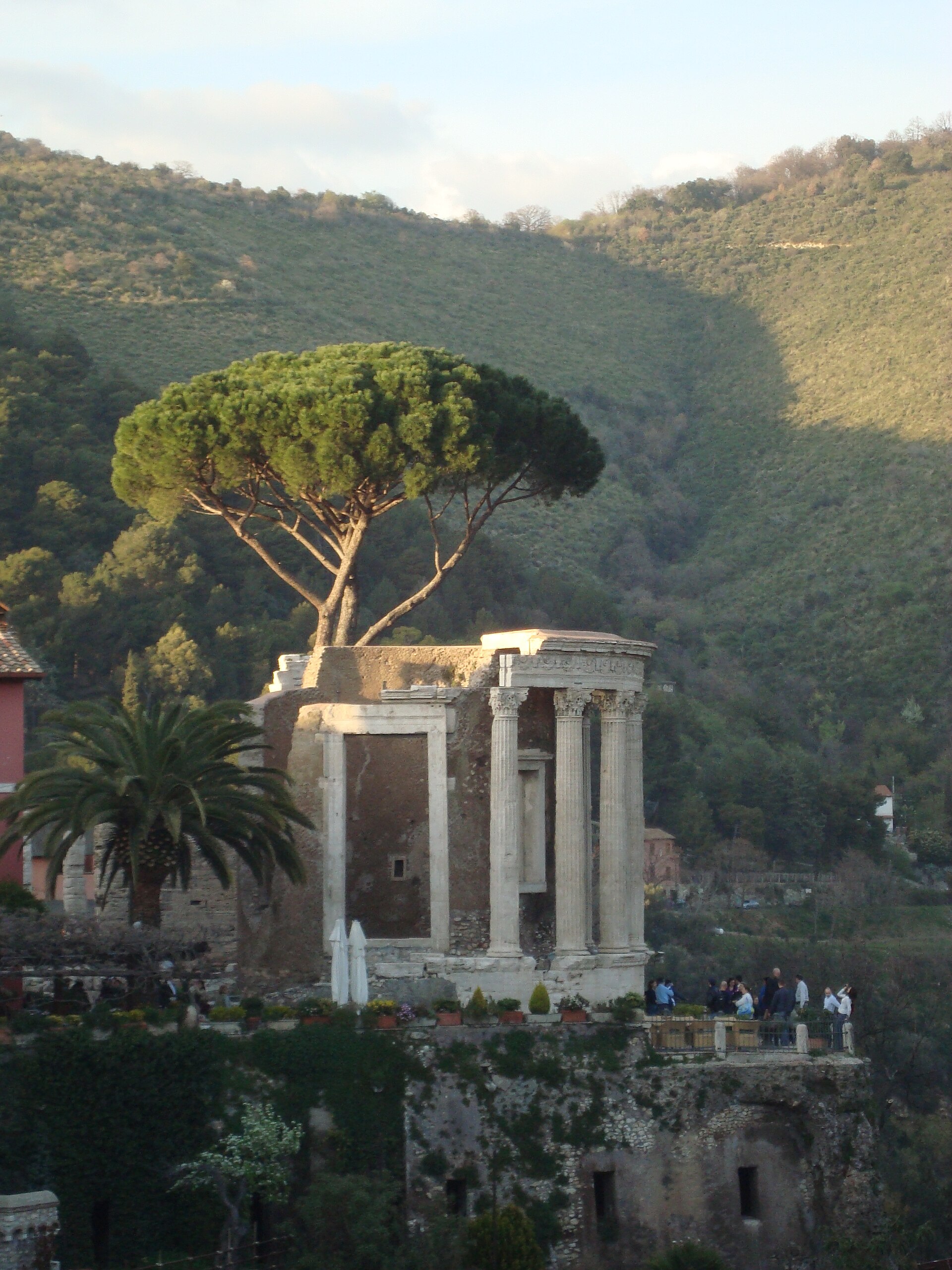
Perched on the edge of a cliff overlooking the Aniene River, the Temple of the Sibyl in Tivoli feels like a place where time has paused. Unlike the grand ruins of Rome or the lavish villas nearby, this small sanctuary carries its history quietly, not through towering columns or elaborate frescoes, but through the stillness of the air and the way the light falls on its weathered stone. It’s one of those rare spots where the past doesn’t feel distant—it lingers in the cracks of the ancient walls and the whisper of the wind through the trees below.
Built in the 2nd century BCE, the temple wasn’t dedicated to a single god but to the very idea of prophecy. The Sibyls, legendary seers of the ancient world, were believed to channel divine messages, and according to tradition, one of them foretold the birth of Christ right here in Tivoli. The temple’s design is simple—a rectangular cella behind a portico of four Doric columns—but its proportions and the way it clings to the cliffside give it a sense of quiet dignity. The stone, darkened by centuries, still holds the marks of the masons who shaped it, as if the hands that built it are somehow still present.
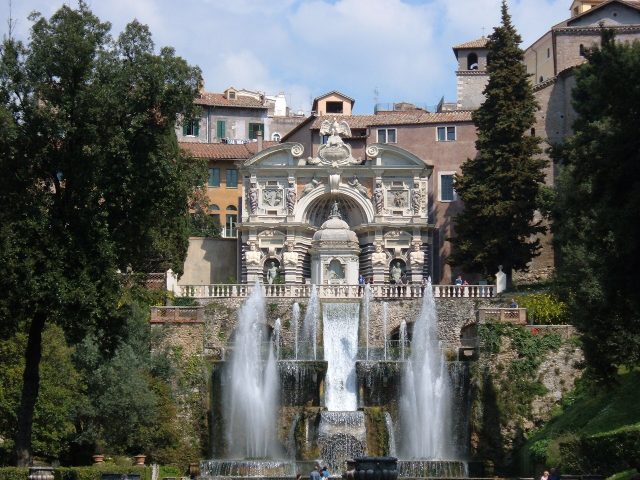
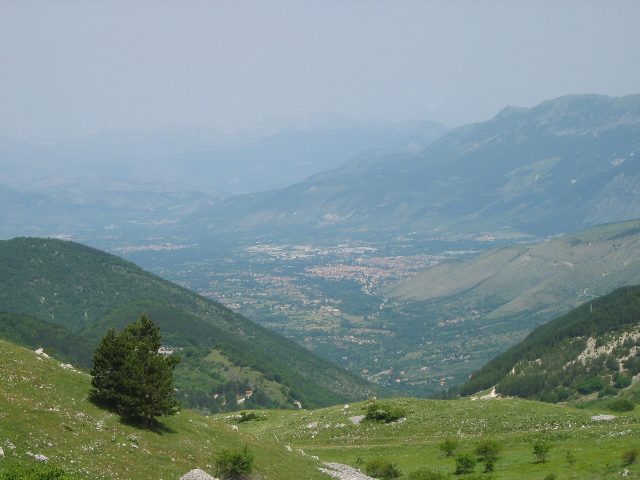
Tivoli itself is a town layered with history. Founded long before Rome, it became a retreat for emperors and nobles seeking escape from the capital’s heat and crowds. The Aniene River, rushing through the valley below, powered fountains and filled pools in the grand villas that once dotted the landscape. The Temple of the Sibyl, though not part of those opulent estates, fits naturally into this setting. From its vantage point, you can see the river winding through the valley, where vineyards and olive groves now grow in place of the forests that once covered the hills. On clear days, the sunlight dances on the water, and the world below feels suspended in time.
No one knows for certain what the temple was originally used for. Some scholars argue it was a shrine to the Tiburtine Sibyl, while others suggest it was part of a larger complex dedicated to Hercules, whose cult was strong in the region. There’s even speculation that it might have been linked to healing rituals, given its proximity to ancient thermal baths fed by the Aniene’s mineral-rich waters. Whatever its purpose, the temple has endured not as a relic frozen in time but as a place that still feels alive. Restorations over the centuries have been careful, preserving the sense of age rather than erasing it.
Visiting the Temple of the Sibyl is less about ticking off a tourist site and more about stepping into a different rhythm. There are no crowds here, no guided tours rushing through—just the sound of leaves rustling and the occasional murmur of locals walking through the surrounding park. You can sit on the worn steps, close your eyes, and imagine the people who came here two thousand years ago, seeking answers or simply a moment of peace. The park itself is a quiet place, where elderly men play cards under the shade of oak trees and families stroll along the paths. It’s the kind of spot that invites you to slow down.
The temple hasn’t always looked as it does today. In the Middle Ages, parts of it were dismantled for building materials, and during the Renaissance, it became a subject of fascination for artists and architects drawn to the classical world. Engravings and paintings from that era often depict it as a symbol of antiquity’s enduring allure. By the 19th century, as interest in archaeology grew, the temple was studied and restored, though always with an eye toward preserving its authenticity. Now, it stands as a testament not just to Roman engineering but to the human impulse to hold onto the past.
Tivoli is a place where history isn’t confined to museums—it’s woven into the streets, the gardens, and the very air. The Temple of the Sibyl, modest as it is, plays its part in that story. It reminds you that ruins aren’t just remnants of what was; they’re markers of how the past continues to shape the present. Maybe that’s why people still come here—not just to see, but to feel. Some are looking for inspiration, others for a moment of quiet reflection. Whatever the reason, the temple offers a rare sense of connection, as if by standing in its shadow, you’re touching something timeless. The modern world feels far away here, and for a little while, you can believe that the threads linking us to those who came before are still unbroken.