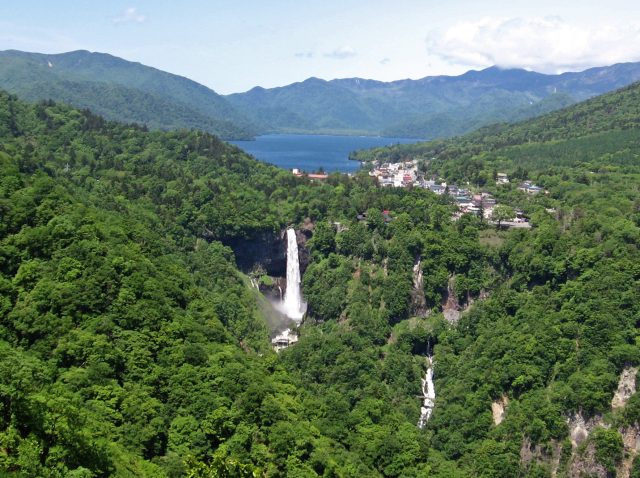
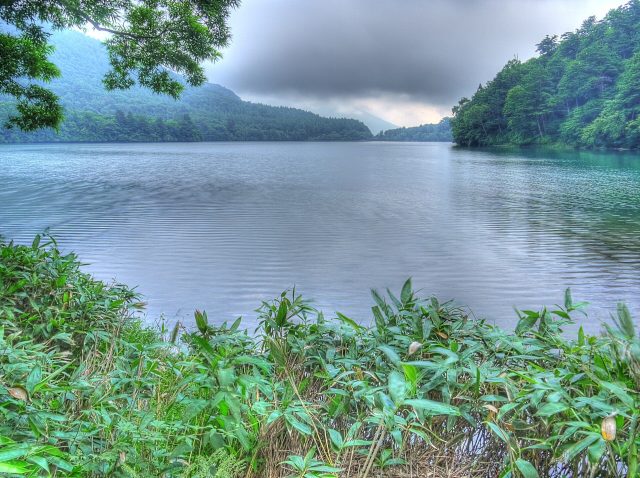
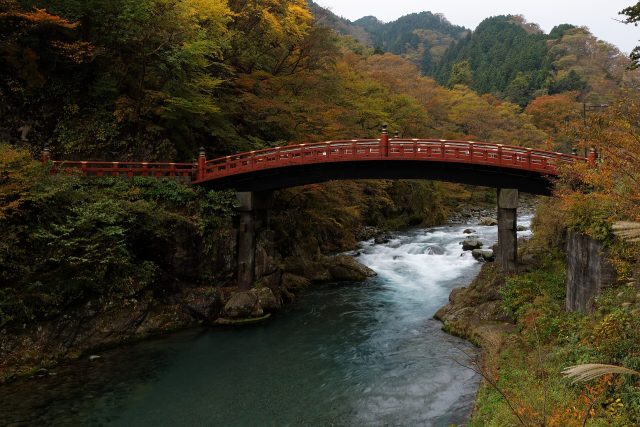
Nestled in the misty mountains of Nikko, Rinno-ji feels like a place where time has settled into stillness. The temple isn’t just another stop on a tourist route—it’s one of Japan’s most revered Buddhist sites, a quiet witness to centuries of faith, power, and artistry. The air here carries the scent of damp earth and pine, and the towering cedars seem to lean in as if guarding the secrets of the past. Even the light moves differently, filtering through the trees in soft, shifting patterns that make the wooden halls and moss-covered stones feel alive.
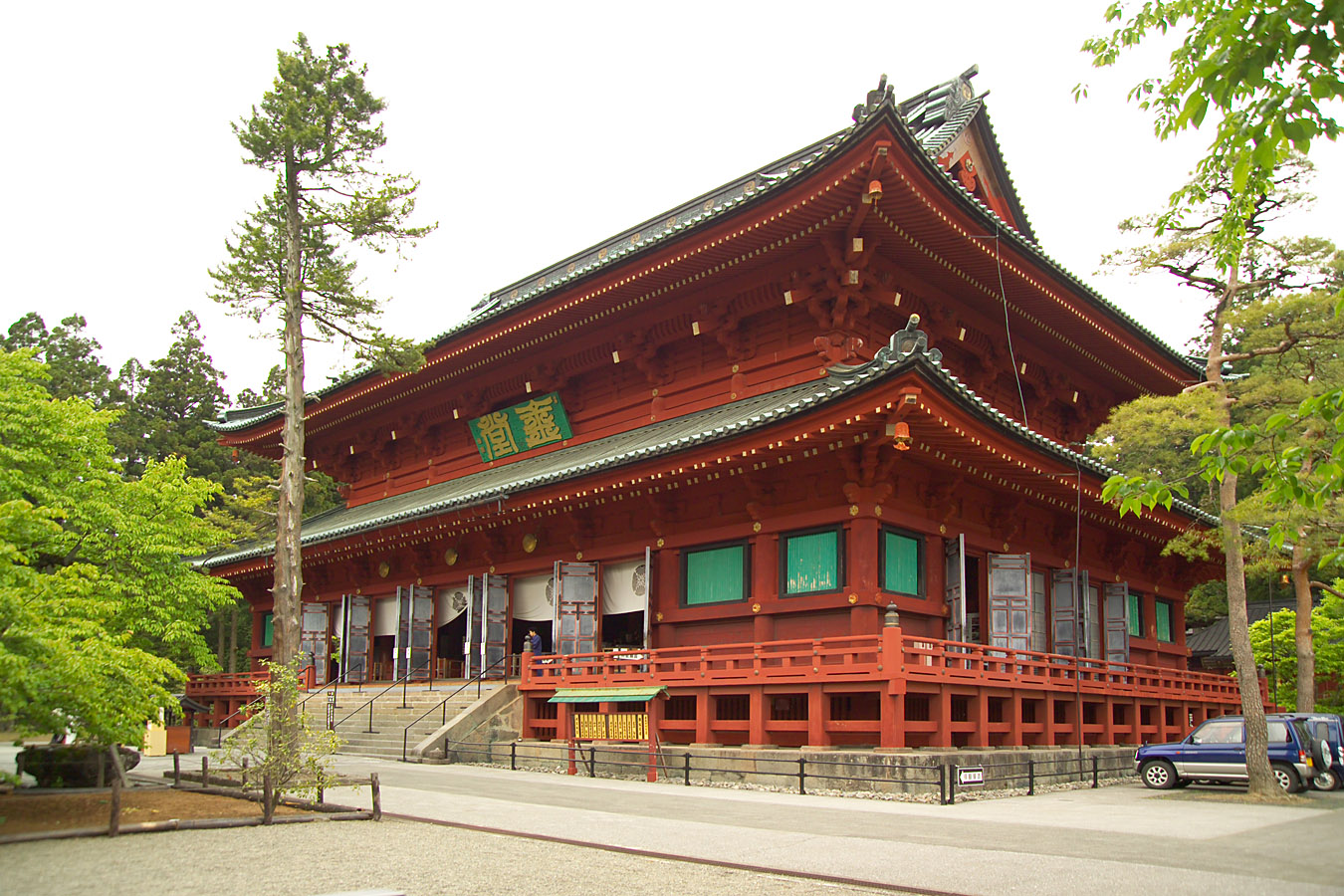
Rinno-ji was founded in the 8th century by the monk Shodo Shonin, who brought Buddhism to Nikko and turned these remote forests into a spiritual sanctuary. Over the years, the temple has been rebuilt and expanded, but its essence remains unchanged. The heart of Rinno-ji is the Sanbutsu-do, the main hall, where three towering gilded statues of Buddha command the space. These figures—Amida, Senju Kannon, and Bato Kannon—embody the fusion of Buddhism and Shinto that defines much of Japan’s religious landscape. The statues are so large that they seem to fill the dimly lit hall, their golden surfaces catching whatever light manages to slip through the wooden slats. There’s something humbling about standing before them, as if the weight of centuries presses gently against your shoulders.
The architecture of Rinno-ji tells its own story. The curved eaves of the roofs, the thick wooden pillars, and the intricate carvings all speak of a time when craftsmanship was measured in patience and devotion. The main hall, rebuilt in the 17th century, is a masterpiece of Edo-period design, its massive structure a testament to the temple’s importance. This was an era when Nikko had become a place of pilgrimage not just for monks and devotees, but for shoguns and emperors. The temple’s connection to power is most evident in its ties to Tokugawa Ieyasu, the founder of the last shogunate, whose mausoleum lies nearby. His presence lingers in the grand scale of the buildings and the careful balance between sacred and secular that defines the complex.
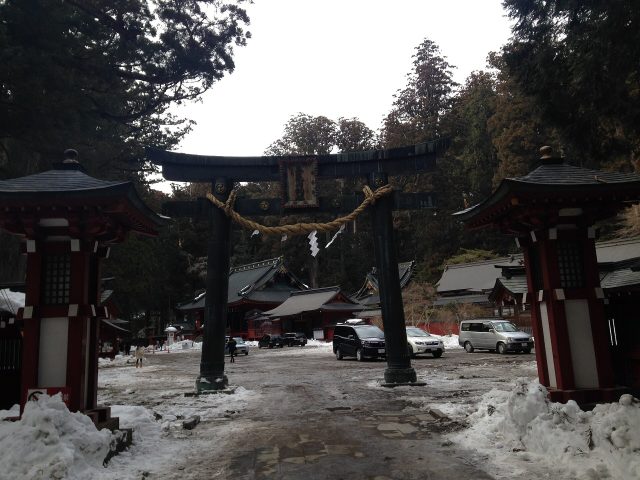
Walking through Rinno-ji is like stepping into a different rhythm. The paths are narrow, winding past maples that blaze red in autumn and offer cool shade in summer. Stone lanterns, their surfaces softened by moss, line the way, and small pagodas stand like silent sentinels. There’s no rush here—just the sound of leaves rustling and the occasional chime of a temple bell. Even the crowds that sometimes gather seem to move more slowly, as if the place itself encourages reflection. It’s easy to lose track of time, to sit on a wooden bench and watch the light change over the courtyard, or to follow the curve of a path just to see where it leads.
Rinno-ji isn’t a relic frozen in the past; it’s a living temple where rituals and ceremonies still unfold. In spring, the grounds are awash in cherry blossoms, and in autumn, the maples draw visitors for the annual momiji festival. But even on ordinary days, the temple hums with quiet activity. Monks in traditional robes tend to the gardens, pilgrims light incense before the Buddha statues, and locals come to sit in the stillness. There’s a sense of continuity here, as if every prayer and every swept path is part of a tradition that stretches back over a thousand years.
One of the most intriguing parts of Rinno-ji is its library, home to ancient scrolls and sacred texts that few outsiders ever see. Some of these manuscripts are centuries old, their pages filled with calligraphy that has survived wars, fires, and the slow decay of time. While visitors can’t browse the collection, the knowledge of its existence adds a layer of mystery to the temple. It’s a reminder that Rinno-ji isn’t just a place of worship—it’s also a keeper of history, a repository of knowledge that has been carefully preserved through the ages.
Nikko is often called the gateway to Japan’s past, and Rinno-ji is one of the reasons why. Unlike the neon-lit streets of Tokyo or the bustling markets of Kyoto, this temple exists outside the rush of modernity. There are no flashy attractions here, no attempts to dazzle visitors with spectacle. Instead, Rinno-ji offers something rarer: authenticity. The wooden beams are worn smooth by time, the stone steps are uneven from centuries of footsteps, and the air carries the weight of countless prayers. It’s a place that doesn’t need to prove its significance—it simply is, as it has been for generations.
If you ever find yourself in Nikko, take a moment to step away from the more famous sights. Walk up the path to Rinno-ji, enter the main hall, and sit on the wooden steps. Listen to the silence, watch the way the light moves through the trees, and let the weight of the place settle over you. This is where Japan’s past and present intersect—not in grand gestures, but in the quiet, enduring presence of a temple that has seen empires rise and fall, yet remains unchanged in its essence. It’s the kind of place that lingers in your memory long after you’ve left, a quiet reminder of what it means to stand still in a world that never stops moving.