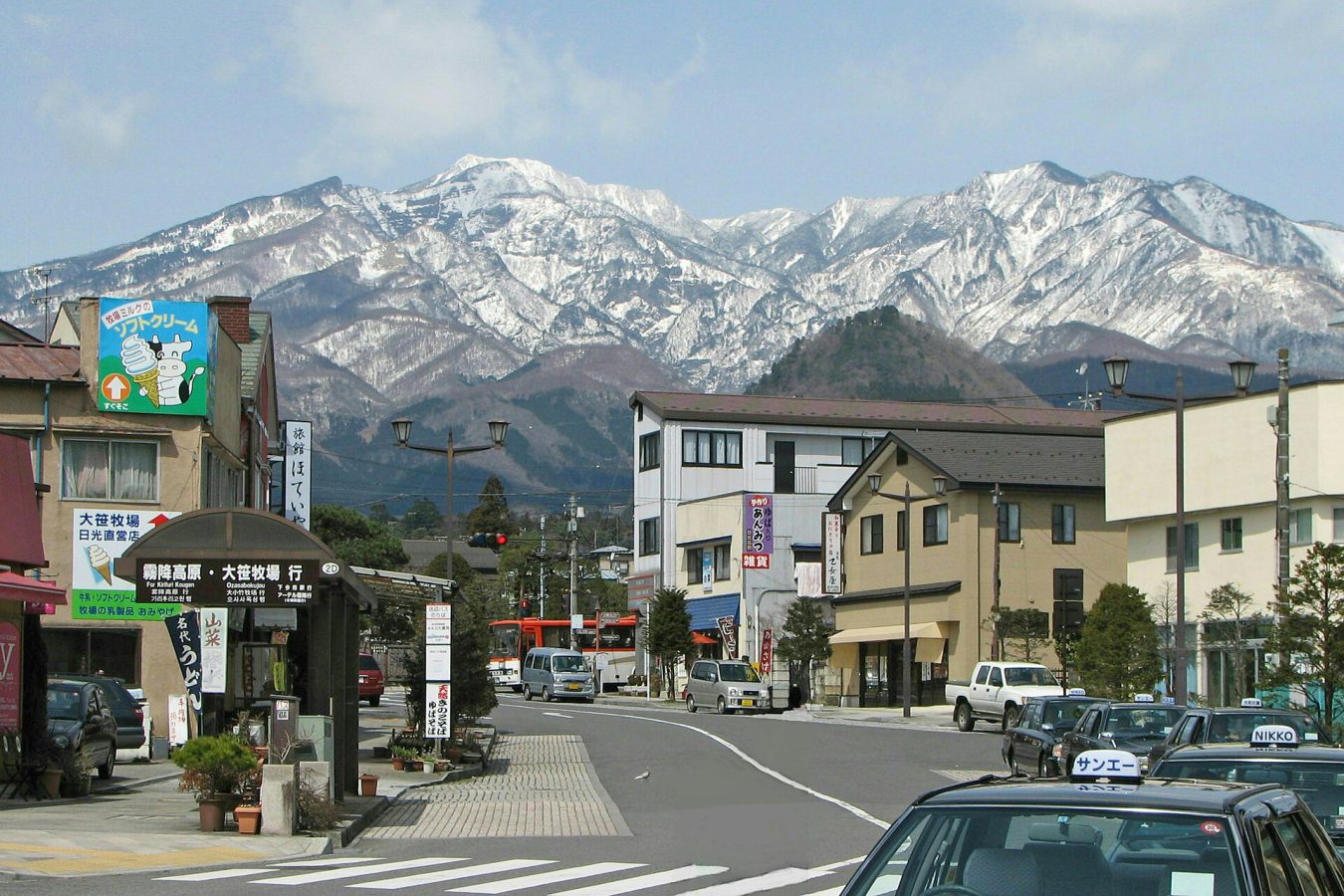
Nikkō
Japan · 5 places
Photo: Bernard Gagnon, CC BY-SA 3.0
Nikko feels like a place where time moves differently, where the past lingers in the rustle of cedar trees and the murmur of mountain streams. Tucked among the forested slopes of northern Honshu, just a couple of hours from Tokyo, it offers a quiet contrast to the city’s relentless pace. The air is crisp, scented with pine and damp earth, and the only sounds are the distant rush of waterfalls and the occasional chime from a shrine. This is a town where nature and history exist side by side, so seamlessly that it’s hard to tell where one ends and the other begins. The temples and shrines here are UNESCO World Heritage sites, their wooden gates and weathered stone paths carrying centuries of craftsmanship and devotion. But more than that, they carry a sense of stillness, as if the land itself has absorbed the reverence of those who’ve walked here before.
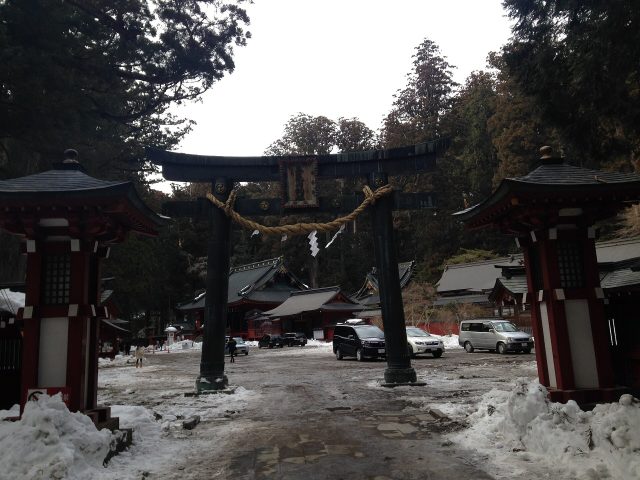
The heart of Nikko is Tōshō-gū, a shrine complex built in the early 1600s to honor Tokugawa Ieyasu, the first shogun of the Edo period. It’s not just a monument—it’s a masterpiece of woodwork, where every carving and curve tells a story. The Yōmei-mon gate, with its intricate dragons and flowers, is often called one of Japan’s most beautiful structures, its details so fine they seem almost alive. Inside, the famous sleeping cat carving watches over the grounds, a quiet symbol of peace, while a flight of stone steps leads to the shogun’s mausoleum. In autumn, the maple trees blaze red and gold, their leaves drifting onto the paths like embers from some ancient fire. Even in the height of tourist season, the place feels serene, as if the crowds are merely passing through while the shrine itself remains untouched by time.
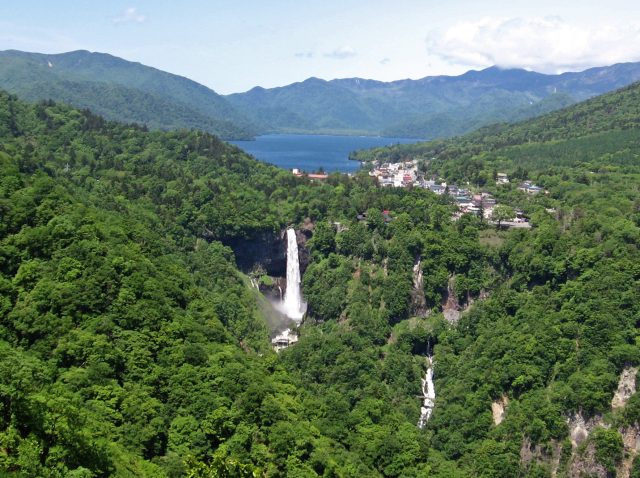
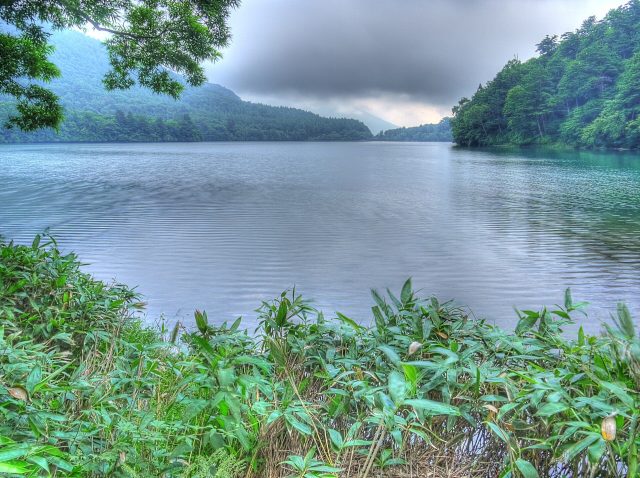
Beyond the temples, Nikko unfolds into a landscape of waterfalls, lakes, and forested trails. The most dramatic is Kegon Falls, where water plunges nearly a hundred meters into a misty gorge. On clear days, the view stretches to Lake Chūzenji, a mirror of blue ringed by volcanic peaks. In summer, the air is cool and fresh, a relief from the heat of the plains, while winter turns the hills into a silent, snow-dusted world. Nearby, Lake Yunoko steams with hot springs, its waters fed by underground geothermal vents. There’s a sense of wildness here, a reminder that this land was shaped by forces far older than the shrines or the town itself. You can hike for hours without seeing another soul, the only company the rustle of leaves and the occasional cry of a bird.
Despite its quiet reputation, Nikko isn’t stuck in the past. The town center has a handful of cozy cafés where you can sip matcha and try *yuba*—a local delicacy made from tofu skin—while browsing small shops selling hand-carved wooden goods and jars of pickled mountain vegetables. In spring, cherry blossoms line the streets, and in autumn, the town hosts a festival celebrating the fiery hues of the maples, with lanterns, music, and the scent of grilled skewers filling the air. Unlike Kyoto, where crowds can feel overwhelming, or Tokyo, where everything moves at a sprint, Nikko has a way of slowing you down. It’s a place where you can wander without a plan, where the rhythm of the day is set by the sun and the sound of the river.
Many visitors come for just a day, but those who stay longer discover something deeper. You might spend an afternoon hiking to a hidden waterfall, or checking into a *ryokan* where the only view from your window is the forest stretching into the distance. There’s no need to rush—Nikko has a way of making you pause, whether it’s to watch the light change over the mountains at dusk or to sit by the river with a cup of tea, listening to the water. It’s the kind of place that lingers in your memory long after you’ve left, not because of any single sight, but because of the way it makes you feel. Here, the past isn’t something to be observed from a distance; it’s alive in the wind, the trees, and the quiet spaces between. And that, perhaps, is why people keep coming back.
See & Do
All of them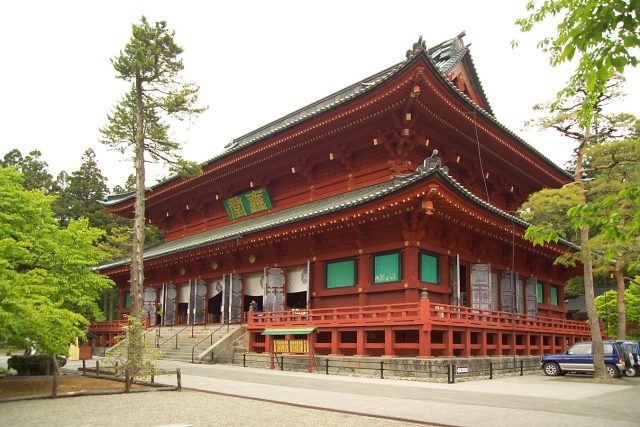
Places on the map
Marker colour follows the categoryClimate and weather
Detailed weather: Nikkō- Average temperature
- 15 °C
- Precipitation per year
- 1612 mm
Average air temperature
°C
3
5
9
14
18
22
26
27
23
17
11
5
Jan
Feb
Mar
Apr
May
Jun
Jul
Aug
Sep
Oct
Nov
Dec


