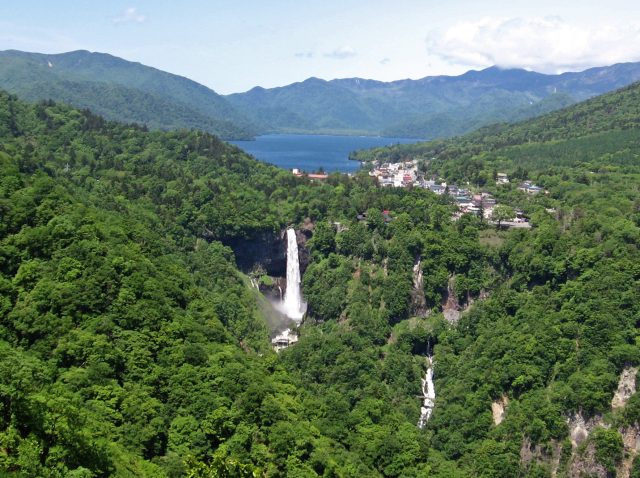
Nestled in the misty mountains of Nikko, where ancient cedars stand like silent guardians over the land, Futarasan Shrine feels like a place time forgot. Unlike the more famous Toshogu with its dazzling gold leaf and intricate carvings, this shrine carries a quieter, deeper presence—one that speaks of Japan’s spiritual connection to nature rather than its love of spectacle. The air here is cooler, the paths less trodden, and the sense of history more intimate, as if the very trees remember the footsteps of pilgrims who have walked these grounds for over a thousand years.
Futarasan was founded in the 8th century by the Buddhist monk Shodo Shonin, the same figure who first brought Buddhism to Nikko and established the earliest temples on Mount Nantai. The shrine is dedicated to the three sacred mountains of the region—Nantai, Nyoho, and Taro—each believed to be the dwelling place of *kami*, the Shinto deities. Long before the first structures were built, these peaks were already revered as spiritual landmarks, drawing those who sought solace in their rugged beauty. The name Futarasan itself hints at this ancient reverence, derived from *futara* (meaning "two peaks") and *san* ("mountain"), though the shrine honors three. Some say the original name referred only to Nantai and Nyoho, with Taro added later as the significance of the third peak grew.
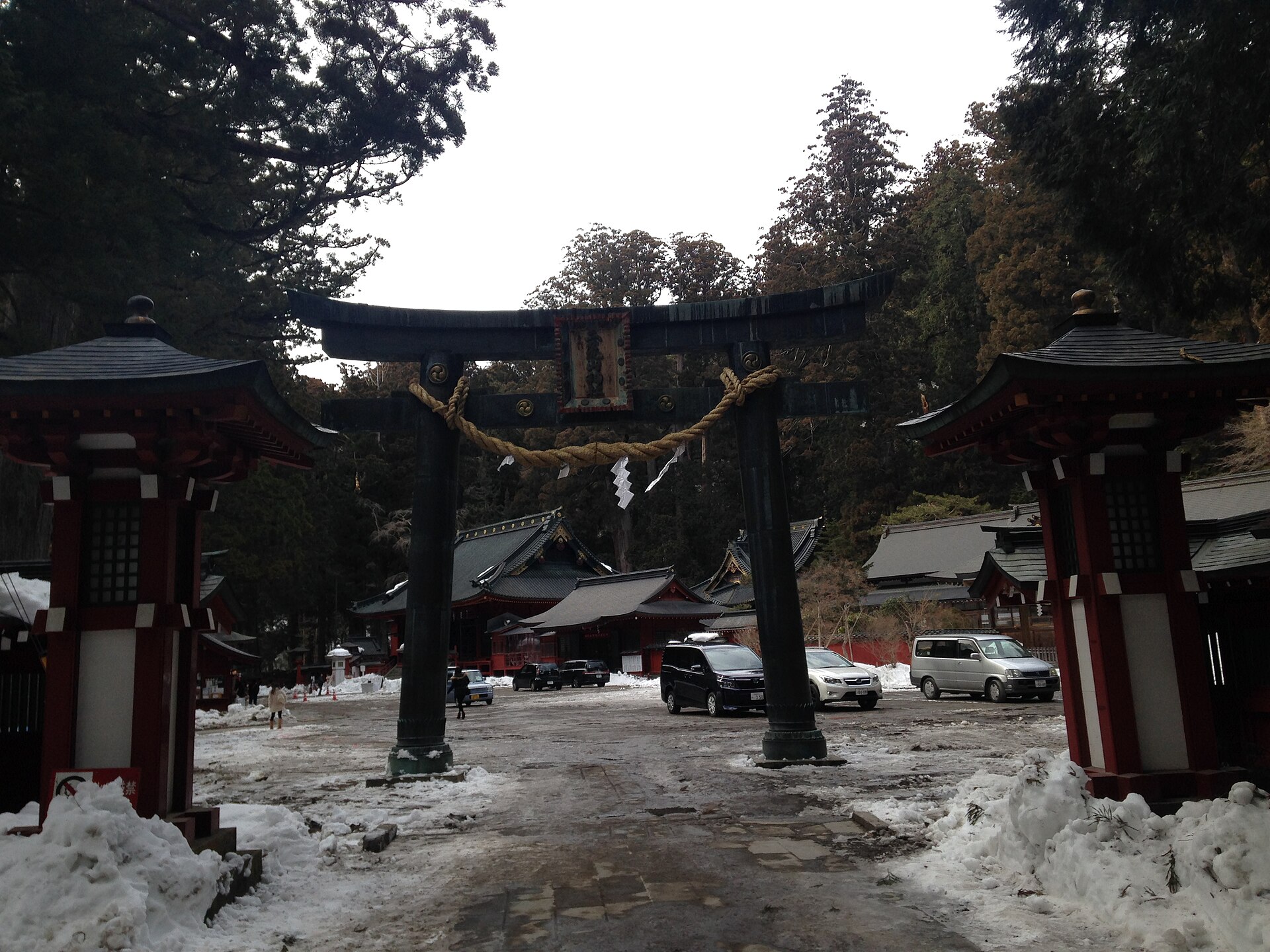
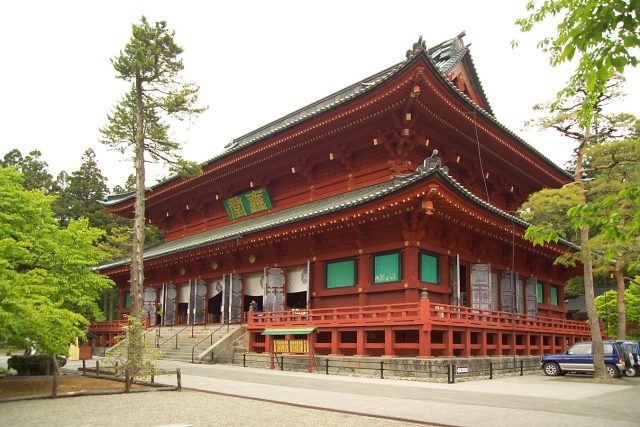
The architecture of Futarasan is unassuming, almost austere, in contrast to the lavishness of Toshogu. There are no gilded details or elaborate woodwork here—just raw stone and weathered timber, as if the buildings emerged naturally from the earth. The main torii gate, made of rough-hewn wood and unpolished stone, stands as a threshold between the ordinary world and the sacred. Beyond it, a flight of stone steps leads upward, flanked by towering cedars whose roots twist into the soil like ancient veins. The wooden pavilions, with their cypress bark roofs, blend seamlessly into the forest, their moss-covered walls whispering of centuries past.
At the heart of the shrine complex lies the Honden, the main hall, where sacred relics are kept. Nearby, a small pavilion shelters a well whose water is said to have healing properties. According to legend, this is where Shodo Shonin first purified himself before beginning his work in Nikko. The water is clear and icy, even on the warmest days, and many visitors fill bottles to take home. Beside the well stands a colossal cedar, its trunk so wide that it would take several people linking hands to encircle it. The tree is over a thousand years old, a living witness to the shrine’s history, its bark grooved with time.
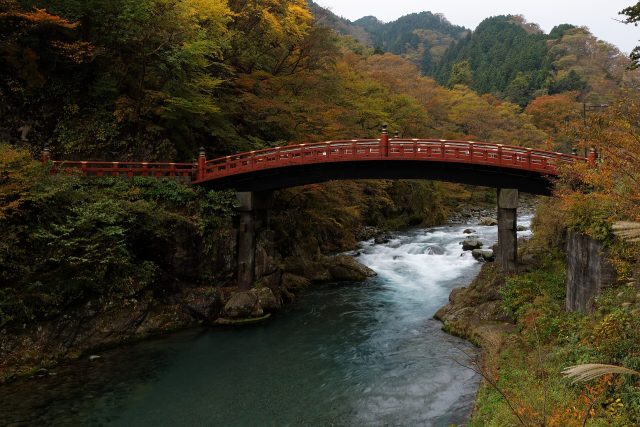
One of Futarasan’s most striking features is the Shinkyo Bridge, or Sacred Bridge, which arches over the Daiya River. Painted a vivid vermilion, its graceful curves seem plucked from an old woodblock print. Historically, the bridge was reserved for priests and imperial messengers, a path between the mortal and divine. Today, anyone can cross it for a small fee, though the sense of stepping into another world remains. From the bridge, the view unfolds like a painting—mist curling over the river, mountains rising in the distance, and the forest stretching endlessly in every direction.
Futarasan is deeply tied to the rhythms of nature, and its rituals reflect this connection. In spring, the Yaoyo Matsuri festival marks the melting of the snow with prayers for a bountiful harvest. Autumn brings a different kind of pilgrimage, as visitors flock to see the maples blaze in crimson and gold, their leaves carpeting the shrine grounds. Winter, though quieter, has its own magic—the snow muffles sound, and the bare branches of the cedars create intricate patterns against the sky. Even in these colder months, the shrine feels alive, its spirits undisturbed by the changing seasons.
What sets Futarasan apart from other sites in Nikko is its sense of stillness. There are no crowds here, no vendors hawking trinkets, no rush to see and be seen. Instead, there’s the rustle of leaves underfoot, the murmur of the river, the occasional call of a bird. It’s a place where you can wander without a map, letting curiosity guide you down narrow paths that lead to hidden shrines or secluded clearings. The locals know this well—Futarasan isn’t a tourist attraction so much as a sanctuary, a place to pause and listen.
A visit to Futarasan is less about ticking off landmarks and more about experiencing a way of seeing the world. Here, nature isn’t just a backdrop; it’s an active participant in the sacred. The mountains breathe, the trees watch, and the water carries stories older than memory. It’s a reminder of why, in Japan, a rock or a stream can be as revered as a temple. Futarasan isn’t a museum—it’s a living dialogue between the past and present, one that invites you to step in and listen. If you’re quiet enough, you might just hear what it has to say.