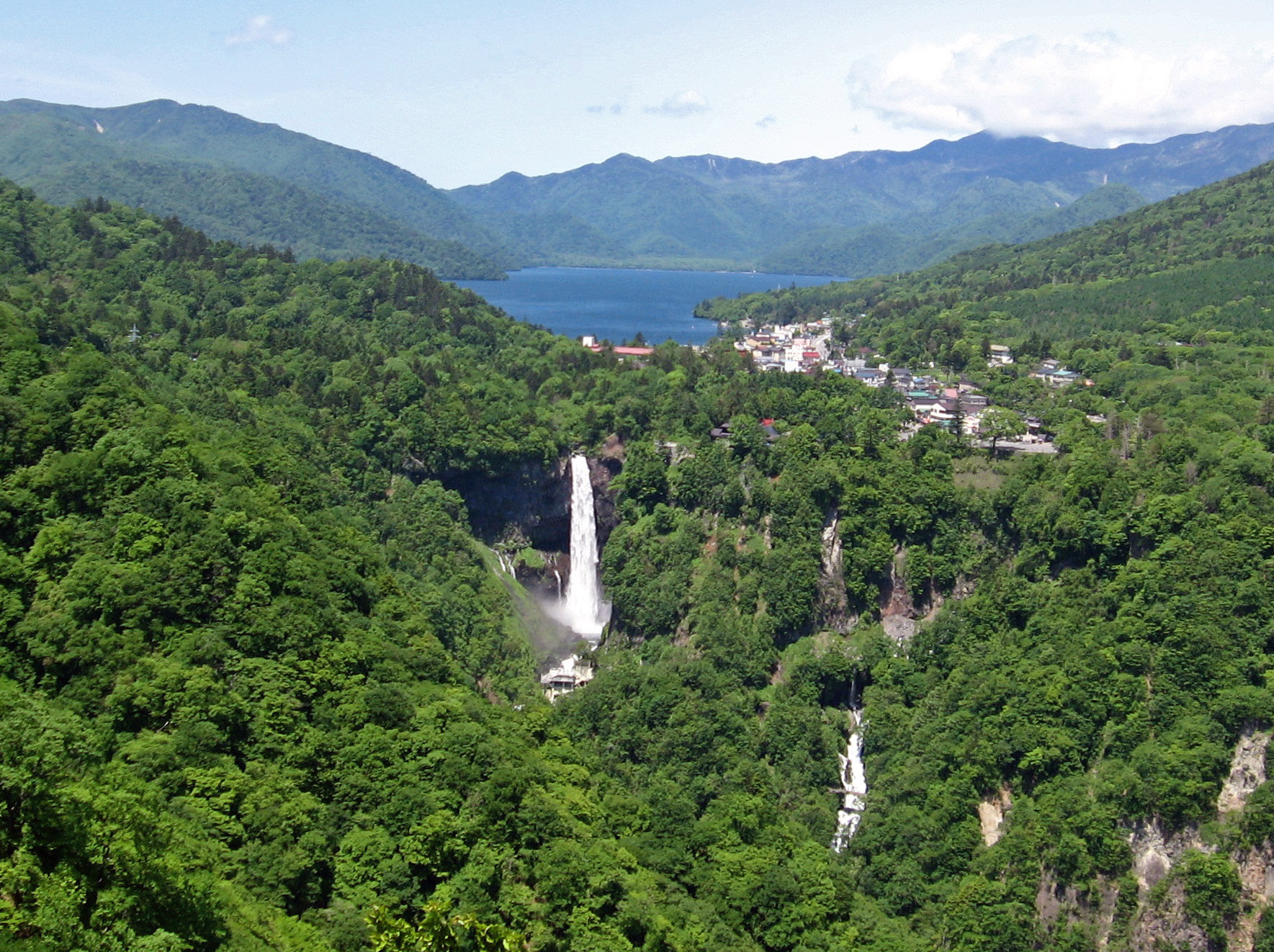
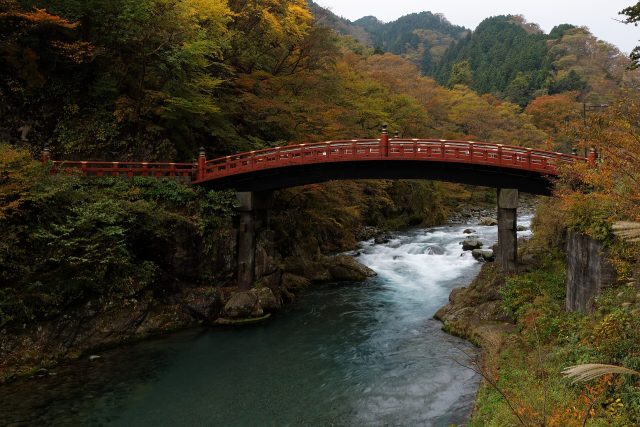
Kegon Falls is one of those rare places where nature doesn’t just speak—it commands attention. Tucked within Nikko National Park, where dense forests cling to steep ravines, the waterfall plunges nearly a hundred meters in a single, unbroken rush. The force of it is immediate, drowning out the wind and the rustle of leaves, leaving only the raw sound of water carving its way through stone. There’s no grand introduction, no need for one. The moment you stand near its base, the weight of centuries presses in—not as history, but as something far older, something that existed long before people gave it a name.
The falls have always been part of Nikko’s story, though not in the way temples or shrines are. Long before the Tokugawa shogunate turned this region into a spiritual hub, the land itself was revered. Kegon was never built or designed; it simply *is*, a natural monument that demanded respect. Pilgrims and travelers in the Edo period would pause here on their way to the mausoleums, drawn by the same quiet power that still lingers today. Even now, with visitors coming and going, the place retains a sense of stillness, as if the water’s rhythm has a way of slowing time.
There’s little in the way of human intervention around Kegon—just enough to make the experience feel safe without intruding. The main viewing platform is a modest wooden structure, its railings and walkways built in the understated style of traditional Japanese craftsmanship. They don’t compete with the landscape; they simply frame it, offering a place to stand and watch without distraction. In winter, when the spray freezes into jagged ice formations, the platform becomes a different kind of stage, one where the falls transform into something almost sculptural. The ice doesn’t soften the water’s power—it only makes it stranger, more fragile.
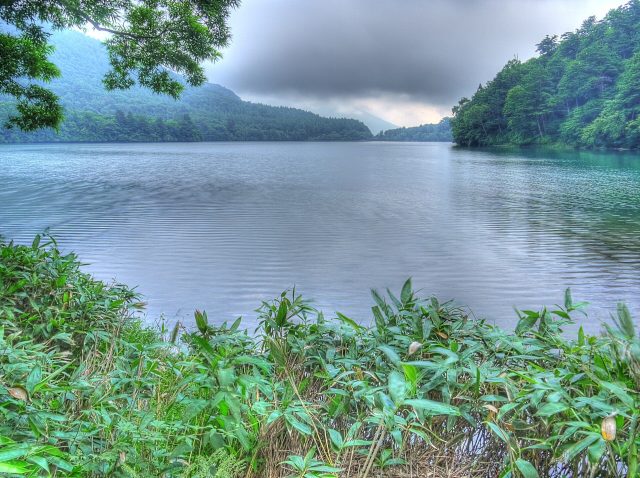
The water feeding Kegon comes from Lake Chuzenji, a high-altitude lake cradled by mountains. The lake itself is worth the journey, its surface so still it mirrors the sky and the surrounding peaks. From there, the water funnels through a narrow gorge, gathering speed before finally spilling over the edge in a single, relentless curtain. The falls change with the seasons—full and roaring in spring when the snow melts, framed by fiery autumn foliage later in the year. Even the weather plays a role: mist can soften its edges, while sunlight turns the spray into fleeting rainbows.
Reaching the falls is straightforward, but the approach is part of the experience. A short walk from the parking area or bus stop winds through the forest, the path lined with trees that filter the light. The sound of the water grows louder with each step, until the air itself feels heavier, charged with moisture. There are signs along the way, offering snippets of history and geology, but most people barely glance at them. The real draw is the anticipation—the way the noise builds, the way the cool dampness seeps into your skin before the falls finally come into view.
Kegon isn’t the only waterfall in Nikko, but it’s the one that lingers in memory. Unlike the manicured gardens or the ornate temple gates nearby, it doesn’t ask for interpretation. There’s no symbolism to decode, no prescribed way to appreciate it. It exists on its own terms, a reminder that nature doesn’t need human meaning to be magnificent. That might be why people keep returning—not just to see it, but to stand in its presence, to feel the way it dwarfs everything else.
The time of day changes the falls in subtle ways. In the early morning, when the light is still soft, the water seems to dissolve into the mist, its edges blurred like a watercolor. By midday, the sun catches the spray, turning it into a shimmering veil. As evening falls and the crowds thin, the sound shifts too—less thunderous, more insistent, as if the water is telling a story that never quite ends. It’s in these quiet moments that the falls feel most alive, not as a spectacle, but as something elemental.
There’s no script for visiting Kegon. No need to rush, no pressure to capture the perfect photo. The only requirement is to stand and watch, to let the water’s motion pull your thoughts away. Maybe that’s why people come back. In a world where everything is temporary, the falls remain constant—a reminder that some things don’t need to be explained, only witnessed.