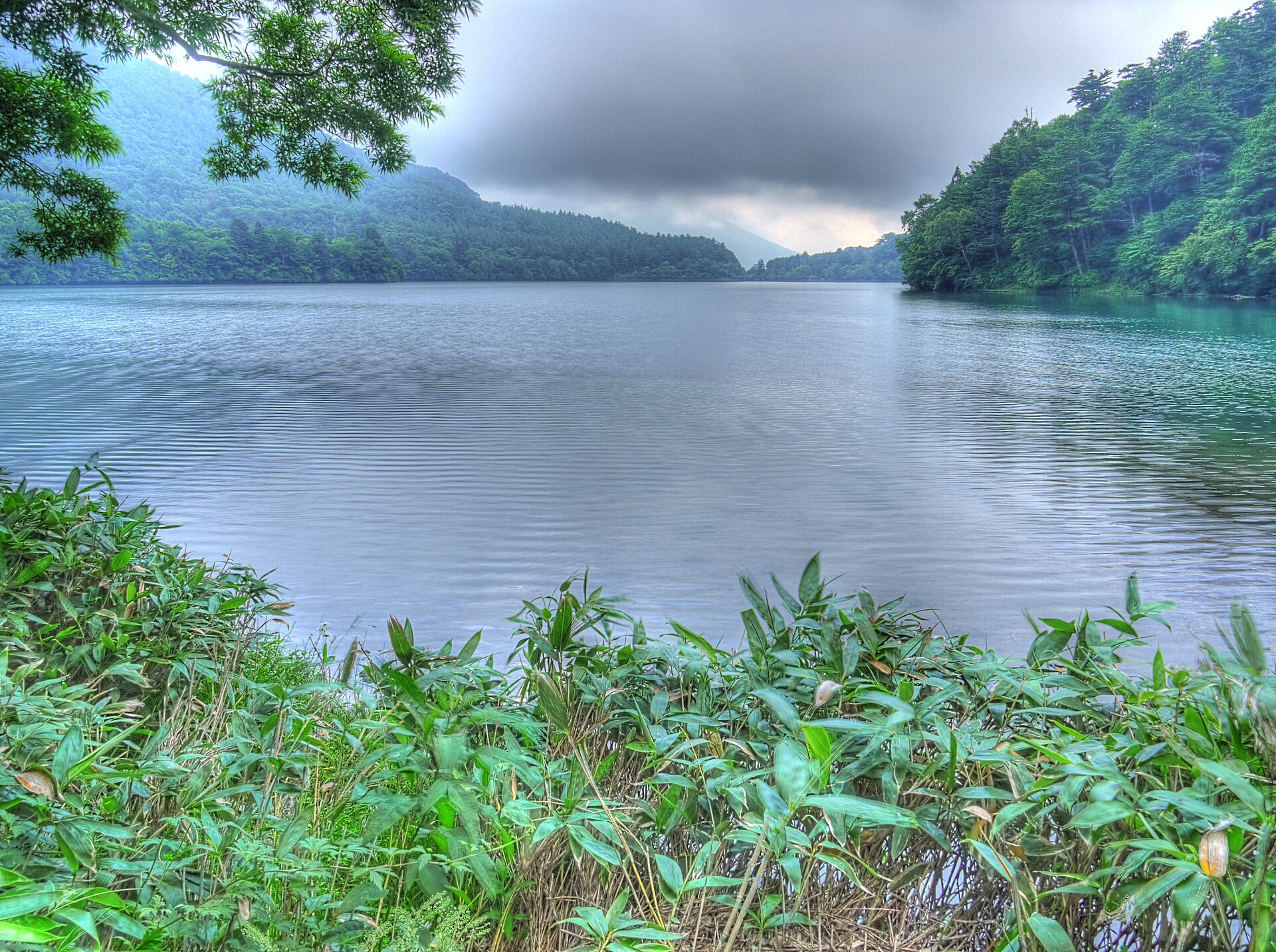
Lake Chūzenji sits in the mountains of Nikkō, where the air stays cool even in summer. At over a thousand meters above sea level, it’s one of Japan’s highest lakes. Its waters shift between shades of blue as the light changes.
The lake formed more than twenty thousand years ago when Mount Nantai erupted, damming the Daiya River. Today, it lies within a national park, surrounded by trails that pass waterfalls, hot springs, and viewpoints of the peaks.
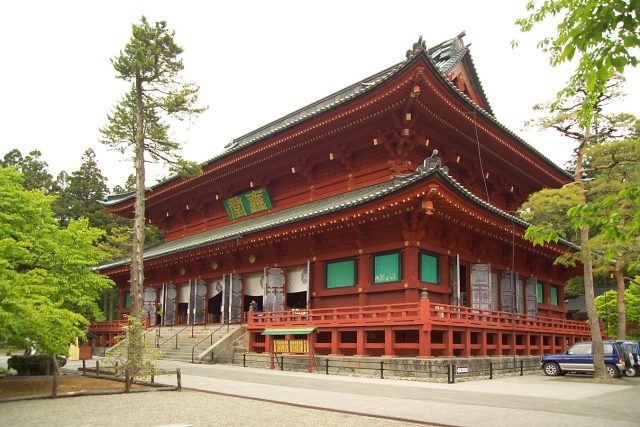
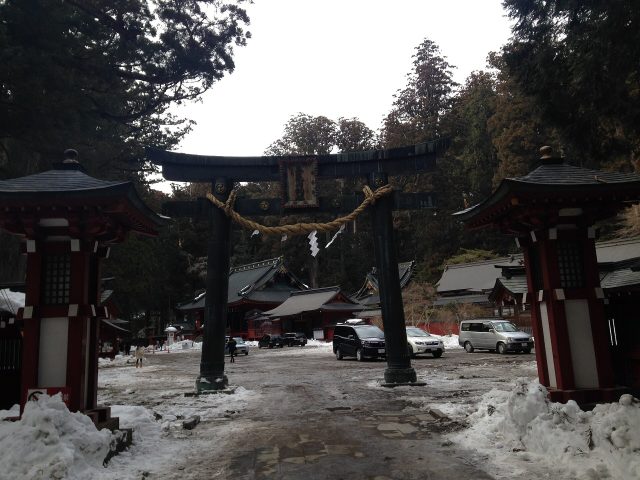
For centuries, this place has been sacred. Pilgrims and locals have revered the lake and its surroundings, where shrines and temples blend Shinto and Buddhist traditions. Chūzen-ji Temple, founded in the eighth century by the monk Shōdō Shōnin, stands out. He meditated by the water and is said to have glimpsed the reflection of the bodhisattva Kannon in its surface. The temple’s main gate and stone lanterns date back to the Edo period.
The architecture here is understated. Wooden temples and teahouses blend with the landscape, their weathered beams and stone steps looking as if they’ve always been part of the forest. In summer, moss and ferns cover the shores. Autumn turns the woods red and gold, mirrored in the water. Winter freezes the lake, its surface smooth, while snow dusts the pine branches and rooftops.
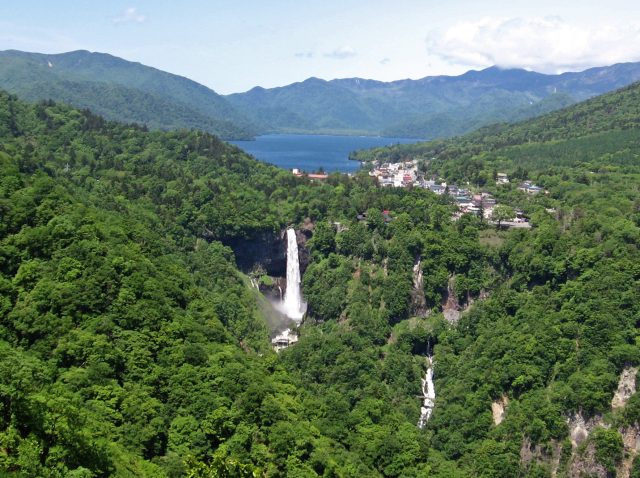
A twenty-five-kilometer trail circles the lake. It passes through forests, past waterfalls, and through villages where time moves slowly. Viewpoints and rustic restaurants offer places to rest. Kegon Falls is one of the most striking sights—water plunges nearly a hundred meters into the gorge below. The falls are dramatic in spring, when melting snow swells the river, and in autumn, when the water turns steely.
Lake Chūzenji feels removed from crowds. There are no tour groups, no loudspeakers. In spring and autumn, photographers come for the light on the water or the foliage, but quiet corners are easy to find. Summer warms the water enough for a swim, though most prefer the shade or nearby onsen. The lake’s remoteness makes it feel like a secret.
The villages around the lake still carry the rhythm of old Japan. Some families descend from those who served pilgrims and merchants. Their homes—wooden frames, thatched roofs—have changed little. Small shops sell handmade ceramics, textiles, and wooden crafts. Festivals in villages like Okunikkō honor the gods of the mountains and waters with dances and offerings.
The past isn’t preserved here. It’s alive, woven into daily life.
What makes Lake Chūzenji special isn’t grand monuments or scenery. The lake, the temples, the forests exist without pretense. You can sit by the water, watch the light shift, and listen to the quiet. Time moves differently here, slipping past like the river that carved this place.