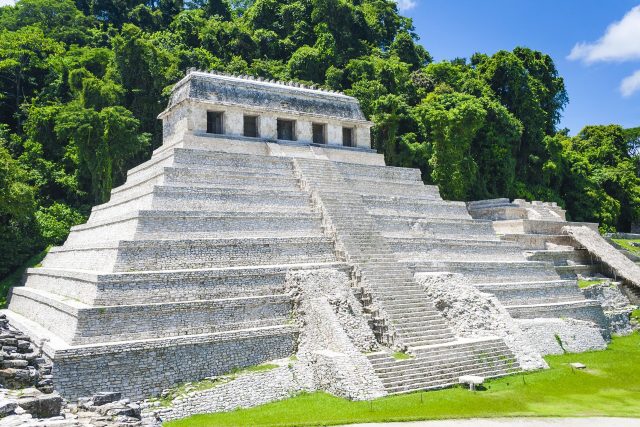
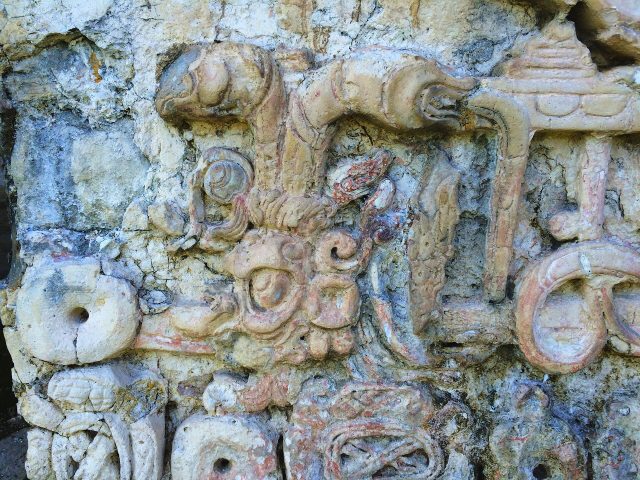
Palenque is best known for its ancient Maya ruins, those towering pyramids swallowed by the jungle of Chiapas. But beyond the stone temples and carved glyphs, there’s another kind of magic waiting—one that doesn’t require deciphering history, just stepping into the rhythm of the land. Misol-Há is where the jungle remembers its own power, where water carves its path through rock and time, and where the air hums with something older than any civilization.
The waterfall isn’t grand in the way some travelers expect. It doesn’t thunder from a cliffside or plunge hundreds of feet into a misty abyss. Instead, it falls with quiet insistence, about twenty meters into a shallow pool where the water swirls in shades of blue and green. During the rainy season, the cascade roars, sending spray so far that even standing at a distance leaves you damp. In drier months, the flow softens, revealing smooth stones beneath the surface, their edges blurred by moss and algae. The water is so clear it feels alive, and if you’re patient, you might spot a fish darting between the shadows—or at least the butterflies that drift just above the surface, their wings catching the light.
Misol-Há isn’t just a single drop of water; it’s part of a network of streams that weave through the jungle, feeding the land before eventually joining the Usumacinta River, one of the region’s great waterways. The area around the falls feels like a world apart, dense with towering trees, vines that dangle like ropes, and ferns that unfurl in the damp air. Even on the hottest days, the shade here is cool, the air thick with the scent of wet earth and green growth. If you follow the trail upstream, you’ll find smaller cascades and natural pools where the water gathers in hollows worn smooth by centuries of flow. It’s easy to imagine this place as it must have been long before roads or tourists—just water, stone, and the slow, patient work of time.
The history of Misol-Há is tangled with the history of Palenque itself. The Maya revered water as sacred, and their cities were often built near rivers and falls, where life and ritual could flourish. While there’s no record of Misol-Há in ancient texts, it’s hard to believe the people who lived here didn’t know its secrets. Later, during the colonial era and the rise of plantations, the river would have been a lifeline for the communities that settled nearby. Today, it remains a place where locals come to escape the heat, to fill their jugs with fresh water, or simply to sit by the falls and listen. For visitors, it’s a rare chance to see Chiapas not as a postcard, but as a living landscape—one where the past and present flow together.
The best time to visit is in the morning, when the light is soft and the water shimmers like liquid glass. The road to Misol-Há winds through the countryside, past houses with palm-thatched roofs and fields of corn or coffee. Along the way, you might see farmers tending their crops or children playing by the roadside. There’s no grand entrance, no ticket booth—just a turnoff where the pavement ends and the dirt path begins. The walk to the falls is short, but the jungle closes in quickly, the sounds of the outside world fading until all you hear is the rush of water ahead.
Unlike many tourist spots, Misol-Há hasn’t been tamed. There are no paved walkways, no handrails, no signs warning you to stay back. The paths are worn into the earth, the rocks slick with moisture, the banks overgrown with grass and wildflowers. It’s beautiful, but it’s also real—meaning you’ll need to watch your step, especially after rain, when the ground turns to mud and the stones become treacherous. That rawness is part of what makes the place special. There’s no illusion of safety here, no curated experience. Just the land as it is, and the quiet thrill of stepping into it.
There are no hotels or restaurants at Misol-Há, but that’s not a loss. Palenque has plenty of places to stay and eat, and the waterfall is an easy addition to a day’s itinerary. Many travelers pair it with a visit to the nearby ruins, where the heat and dust of the archaeological site make the cool plunge into Misol-Há’s pool all the more refreshing. The water is clean, free of chemicals, and feels like it’s been filtered by the jungle itself. Swimming here isn’t just a way to cool off—it’s a way to connect, however briefly, with something deeper than the usual tourist stops.
What Misol-Há offers isn’t an attraction, but an invitation. There’s no entry fee, no guided tour, no scripted story to follow. Just the falls, the river, the trees, and the quiet. In a world where so many places have been turned into spectacles, that simplicity feels almost radical. It’s a reminder that travel isn’t just about seeing—it’s about slowing down, about listening to the sound of water over stone, about feeling the weight of the air and the pull of the current. It’s about remembering that some of the most powerful experiences don’t need explanations, just presence.