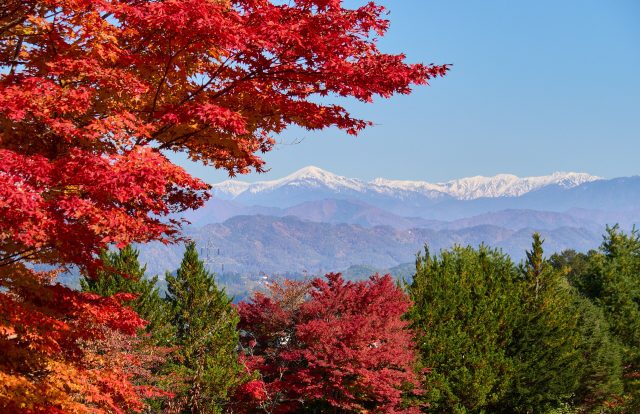
Hie-jinja is one of those quiet corners of Takayama that most travelers overlook, yet it holds the essence of old Japan in its unassuming presence. Perched on a hillside, the shrine offers a view of the town below and the mountains beyond, its understated simplicity setting it apart from the more ornate temples of Kyoto or Nikko. There are no vibrant colors or elaborate decorations here—just the quiet dignity of a place that has remained largely unchanged, a reminder of the days when Takayama was a small mountain settlement moving to its own unhurried rhythm.
The shrine’s origins are shrouded in time, though it is believed to have been established during the Edo period, when Takayama thrived as a center of trade and craftsmanship. Local rulers of the time supported religious and cultural traditions, and Hie-jinja was dedicated to the mountain deity long revered in these parts. In Shinto belief, mountains have always been sacred, seen as the dwelling places of *kami*—spirits that could either bless or challenge those who lived in their shadow. The shrine feels like a natural extension of the landscape, as if it grew from the earth itself rather than being built upon it.
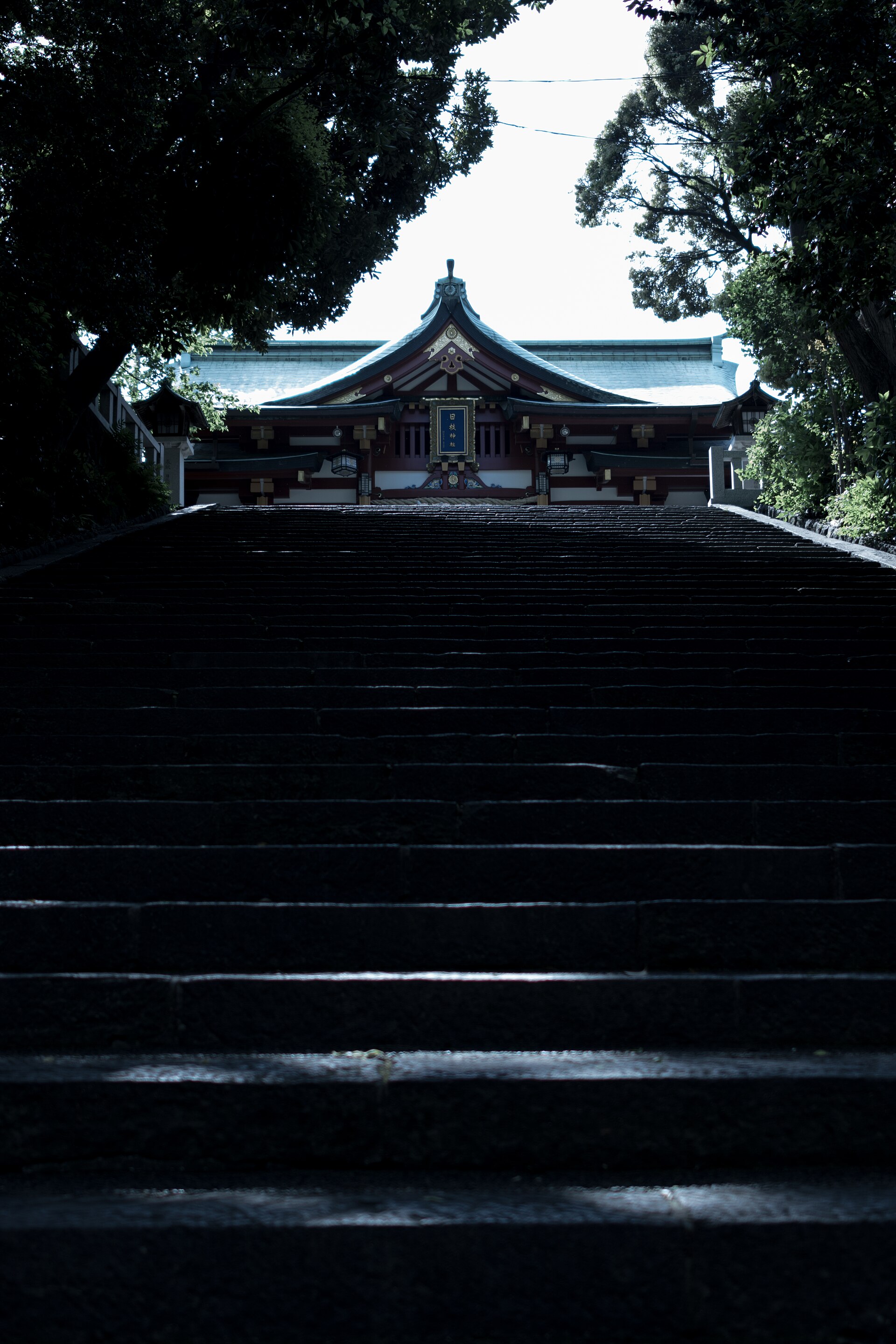
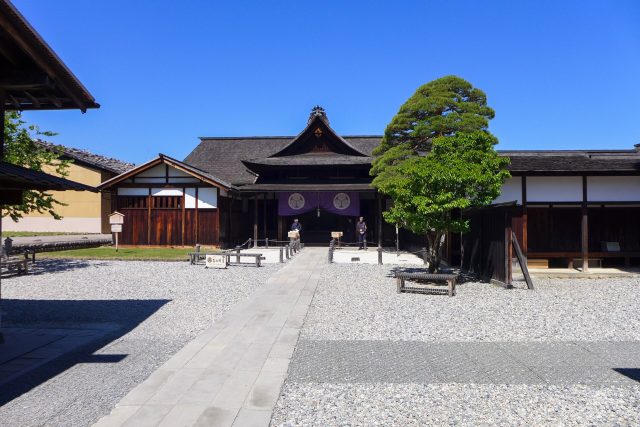
The architecture of Hie-jinja is as restrained as the surrounding nature, reflecting the Japanese aesthetic of functional beauty. The wooden *torii* gate at the base of the hill is modest in size but no less meaningful for it. Beyond the gate, a flight of stone steps leads upward to the main structures, their wooden frames weathered by time but still sturdy. The roofs are thatched with cypress bark, which has taken on a silvery patina over the years, blending seamlessly with the trees and hills. Inside, the dim light filtering through paper screens creates a sense of quiet reverence, the kind that invites contemplation rather than distraction.
Near the main hall lies a small pond, its surface often dotted with lotus leaves that bloom into delicate pink flowers in summer. The water is always clear, and local lore holds that it has healing properties. In the past, people would come to draw water or simply sit by the pond in silence, a tradition that lingers even now, though visitors are few. Surrounding the pond are old maple trees, their leaves turning fiery red and gold in autumn, painting the scene in colors that seem lifted from a woodblock print.
Hie-jinja is deeply woven into the life of Takayama, serving as a gathering place for festivals that, while smaller than Kyoto’s famous celebrations, carry their own quiet significance. The autumn *matsuri* is one such occasion, when locals parade through the streets carrying *mikoshi*—portable shrines adorned with intricate carvings and fabrics. On ordinary days, the shrine remains a place of solitude, where people come to honor ancestors or leave behind *ema*, wooden plaques inscribed with prayers and wishes. These plaques hang in rows, their messages a tangible connection between the human and the divine.
Takayama moves at a slower pace than Tokyo or Osaka, and Hie-jinja embodies that unhurried spirit. There’s no rush here, no need to document every moment or follow a set itinerary. You can sit on one of the wooden benches, listen to the rustle of leaves and the trickle of water over stone, and understand why the Japanese cherish these moments of stillness. The shrine doesn’t demand attention; it simply exists, a quiet harmony of nature, architecture, and faith.
For those who have already visited Japan’s more famous temples, Hie-jinja offers a different perspective on Shinto culture. There are no crowds, no rehearsed tour guides, no souvenir stalls pushing trinkets. Just the scent of wood and moss, the play of light and shadow, and the sense of stepping into a place where time has stood still. It’s the kind of spot that lingers in memory long after you’ve left, drawing some back again and again to recapture that feeling of peace and connection to something older than themselves.
Hie-jinja makes no claims to being the grandest or oldest shrine in Japan. It doesn’t appear on must-see lists, and guidebooks often mention it only in passing. But perhaps that’s its greatest charm. This is a place for those who appreciate the quiet beauty of the overlooked, who know how to slow down and find meaning in the small details. In a world that often equates significance with spectacle, Hie-jinja remains a refuge of authenticity, a reminder that true harmony isn’t always found in grandeur, but in the quiet spaces in between.