Photo: Wpcpey, CC BY 4.0
Takayama Jinya
out of 5 0 ratingsTakayama-jinya is one of those rare places where time seems to pause, offering a quiet glimpse into Japan’s past. Tucked within the old town of Takayama, this complex once served as the administrative heart of the Hida region during the Edo period, when Japan was ruled by the Tokugawa shogunate. Unlike the grand castles or opulent palaces that often dominate historical narratives, Takayama-jinya is a modest yet remarkably well-preserved example of how local governance functioned in a country that had closed itself off from the outside world. Its unassuming presence speaks volumes about the era’s emphasis on order, efficiency, and the quiet authority that held together even the most remote corners of the shogunate’s domain.
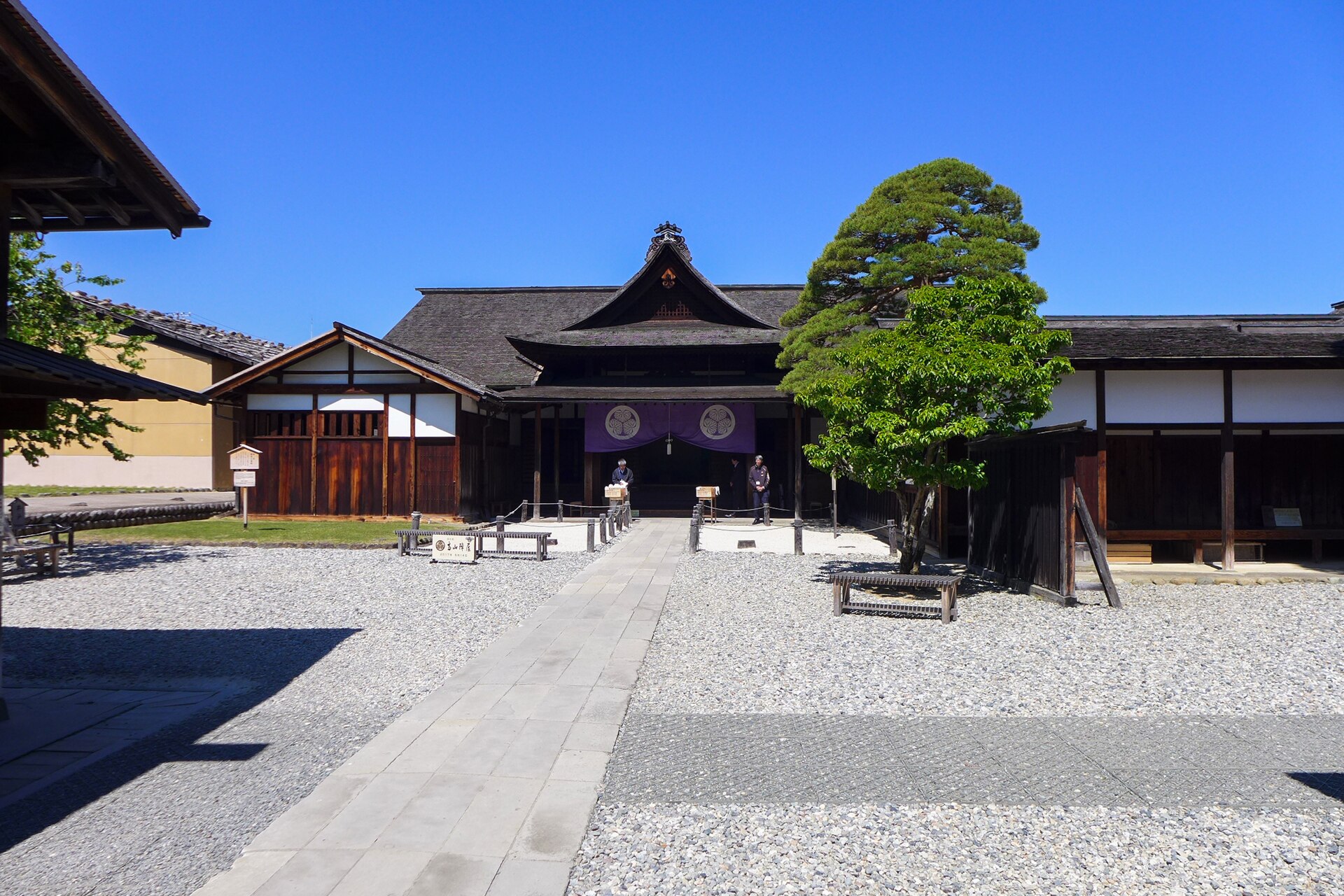
The architecture here is understated, yet every detail reveals careful thought. The wooden buildings, with their low-slung roofs and traditional tiled eaves, blend seamlessly into the surrounding streets, as if they’ve always been part of the landscape. The main structure, where officials once worked and records were kept, follows the practical design of Edo-period government buildings—no ornate carvings or elaborate facades, just sturdy construction meant to last. Inside, the wide corridors and sliding shoji doors create a sense of openness, while the polished wooden floors bear the silent weight of history. It’s easy to imagine the footsteps of samurai, tax collectors, and clerks echoing through these halls, each playing their role in the machinery of the shogunate.
One of the most intriguing parts of the complex is the storehouse, where rice and other goods collected as taxes were once kept. In Edo-period Japan, rice wasn’t just food—it was currency, a measure of wealth and stability. The amount stored here reflected the prosperity of the Hida region, and the system of taxation was both a lifeline and a burden for the local population. Today, the storehouse holds exhibits that explain how this system worked, displaying tools, documents, and everyday objects that paint a vivid picture of life in these mountainous lands. There’s something humbling about standing in a space that once held the livelihoods of countless families, where every grain of rice was accounted for and every transaction recorded in meticulous detail.
Takayama-jinya is deeply tied to the story of the city itself. In the 17th century, the Tokugawa shogunate sought to tighten its grip on Hida, a region known for its rugged terrain and independent spirit. By establishing an administrative center here, the shogunate ensured that even this remote area remained under its control. Takayama grew around the compound, its narrow streets and wooden merchant houses forming a living extension of the jinya’s authority. Walking through the old quarters today, with their stone-paved alleys and preserved storefronts, it’s not hard to imagine the bustle of the past—traders haggling over goods, artisans at work in their workshops, and officials making decisions that shaped the lives of the people around them.
Despite its official purpose, the jinya was never just a place of bureaucracy. It was also a stage for the rituals and gatherings that bound the community together. Ceremonies for the appointment of local officials took place in its halls, as did meetings with representatives from neighboring provinces. The inner courtyard, surrounded by covered walkways, hosted receptions and small festivals, serving as a public space where the formal and the everyday intersected. Today, the courtyard feels serene, almost forgotten, but in its time, it was a hub of activity, witnessing moments that, while not recorded in grand histories, were no less significant to those who lived them.
Takayama-jinya has survived not only the passage of time but also the upheavals of Japan’s modernization. After the Meiji Restoration, when the country opened to the world and embraced rapid change, many Edo-period structures were demolished or repurposed. Yet this complex endured, though its role shifted over the years. By the 20th century, it was recognized as an important cultural landmark, and today it stands as a museum, offering visitors a chance to step into the past. What makes it special is that it hasn’t been turned into a sterile exhibit. The wood still creaks underfoot, the air carries the scent of aged timber, and in the early morning light, when the crowds are thin, it’s possible to feel the weight of history pressing gently against the present.
For those curious about how the Tokugawa shogunate maintained control over such a vast and diverse country, Takayama-jinya provides a rare window into the workings of local administration. There are no towering fortresses or lavish estates here, just the quiet efficiency of a system that relied on order and routine. The exhibits inside include reconstructed offices where officials once worked, complete with desks, ledgers, and the tools of their trade. It’s a reminder that history isn’t just made by warriors and rulers—it’s also shaped by the clerks, tax collectors, and bureaucrats who kept the wheels turning, often in the shadows.
The jinya also offers a glimpse into the Edo period’s broader significance. This was an era of relative peace and isolation, when Japan developed its own unique cultural and social systems without outside influence. Hida, with its mountainous terrain and distinct traditions, was a world unto itself, and the jinya served as a bridge between this remote region and the central government. The exhibits here highlight how different layers of society interacted—how taxes were collected, how disputes were settled, and how the shogunate’s policies played out in the lives of ordinary people. It’s a story of balance, where local customs had to coexist with the demands of a distant authority.
Visiting Takayama-jinya pairs naturally with a stroll through Takayama’s old town. The Sanmachi Suji district, just a short walk away, is a maze of narrow streets lined with wooden merchant houses, many dating back to the 17th and 18th centuries. Some have been turned into museums, offering a peek into the lives of the city’s past residents, while others still function as shops, selling everything from handcrafted lacquerware to locally brewed sake. The atmosphere here is one of quiet continuity, as if the past and present exist side by side. The jinya, with its unassuming presence, anchors this experience, grounding the visitor in the history that shaped the city.
Takayama itself is a place where time moves at a different pace. Unlike the frenetic energy of Tokyo or Osaka, this is a town where traditions still matter, where the rhythms of daily life feel connected to something older. Takayama-jinya embodies that sense of continuity. It doesn’t demand attention or awe—it simply exists, a silent witness to the countless small stories that make up history. For those who take the time to explore it, the jinya offers more than just a lesson in the past. It’s a reminder that history isn’t just about grand events or famous names; it’s also about the quiet, everyday moments that shape the world in ways we often overlook. Standing in its halls, it’s possible to feel a connection to the people who once walked these same floors, their lives now long forgotten but their legacy still very much alive.
Day around this place
Where else to go on the same day
Building the day…
Where it is
36.13969, 137.25762