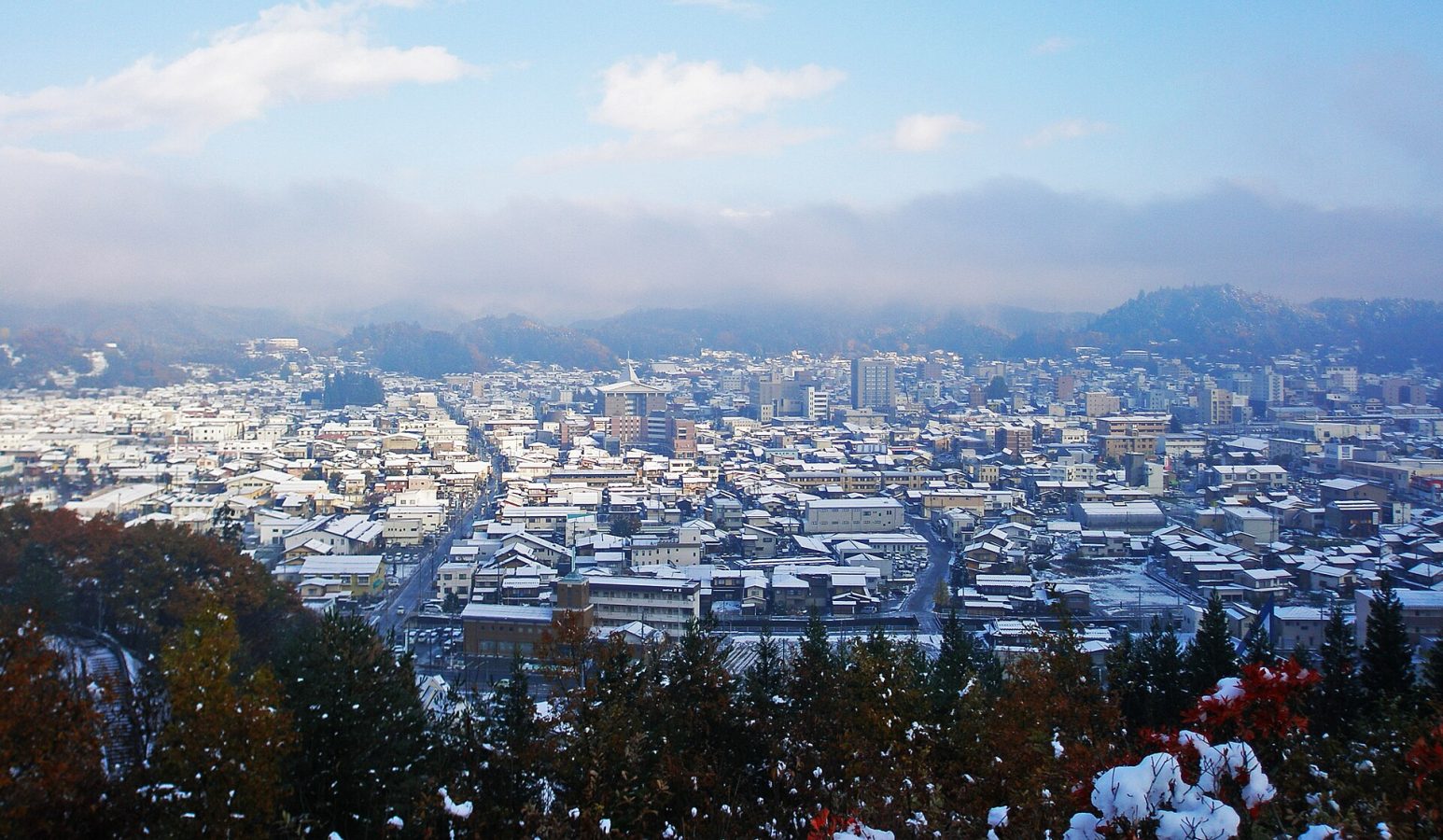
Takayama
Japan · 4 places
Photo: Nickaura (Nick Sevarg), CC BY-SA 3.0
Nestled in a valley surrounded by the forested ridges of Gifu Prefecture, Takayama feels like a place where time has quietly settled into the rhythm of the Miyagawa River. The town unfolds along its banks, its streets lined with wooden houses under tiled roofs, their weathered facades bearing the marks of centuries. The air carries the scent of pine and cool water, and the pace of life here moves with the same unhurried current as the river itself. In the Sanmachi Suji district, the past lingers most vividly—narrow lanes paved with stone, where small shops still sell lacquerware, handmade sweets, and sake brewed the old way. It’s easy to imagine these streets as they were in the Edo period, when merchants and travelers passed through, leaving behind only the faintest traces of their stories.
Twice a year, Takayama transforms into a spectacle of color and sound during its famous festivals. In spring and autumn, the town’s streets become a stage for towering floats adorned with intricate carvings and silk tapestries, pulled through the crowds to the beat of drums and the melody of flutes. These processions are more than just celebrations—they’re a living tradition, a way for the town to honor its craftsmanship and history. The nighttime parades are especially mesmerizing, when lanterns cast a warm glow over the old buildings, and the floats seem to float like ghostly vessels from another era.
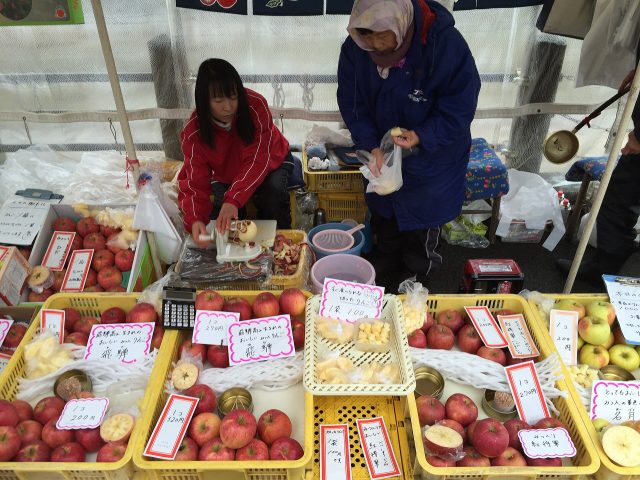
The mountains are never far from Takayama, shaping its character in ways both subtle and profound. The town sits at the edge of Hakusan National Park, where trails wind through forests to waterfalls and hot springs, or climb toward peaks that offer sweeping views of endless green. The local cuisine reflects this connection to the land—dishes like *hitsumabushi*, grilled eel served over rice, or *Takayama ramen* with its rich, hearty broth, are meant to fortify against the chill of mountain air. In the markets, you’ll find dried venison and prized matsutake mushrooms, foraged from the surrounding woods, their flavors as earthy as the landscape itself.
Despite its quiet demeanor, Takayama isn’t a place that feels forgotten. It has its own quiet energy, its own small discoveries waiting around every corner. The Hida Folk Village, an open-air museum of traditional thatched-roof houses, offers a glimpse into the region’s rural past, while workshops still craft *sarugaku* wooden puppets, once given as gifts to children during festivals. In the evenings, sitting by the river in a dimly lit café, it’s not hard to picture the samurai and merchants who once hurried along these same streets, their footsteps long since faded into the cobblestones.
Takayama doesn’t try to impress with grandeur or modern attractions. It exists on its own terms, a place where time moves differently, where every alley and old house holds a piece of history. That’s perhaps why it draws those who seek something beyond the postcard version of Japan—the kind of place where the past isn’t just preserved, but still alive in the creak of wooden floors and the murmur of the river at night.
See & Do
All of them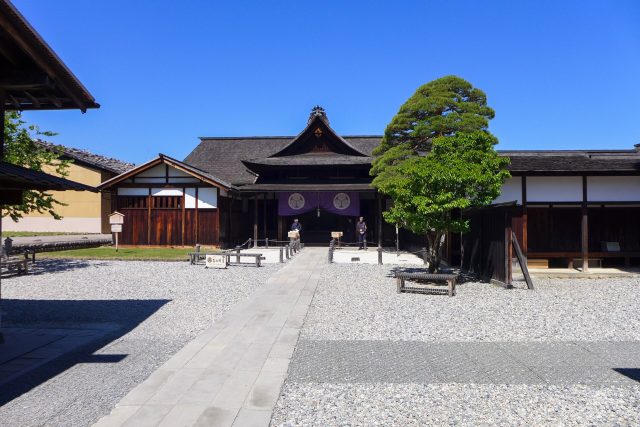
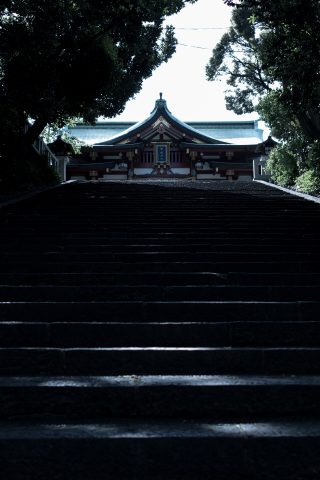
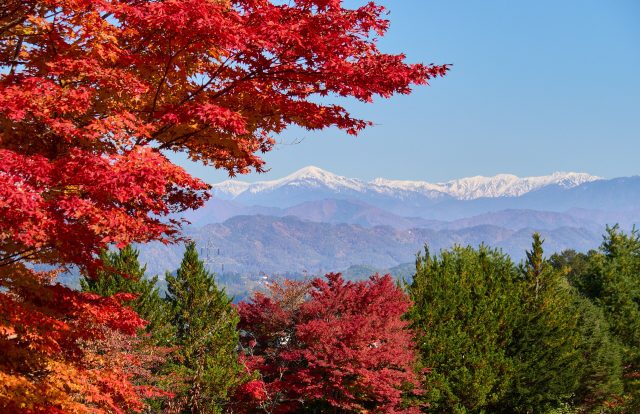
Places on the map
Marker colour follows the categoryClimate and weather
Detailed weather: Takayama- Average temperature
- 12 °C
- Precipitation per year
- 1934 mm
Average air temperature
°C
-1
0
5
11
16
20
24
25
21
14
8
2
Jan
Feb
Mar
Apr
May
Jun
Jul
Aug
Sep
Oct
Nov
Dec


