Takayama’s old quarter feels like a place where time has settled into a slower rhythm. The narrow streets, lined with wooden houses under weathered gray roofs, lead to quiet corners where the past lingers in the air. Among them stands Hida Kokubun-ji, a temple that has watched over the town for centuries, its presence as natural as the mountains that surround it.
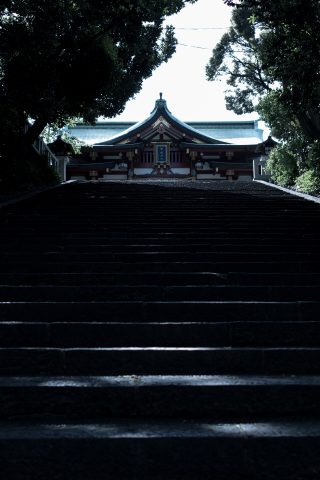
Built during the Nara period, when Emperor Shōmu ordered provincial temples to be established across Japan, Hida Kokubun-ji was once the spiritual heart of the Hida region. It was more than a place of worship—it was where people gathered to pray, reflect, and find solace in a land far removed from the political intrigues of the capital. The temple’s architecture carries the weight of that history, its wooden structures assembled without nails, just as craftsmen did over a thousand years ago. The curved roofs, resembling the wings of a bird in flight, and the intricate carvings on the pillars tell stories of devotion and skill passed down through generations.
The three-story pagoda, one of the oldest in the region, stands as a testament to the temple’s endurance. Inside, ancient statues of Buddhas and bodhisattvas, carved by unknown hands, gaze serenely into the dim light. These figures have witnessed the passage of time, surviving fires, earthquakes, and wars that reshaped the world around them. In an era when Japan was fractured by conflict, Hida Kokubun-ji remained a place of stability. Monks here copied sutras, taught children, and mediated disputes between warring clans, their quiet influence weaving through the fabric of local life.
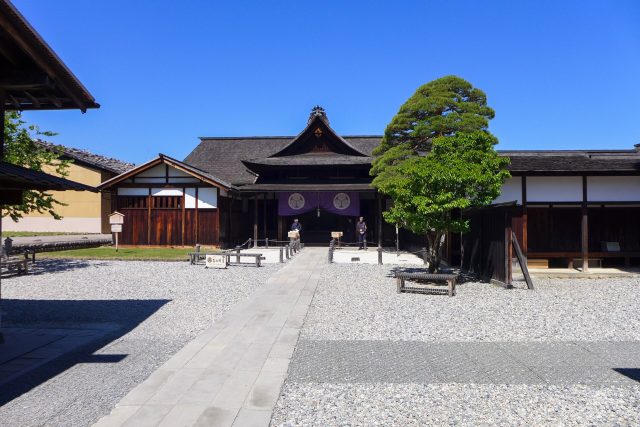
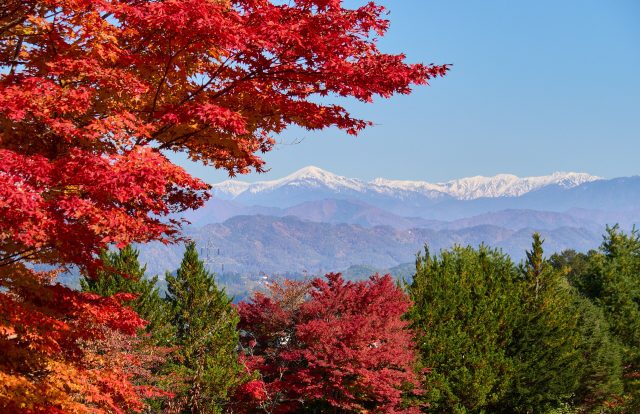
Today, the temple grounds offer a retreat from the noise of modern life. A garden of moss-covered stones and dwarf trees unfolds in careful arrangement, its paths winding past ponds where carp glide beneath the surface. The seasons paint the scene in shifting hues—cherry blossoms in spring, crimson maples in autumn, and a quiet blanket of snow in winter. Locals still come to light incense for their ancestors, to sit in silence, or simply to feel the weight of history in the air.
Visitors are welcome to step inside, where the scent of aged wood and incense lingers. Ancient statues stand in quiet dignity, their expressions unchanged by the centuries. Scrolls of calligraphy, ritual objects, and fragments of wall paintings offer glimpses into the past. The deep, resonant toll of the Edo-period bell echoes through the temple grounds, a sound that seems to carry the weight of time itself.
In summer, the temple comes alive with festivals, where traditional music and dance fill the air. But even on ordinary days, Hida Kokubun-ji retains its quiet charm. There are no crowds here, no rush to capture the perfect photograph. Instead, there is space to wander, to speak in hushed tones, or to simply sit and listen to the wind in the trees.
The temple does not demand attention. It exists as the mountains and rivers do—steadfast, unchanging, yet always present. To visit is to step into a rhythm older than the town itself, where the past is not something to be remembered, but something that still breathes. Some places do not need grand gestures or elaborate explanations. They simply are, and that is enough.