Sanmachi Suji isn’t just a street in Takayama’s old quarter—it’s a place where time seems to have paused somewhere between the Edo and Meiji eras. The narrow, stone-paved lane winds past low wooden houses with steep, gray-tiled roofs, a style built to withstand the heavy snows of Japan’s mountainous regions. Many of these buildings have stood here for over three hundred years, their weathered facades bearing silent witness to the lives of merchants, craftsmen, and samurai who once filled them with activity. During the Edo period, Takayama thrived as a center of trade and sake production, and Sanmachi Suji was its commercial heart. Shops, warehouses, and workshops lined the street, producing everything from wooden utensils to the barrels used to store the region’s famous rice wine.
The street is often called a miniature Kyoto, and the comparison isn’t far off. Like the ancient capital, Sanmachi Suji preserves the atmosphere of a bygone era, but without the crowds or the polished tourist experience. Here, life moves at its own unhurried pace. In the mornings, locals slide open the wooden shutters of their shops, revealing displays of traditional sweets and handcrafted goods. By afternoon, visitors stroll along the cobblestones, pausing to watch artisans at work or to sample freshly grilled mitarashi dango skewers. As evening falls, lanterns cast a warm glow over the facades, their light reflecting off the stone pavement. The air carries the scent of aged wood, fermenting sake, and the faint sweetness of street food. In winter, the scene transforms entirely—snow blankets the rooftops, and the lantern light dances across the drifts, turning the street into something out of an old woodblock print.
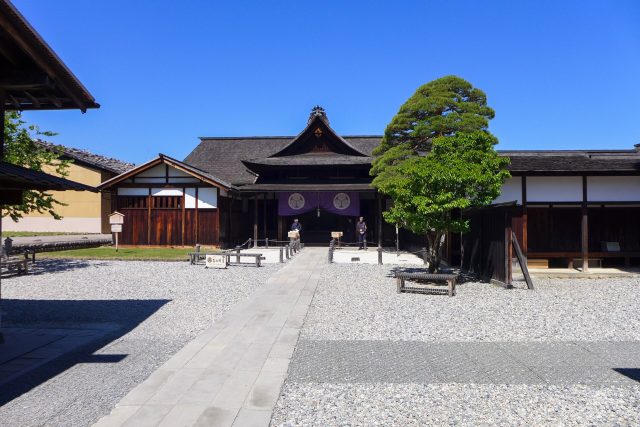
The architecture of Sanmachi Suji tells its own story. The buildings were designed with the region’s harsh winters in mind. The steeply pitched roofs prevent snow from accumulating, while thick wooden beams support the weight of heavy drifts. Many houses feature lattice windows and sliding shoji doors, behind which lie hidden courtyards or workshops. Some structures have a second floor, which was often used for storage or as living quarters for apprentices. Remarkably, a few of these buildings have been in the same families since the 17th century. Though many now house museums or shops, their interiors still feel like a step back in time, with low ceilings, tatami mats, and the occasional creak of old floorboards underfoot.
One of the street’s most distinctive features is its *kura-zukuri* warehouses, recognizable by their sturdy wooden doors and barred windows. Built to protect valuable goods like sake, rice, and silk from fire and theft, these structures were essential to Takayama’s trade. Some have been converted into small museums, offering a glimpse into the past. The Takayama City Historical Museum, for instance, occupies one such warehouse and displays artifacts from the Edo period—wooden sake barrels, antique scales, clay pottery, and tools used by local craftsmen. Walking through its dimly lit rooms, it’s easy to imagine the bustle of merchants haggling over prices or the rhythmic sound of coopers shaping barrels.
Sanmachi Suji isn’t just a place to observe history—it’s a place to experience it. Artisans still work here, using techniques passed down through generations. In one shop, a craftsman might be carving *kokeshi* dolls from a single block of wood, his hands moving with practiced precision. In another, paper is being made by hand in the traditional *washi* style, a craft that once made Takayama famous. Some workshops welcome visitors, and if you’re lucky, you might even get a chance to try your hand at a simple task. You won’t master the craft in an afternoon, but watching a master at work offers a quiet appreciation for the skill and patience these trades demand.
As the sun sets, the street takes on a different character. Lanterns flicker to life, casting long shadows across the cobblestones. The atmosphere becomes more intimate, almost secretive. This is the best time to visit one of the small bars or teahouses tucked into the old buildings. Many serve local sake, some of which is still brewed using traditional methods. Others offer *amazake*, a sweet, fermented rice drink that warms you from the inside out. The interiors of these places feel timeless—low tables, tatami floors, and the soft glow of paper lanterns. Some even serve dishes that have been prepared the same way for centuries, like *hida-kushikatsu*, skewered and fried bites of meat and vegetables that were once a favorite snack among traveling merchants.
What makes Sanmachi Suji special is its authenticity. There are no flashy signs or souvenir shops selling mass-produced trinkets. Instead, the street feels lived-in, as if the past and present coexist without effort. The scent of woodsmoke and sake lingers in the air, and the sound of footsteps on old floorboards is the only interruption to the quiet. Walking here, it’s impossible not to wonder about the countless people who have passed through over the centuries—their stories, their trades, their lives. Takayama itself is a modern city, with its share of cars and concrete, but Sanmachi Suji remains a reminder of its deeper roots. The past isn’t just preserved here; it’s still alive, waiting to be discovered by those who take the time to look.