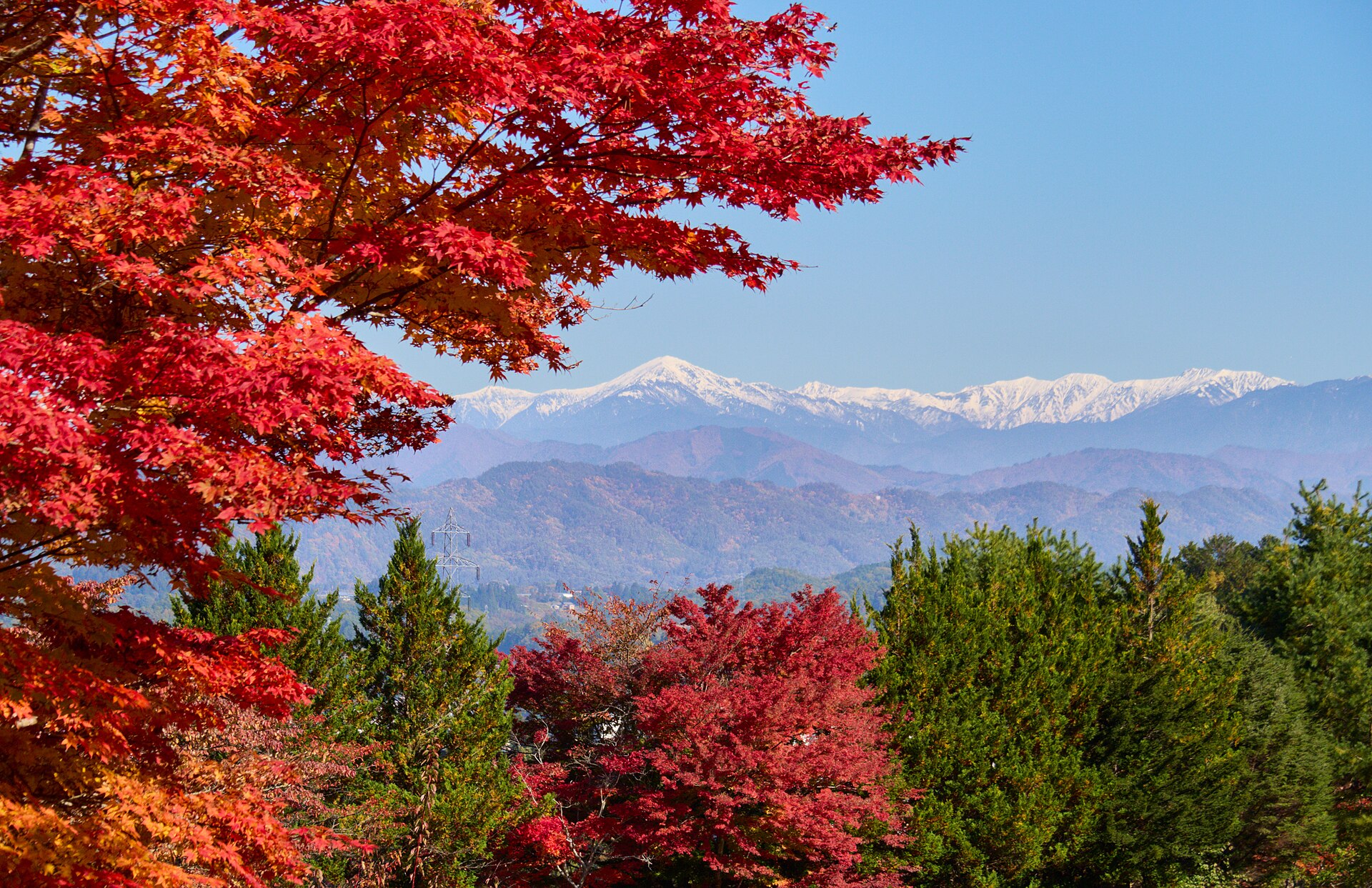
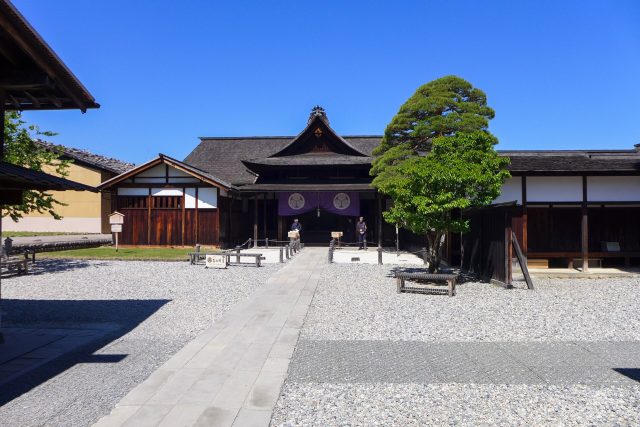
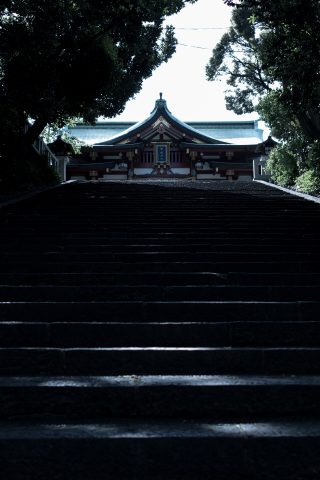
Hida-no-Sato sits in the hills outside Takayama. The museum gathers houses, workshops, and shrines moved here from across Gifu Prefecture. Each building was taken apart, carried, and rebuilt by hand. Now they stand where rice fields once stretched, showing how people lived in the Hida mountains before roads and electricity changed everything.
The carpenters who built these houses used no nails. Wooden joints, cut to fit like puzzle pieces, held the frames together. Roofs were thatched or shingled thick enough to keep out snow and summer heat. Inside, families cooked over sunken hearths called *irori*, slept on straw mats, and slid paper doors to change the shape of a room. The houses were small because space was precious, and every beam had a job.
The *gassho-zukuri* farmhouses are the tallest structures here. Their steep roofs, shaped like praying hands, let snow slide off before it could crush the wood beneath. Some of these houses were built three hundred years ago in villages that no longer exist. In winter, when snow covers the museum, the scene looks like an old woodblock print. In summer, the thick walls keep the rooms cool even when the sun is high.
Workshops still run inside the museum. You can watch a spoon being carved from a block of cherry wood or see a loom weaving cloth with threads dyed indigo. The people who work here aren’t actors—they’re craftsmen who make a living from these skills. Some let visitors try the tools themselves. A blacksmith might show you how to shape a nail; a weaver could guide your hands through the first rows of a pattern.
Festivals bring the museum to life. In autumn, *yama* floats—towering wooden structures covered in carvings—are rolled in from nearby towns. Lanterns light them from within, and drummers play as they’re pulled through the paths. The floats were built for local festivals centuries ago; now they stand here, too heavy to move often, but still part of the rhythm of the year.
The quietest moments are the best. Early morning, before the first bus arrives, you can walk alone between the houses. The paths are narrow, winding past small bridges and moss-covered stones. There’s no schedule, no map telling you where to go next. You might stop at a house with its door left open, peer inside, and see the same hearth, the same wooden bowls, that a family used every day.
This isn’t a place for quick photos. You can step inside a farmer’s house and touch the tools he used to grow rice on steep slopes. You can sit on the floor of a merchant’s shop and handle the lacquered boxes he sold to travelers. The objects aren’t behind glass—they’re just there, waiting to be picked up, turned over, examined.
If you’ve seen Kyoto’s temples and Tokyo’s streets and want to know what Japan was like before them, come here. There are no famous battles or royal palaces in these hills. Instead, there are the things people did every day: planting, building, cooking, mending. The past isn’t grand here. It’s just real, and it’s still standing.