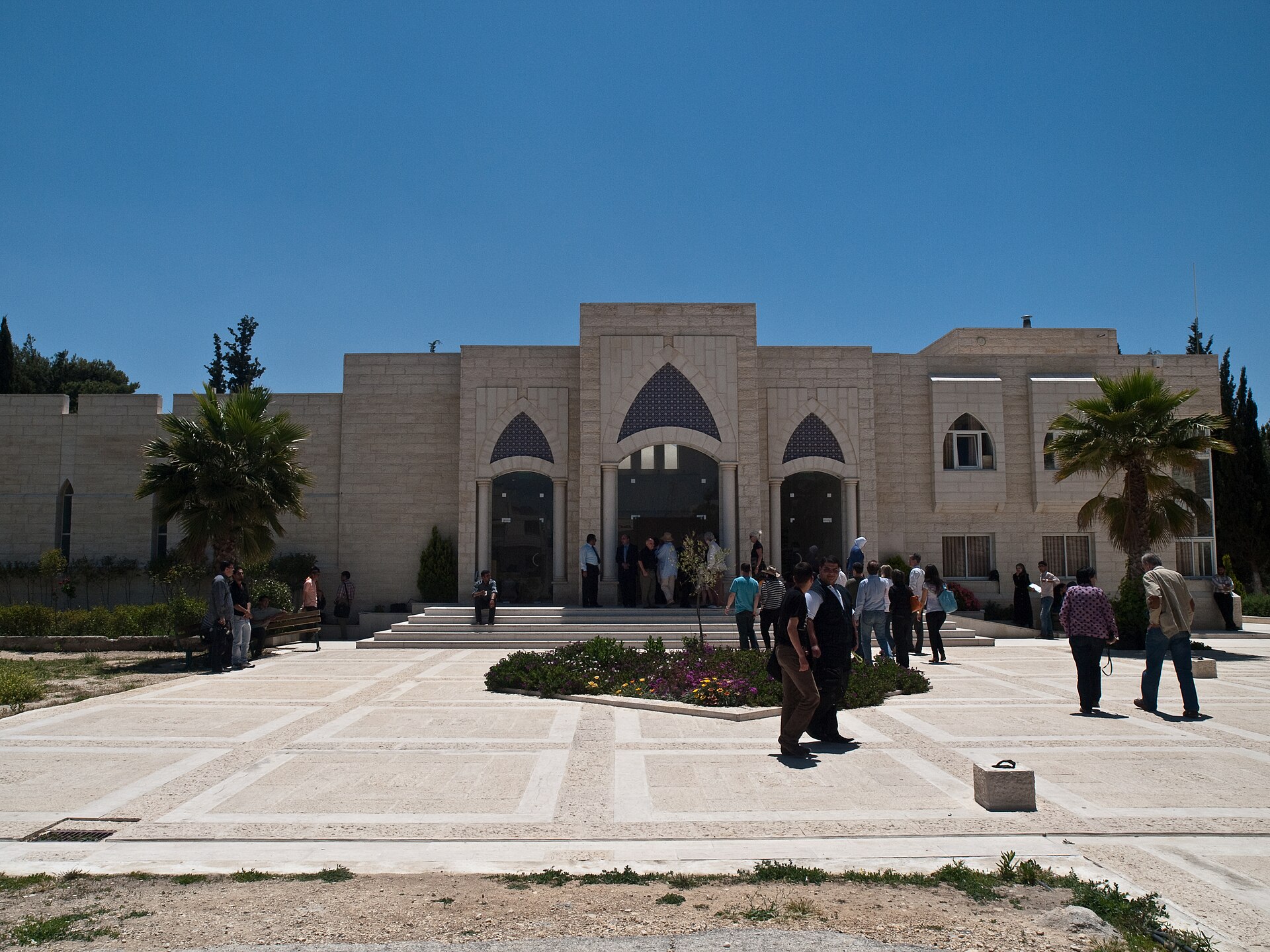
Hebron University sits on the hills overlooking the ancient city, a place where the weight of history and the energy of the present exist side by side. Founded in 1971 as a small community college, it began with a simple but powerful idea: to give young people in the region a chance to learn without leaving home. Over the decades, it has grown into one of Palestine’s most important educational institutions, drawing students from across the West Bank and beyond. The campus itself is unassuming, with buildings that prioritize function over grandeur—spacious lecture halls, quiet libraries, and research labs where students and faculty work on projects that often address the very challenges their community faces.
The architecture here is practical, reflecting the university’s origins as a grassroots effort. There are no grand monuments or ornate facades, just solid structures designed to serve their purpose. Yet the campus has its own quiet beauty, especially in spring when the trees bloom and the scent of nearby orange groves drifts through the air. The lack of pretension makes it feel like a place where real work happens—where ideas are debated, knowledge is shared, and the future is quietly being shaped.
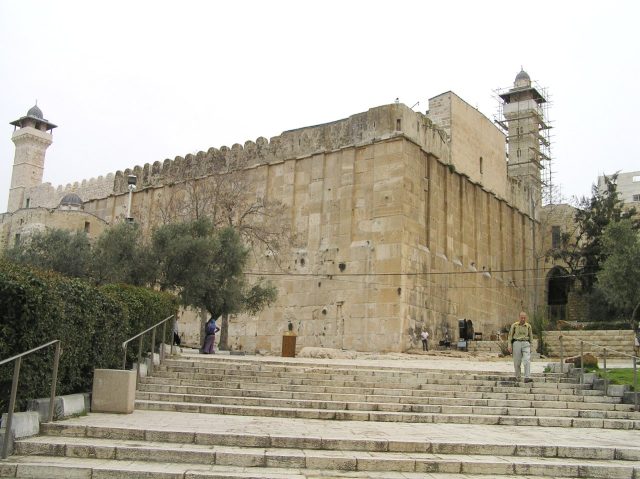
Hebron is one of the oldest continuously inhabited cities in the world, and its history is deeply woven into the university’s identity. The city is mentioned in the Old Testament as the burial place of the patriarchs Abraham, Isaac, and Jacob, and its layers of religious and cultural significance are impossible to ignore. For students and faculty, this context is part of daily life. They navigate the complexities of living in a politically charged environment while focusing on their studies, research, and the pursuit of knowledge. The university doesn’t exist in isolation; it’s a microcosm of the city itself, reflecting its struggles, its resilience, and its enduring hope for the future.
What sets Hebron University apart is its role as a hub of opportunity in a region where access to education is often limited. It offers programs that go beyond traditional academics, addressing the specific needs of Palestinian society—law, political science, agriculture, and medicine, among others. The university has built partnerships with international organizations, bringing in visiting professors and sending students abroad for exchanges. Yet it remains deeply rooted in local culture, supporting traditions and helping preserve a sense of identity in a place where both are constantly under pressure.
The atmosphere on campus is one of determination. Many students come from rural villages or refugee camps, and for them, education is more than a degree—it’s a lifeline. The university provides a space where they can think critically, engage in debate, and connect with others who share their aspirations. Professors, many of whom are alumni themselves, teach with a sense of purpose, knowing that their work has a direct impact on the lives of their students and the broader community. There’s a shared understanding here that education isn’t just about personal advancement; it’s about building something larger.
Despite the challenges of operating in a region with limited resources, the university continues to expand. In recent years, new faculties have opened, research facilities have been upgraded, and modern computer labs have been added. A particular focus has been placed on agriculture and environmental studies, areas that are crucial for a territory with scarce water and arable land. Students and faculty work on projects aimed at sustainable farming, water conservation, and the preservation of local ecosystems. These efforts aren’t just academic exercises; they’re practical solutions to real problems, and they give young researchers a chance to contribute meaningfully to their society.
Hebron University isn’t just a place of learning; it’s a place where the future of Palestine is being shaped. The education students receive here goes beyond textbooks and lectures. They’re taught to think independently, to analyze complex situations, and to find creative solutions to the challenges their community faces. Graduates go on to become doctors, teachers, scientists, and entrepreneurs, but what unites them is the resilience they’ve absorbed from the city itself. They carry with them the lessons of Hebron—its history, its struggles, and its unshakable belief in the possibility of progress.
Visiting the university offers a glimpse into the real pulse of the city. There are no tourist attractions here, just the everyday rhythm of academic life. Students gather on benches to discuss their latest assignments, professors hurry between classes, and librarians help visitors navigate the stacks. It’s a place where the focus is on substance rather than spectacle, where the quiet work of education unfolds against the backdrop of a city that has seen centuries of change. For those who take the time to look, Hebron University reveals itself as more than just a campus—it’s a living part of a story that’s still being written.