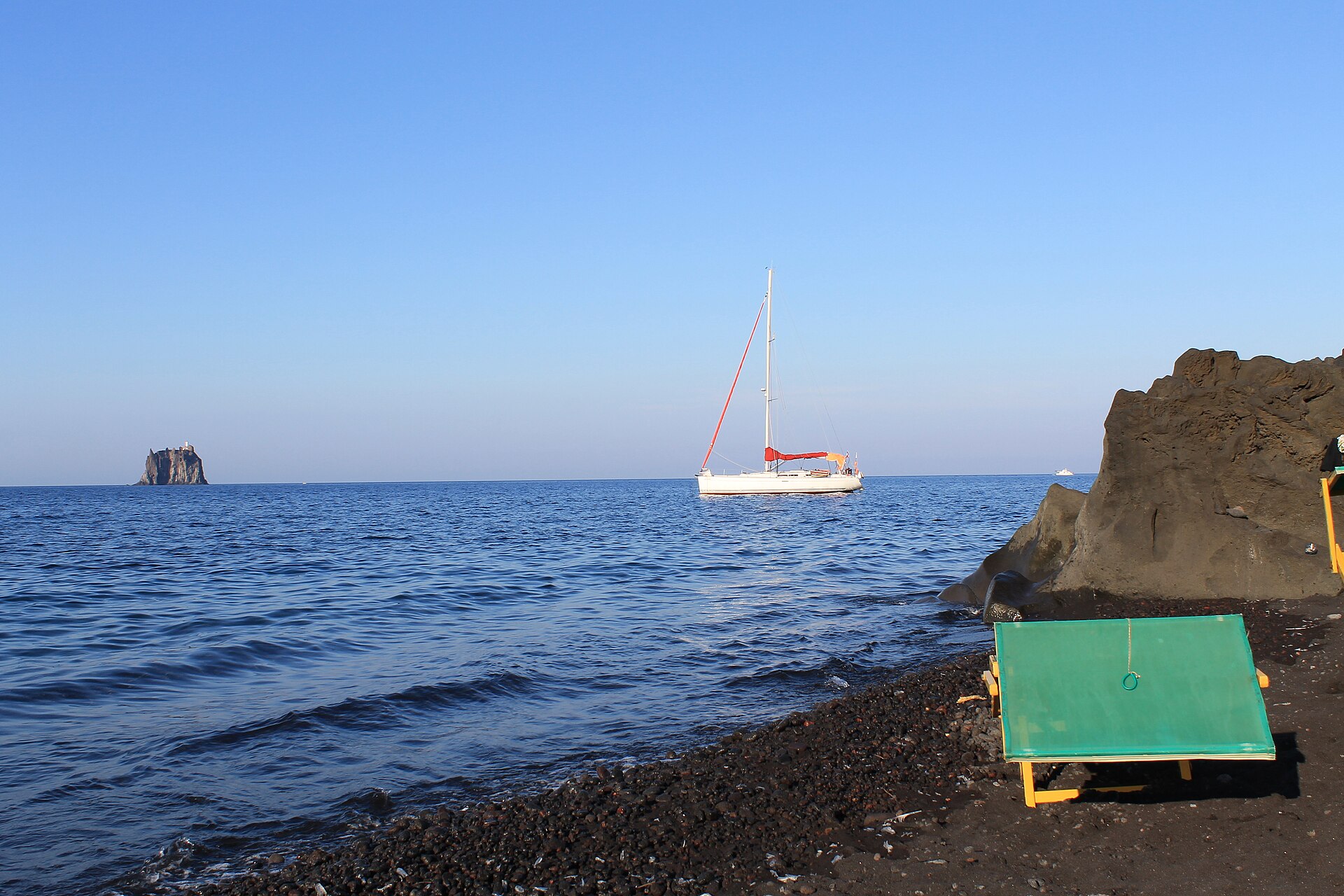
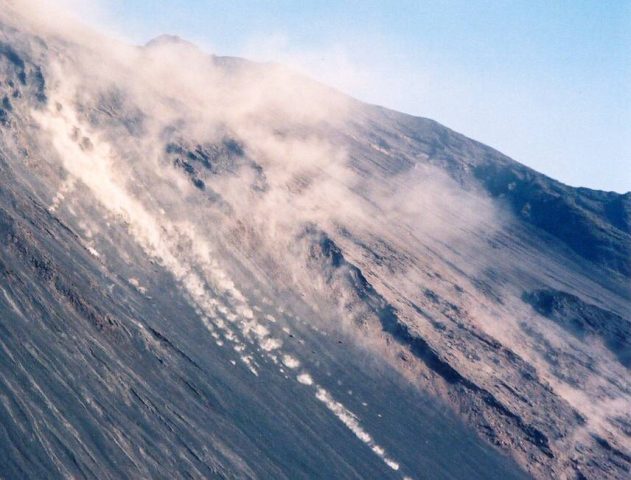
The volcano rises from the Tyrrhenian Sea, its silhouette unmistakable against the horizon. Stromboli isn’t just active—it’s alive. Every 10 to 20 minutes, the mountain exhales: glowing lava arcs into the sky, ash drifts upward, and the night flickers with orange light. The locals call it *iddu*, "he," as if speaking of a neighbor who never sleeps. You can watch from the black sand beaches of Piscità or the cliffs near San Vincenzo, where the eruptions feel close enough to touch but safe enough to trust.
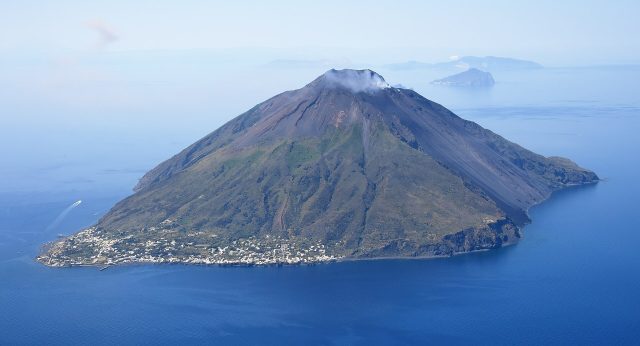
The island is small—nine square kilometers—and shaped by fire. Steep slopes drop into the sea, leaving little room for roads or crowds. White houses with terracotta roofs cluster along the shore, their simplicity a counterpoint to the mountain’s raw power. There are no resorts here, no souvenir shops with plastic trinkets. Instead, narrow alleys wind past vineyards where Malvasia grapes ripen in volcanic soil, and fishing boats bob in tiny harbors. The rhythm of life follows the volcano’s breath: slow, steady, unhurried.
Stromboli has been erupting for at least 2,000 years. The ancient Greeks believed Aeolus, god of the winds, lived here. The Romans named it *Strongyle*, "the round one," after the spirals of smoke that rise from its crater. Over centuries, lava flows have buried villages, extended the coastline, and even triggered tsunamis—like the one in 2002. Yet the island has never been abandoned. Its people have learned to read the mountain’s moods: when the tremors grow stronger, they know where to go.
Climbing Stromboli is a test. The path starts near the village of Stromboli and winds upward through loose ash and jagged lava. The final stretch is a scramble over sharp boulders, hands gripping rock as the slope steepens. Most hikers start in the late afternoon, timing the ascent to reach the summit by sunset. From there, the view is worth every step: the island sprawls below, a patchwork of black sand, white houses, and the endless blue of the sea. At night, the crater glows like a forge, hurling molten rock into the sky. The descent is made in darkness, guided only by headlamps and the volcano’s eerie light.
The locals don’t fear Stromboli—they rely on it. Volcanic ash fertilizes the soil, feeding the vineyards that produce the island’s sweet Malvasia wine. Tourism, too, has become essential. In Ginostra, the smallest village, a handful of guesthouses offer rooms with views of the crater. In San Vincenzo, restaurants serve seafood caught that morning, paired with wine made from grapes grown in lava-enriched earth. There’s no pretense here, no polished facade. What you see is what the island has always been.
Stromboli doesn’t follow schedules. The volcano can erupt more violently without warning, and storms can turn the sea rough in hours. This unpredictability is part of why people come. They don’t arrive for comfort; they come to stand at the edge of something primal. At night, when the island is dark and the crater lights up the sky, the world feels different. Time slows. The air hums with energy. It’s easy to see why ancient cultures believed volcanoes were gateways to the gods.
The mountain doesn’t destroy—it creates. Its eruptions renew the soil, draw visitors, and shape the island’s future. There’s no rush here. You might spend an afternoon watching smoke curl from the crater, or wander the streets of Ginostra, where the only sounds are waves and the occasional burst of laughter from a café. The volcano is always there, a reminder of forces far older than we are.
Visit in spring or autumn. Summer brings crowds; winter brings storms. But no matter when you go, the island stays the same: wild, alive, and utterly unforgettable. Stromboli doesn’t offer answers. It leaves you with questions—and the quiet certainty that some things can’t be explained.