Stromboli
Italy · 7 places
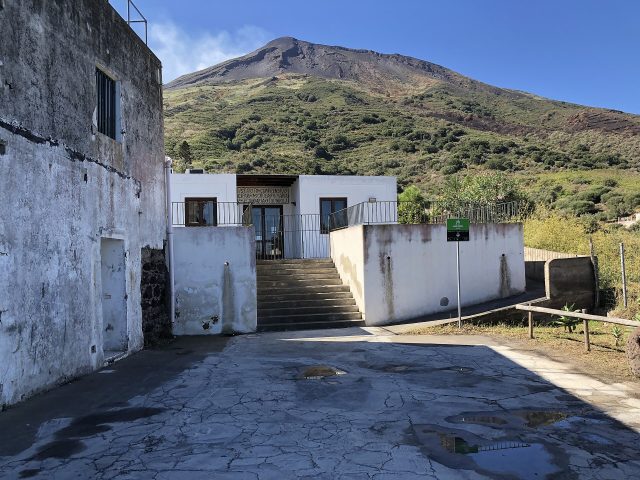
Photo: Jeremy Noble at https://www.flickr.com/photos/uberculture/, CC BY 2.0
Stromboli is one of those rare places where the earth still speaks in its own language. This small volcanic island in the Tyrrhenian Sea has been shaping its own destiny for thousands of years, and if you stand on its black sand beaches at night, you can hear it—the deep, rhythmic breathing of a mountain that refuses to sleep. The volcano, which shares its name with the island, has been erupting almost continuously for the past two millennia, a slow and steady heartbeat that locals have learned to live with. It’s not the kind of place you visit for quiet relaxation; it’s where you come to remember that the world is still being made, right before your eyes.
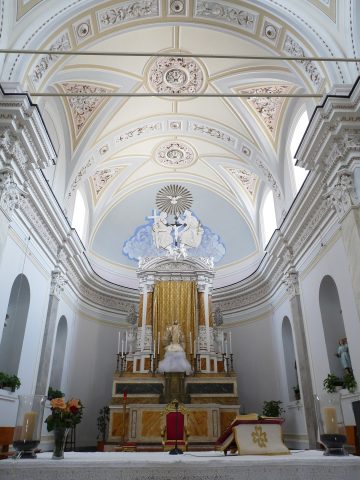
The island itself is tiny, just a few square kilometers of steep slopes and jagged coastline, with a single village clinging to the northeastern shore. There are no cars here, only narrow paths winding between whitewashed houses and the occasional donkey carrying supplies up the hill. The main settlement, also called Stromboli, feels like a place time forgot—no grand piazzas or historic monuments, just a handful of restaurants, a church with a bright blue door, and a small harbor where fishermen mend their nets in the morning sun. Life moves at the pace of the tides, and the only real urgency comes when the volcano rumbles, sending a plume of ash into the sky.
Most visitors come for the volcano, and the hike to its summit is an experience that stays with you. The trail begins in the village and climbs steadily through scrubby vegetation, past old lava flows that look like frozen rivers of stone. As you ascend, the air grows warmer, and the scent of sulfur lingers, sharp and metallic. The final stretch is a scramble over loose volcanic rock, where every step sends small avalanches of pebbles cascading down the slope. At the top, the view is worth the effort—the crater glows faintly in the dark, and every few minutes, the mountain exhales, sending a burst of molten rock arcing into the night sky. It’s a spectacle that feels both ancient and immediate, like watching the birth of the world.
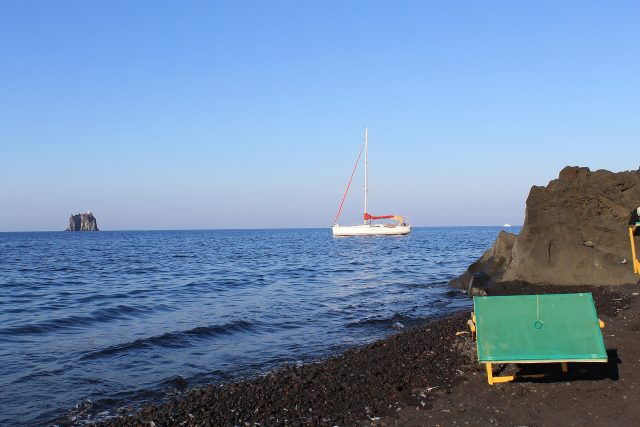
But Stromboli isn’t just about the volcano. The island has a quiet charm that reveals itself to those who stay a little longer. The beaches, though small, are striking—black sand that retains the day’s heat long after sunset, and clear water that shifts from deep blue to emerald depending on the light. In the early morning, the sea is so still it looks like glass, and the only sound is the occasional splash of a fisherman’s oar. There are no luxury resorts here, just a few family-run guesthouses where the owners might invite you to join them for dinner, serving pasta with the day’s catch and wine from the local vineyards. The food is simple, but it tastes like nowhere else—tomatoes grown in volcanic soil, capers picked from the cliffs, and fish pulled from waters teeming with life.
The island has a way of making you slow down, whether you want to or not. There’s no nightlife to speak of, just a few bars where locals and visitors gather to watch the volcano’s fireworks over a glass of malvasia. The rhythm of the day is dictated by the sun and the sea—breakfast at dawn, a swim before lunch, an afternoon nap in the shade of a lemon tree. By evening, the village comes alive in its own understated way, with the clatter of dishes from open-air kitchens and the murmur of conversation in Italian, English, and German. It’s a place where strangers quickly become familiar faces, and where the line between traveler and local blurs just enough to make you feel like you belong.
Stromboli doesn’t try to impress you. It doesn’t need to. The island has been here long before tourism, and it will be here long after. What it offers instead is a rare kind of honesty—a reminder that beauty doesn’t always come polished and perfect, but sometimes in the raw, unfinished edges of the world. Whether you come for the volcano, the silence, or just the chance to step off the map for a while, Stromboli leaves its mark. Not with grand gestures, but with the quiet certainty that some places are meant to be experienced, not just seen.
See & Do
All of them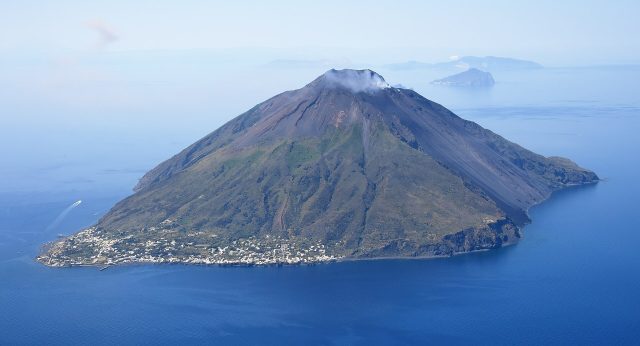
Places on the map
Marker colour follows the categoryClimate and weather
Detailed weather: Stromboli- Average temperature
- 19 °C
- Precipitation per year
- 905 mm
- Sunshine hours per day
- 7.1 h
Average air temperature
°C
13
13
14
16
20
25
28
28
25
21
18
14
Jan
Feb
Mar
Apr
May
Jun
Jul
Aug
Sep
Oct
Nov
Dec


