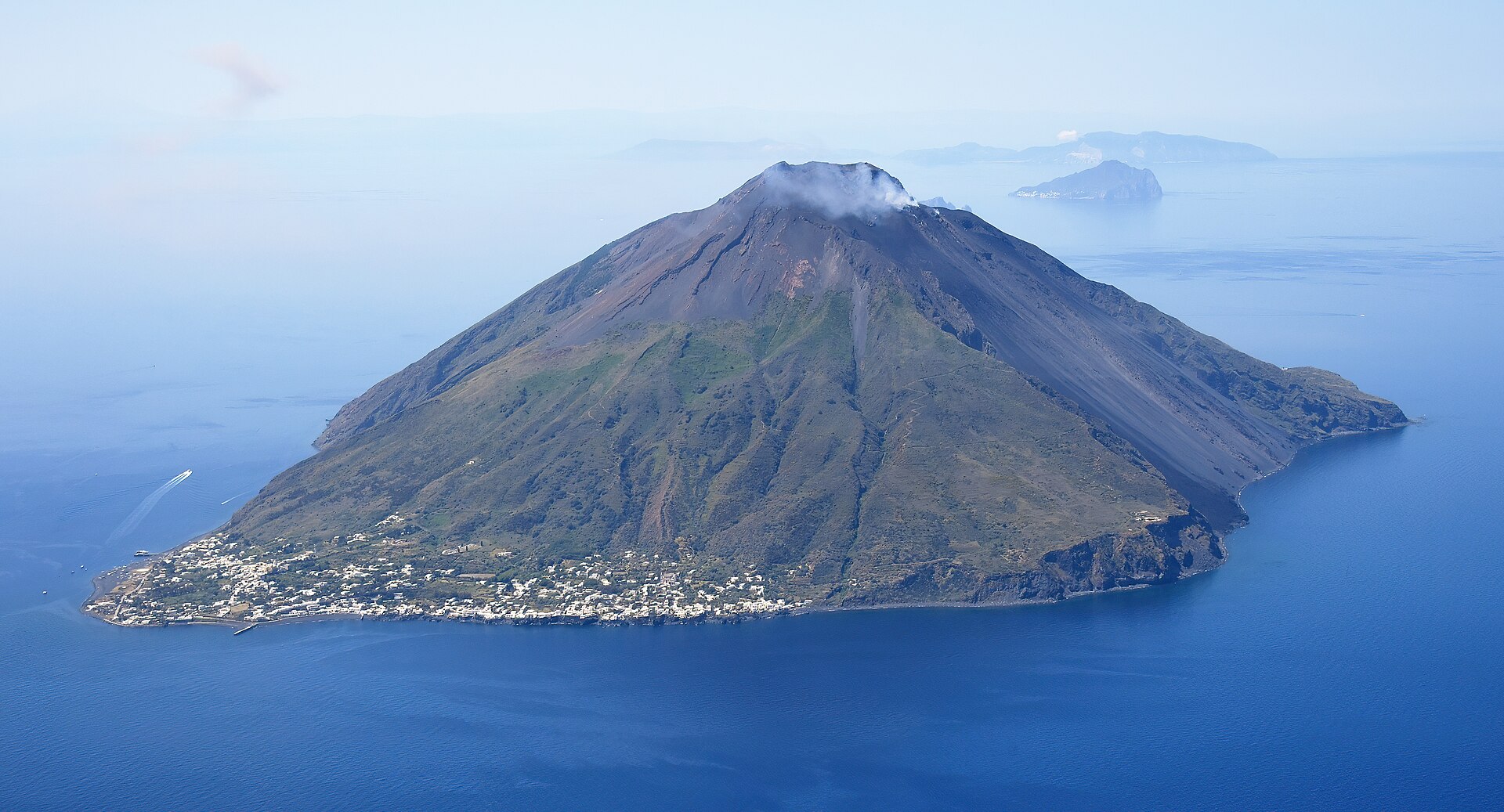
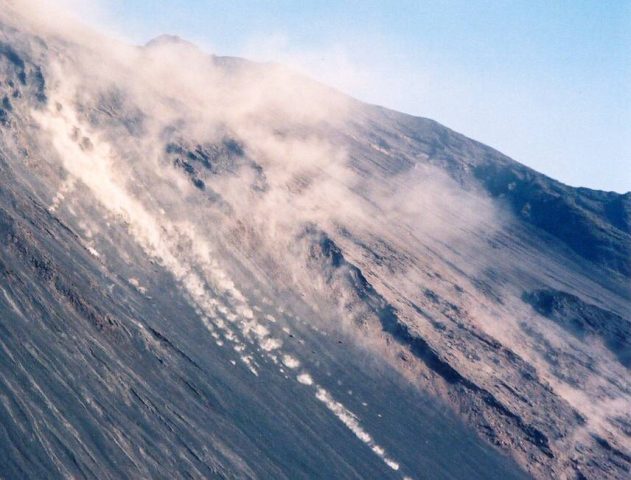
Stromboli is one of those rare places where the earth feels alive in a way that’s both unsettling and mesmerizing. Rising from the Tyrrhenian Sea north of Sicily, this small island is part of the Aeolian archipelago, but it stands apart—not just for its distinctive cone shape, but for the constant reminder that the ground beneath your feet is anything but stable. The volcano that gives the island its name has been active for thousands of years, its eruptions a rhythmic pulse that shapes life here. There’s no quiet on Stromboli, no stillness like on other Mediterranean islands. Instead, the air hums with the low rumble of distant explosions, the occasional crack of falling rocks, and the sight of glowing lava fountains lighting up the night sky. It’s as if the island itself is breathing, a reminder that nature isn’t just a backdrop but an active force.
The history of Stromboli is inseparable from its volcano. The ancient Greeks called it Strongyle, meaning "the round one," and believed it was the home of Aeolus, the god of winds. Later, the Romans used it as a lookout point, while in the Middle Ages, it became a refuge for pirates and fugitive monks. Today, around five hundred people live here, their lives dictated by the mountain’s moods. Houses cluster on the lower slopes, far from the crater, their whitewashed walls designed to reflect the sun and withstand the occasional shower of ash. Roads wind along the coastline, and fishing boats dock in sheltered coves, away from the worst of the volcanic debris. The locals have learned to live with the unpredictability—evacuations are part of life, but they always return. There’s something about this place, they’ll tell you, that makes it impossible to stay away for long.
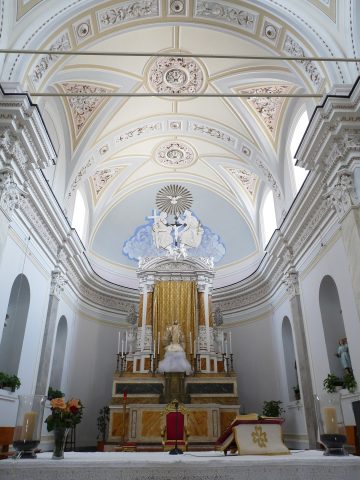
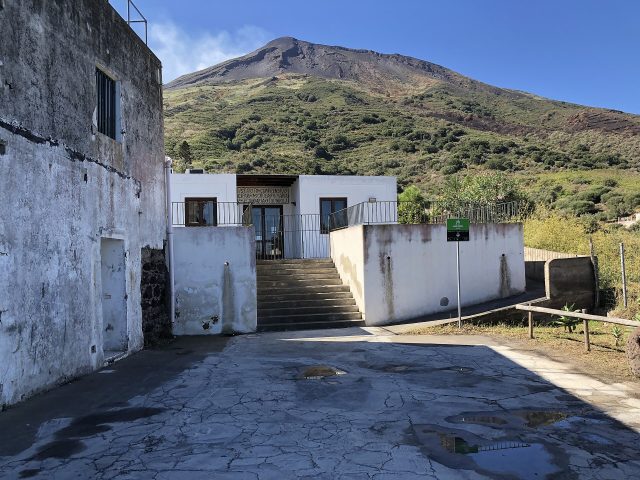
The architecture of Stromboli is simple, built to endure rather than impress. The houses are low and sturdy, with flat roofs and shuttered windows to keep out the wind and ash. Narrow streets twist through the villages, leading to small squares where churches stand like silent sentinels. The most prominent is San Vincenzo, an 18th-century church with a modest facade and faded frescoes inside, depicting the lives of local saints. Around it, the old quarter of San Vincenzo feels frozen in time, its stone buildings holding stories of generations who have lived in the shadow of the volcano. There’s no grand design here, just practicality—everything built to last, to weather the next eruption, the next storm.
The volcano is more than just a landmark; it’s the heart of the island. Stromboli’s eruptions are so frequent and predictable that scientists have studied them for decades, even coining the term "Strombolian" to describe this type of volcanic activity. Most of the time, the explosions are small—lava trickles down the slopes into the sea, ash drifts onto rooftops, and life goes on. But every so often, the mountain reminds everyone of its power. In 2019, a larger eruption forced evacuations, and in 2022, lava flows destroyed a handful of homes. Yet people still come, drawn by the spectacle of molten rock bursting into the night sky, a natural fireworks display that feels almost surreal. It’s a strange kind of beauty, one that doesn’t hide the danger but somehow makes it part of the allure.
Hiking to the summit is an experience unlike any other. The trail starts in the village of Ginostra, winding through scrubby vegetation and ancient lava fields. Signs warn of the risks, and rest stops offer a chance to catch your breath as the air grows thicker with the smell of sulfur. The climb takes about three hours, and the higher you go, the more the heat presses in. At the top, the view is both breathtaking and humbling—the crater below, puffing out smoke and embers at regular intervals. At night, the eruptions become even more dramatic, the glow of lava reflecting off the sea while the deep booms echo across the island like distant thunder. It’s a reminder that this isn’t just a mountain; it’s a living thing, and you’re standing on its edge.
Life on Stromboli moves at its own pace. There are no luxury resorts or crowded beaches here—just a handful of small guesthouses, family-run restaurants, and a quiet rhythm that revolves around the sea and the volcano. The locals fish, tend vineyards, and grow olives and capers, selling their harvest at the morning market or using it in traditional dishes. Early mornings belong to the fishermen, their boats returning with the day’s catch, which they sell straight from the dock. Evenings are for lingering over meals in the island’s tavernas, where the food is simple but fresh—pasta with seafood, grilled fish, and the local Malvasia wine, crisp and slightly sweet. There’s no rush, no need to fill the silence. The island doesn’t demand attention; it just is.
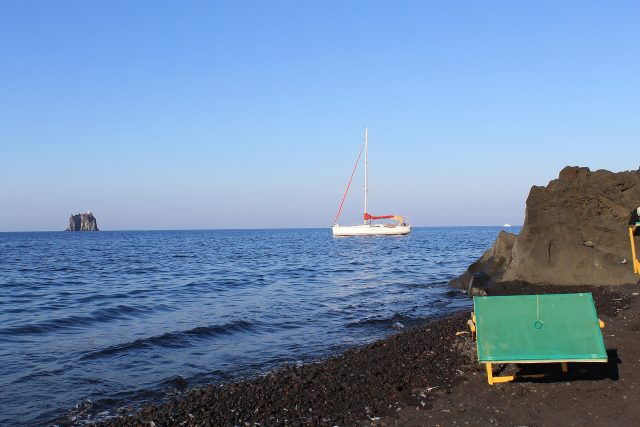
The sea around Stromboli is as much a part of the experience as the volcano. The water is clear and bright, dotted with hidden coves and sea caves accessible only by boat. One of the most famous is the Grotta del Diavolo, or Devil’s Cave, named for a local legend about a demon who once hid inside. The water inside glows an eerie turquoise, and the walls are lined with stalactites, their shapes worn smooth by time. The beaches are mostly rocky, but that doesn’t stop visitors from swimming or snorkeling in the crystal-clear water. One of the most popular spots is Fuori del Porto, a short walk from the main harbor, where you can rent a sunbed and spend the day listening to the waves. Boat tours circle the island, offering a different perspective—one where the volcano looms over the sea, its slopes black against the blue.
Stromboli isn’t a place for those who crave the familiar. There’s no nightlife, no shopping districts, no grand monuments to tick off a list. Instead, it offers something quieter, something that lingers long after you’ve left. The days here are shaped by the sun and the sea, the nights by the glow of the volcano. Mornings begin with the cry of gulls and the sound of waves against the shore, afternoons with the heat pressing down on the whitewashed houses, and evenings with the distant rumble of the mountain. It’s a place where time feels different, where the usual markers of life—work, schedules, noise—fade into the background. What’s left is the raw, unfiltered presence of nature, and the strange comfort of knowing you’re just a small part of something much bigger.
For those who come here, Stromboli isn’t just a destination. It’s a feeling. Maybe it’s the way the air smells of salt and sulfur, or the way the light catches the lava fields at sunset. Maybe it’s the quiet conversations with locals who’ve spent their whole lives watching the mountain’s moods, or the way the sea sparkles just a little brighter here. Whatever it is, it stays with you. Because Stromboli doesn’t just show you a place—it shows you a way of seeing the world, one where the earth isn’t just solid ground but something alive, something that remembers and forgets, something that doesn’t care about human plans. And that, in the end, might be the most extraordinary thing of all.