San Bartolo Square is where Stromboli’s true pace reveals itself. Unlike the island’s more tourist-driven spots, this small open space in the heart of the village of the same name feels untouched by the rush of modern travel. Even in high season, it remains quiet, a place where the island’s rhythm slows just enough to let you settle into its way of life. Stromboli is defined by its volcano, but San Bartolo offers a counterpoint—a sheltered corner where the mountain’s presence fades into the background, replaced by the steady, unhurried pulse of daily existence.
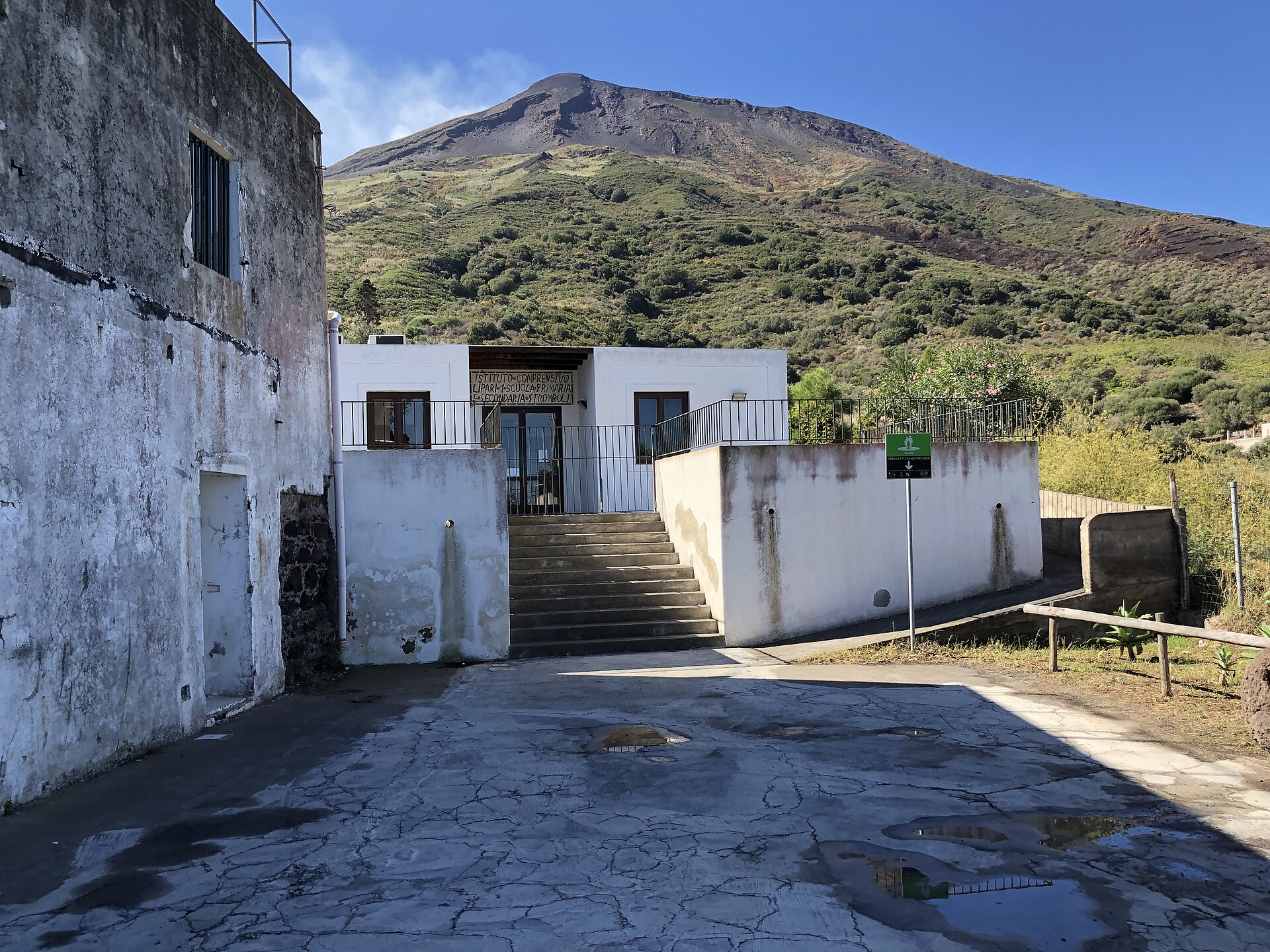
The square’s architecture is as unassuming as the island itself. Low houses with whitewashed walls and shutters painted in faded blues and greens encircle the space, their simplicity a reflection of the land they stand on. At its center, an old stone fountain still trickles with water, though its original purpose as the village’s sole water source has long since given way to something gentler. Now, it’s where children cool off on hot afternoons, splashing in the shallow basin while parents watch from nearby benches. A few palm and olive trees cast dappled shade, creating pockets of quiet where the only sounds are the rustle of leaves and the occasional murmur of conversation.
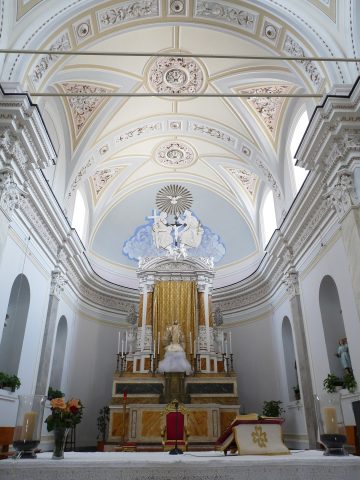
This isn’t just a square—it’s the living room of the village. The small church of San Bartolomeo, the island’s patron saint, stands at one end, its modest facade and slender bell tower a familiar landmark. Inside, there’s no grand decoration, just the quiet dignity of a place that has served its people for generations. On Sundays, after mass, the square fills with life as locals gather to talk, trade goods, or simply enjoy each other’s company. For a few hours, it becomes a village hall of sorts, where everyone knows the names of their neighbors and the news travels faster than the wind.
San Bartolo’s history is inseparable from Stromboli’s. The island has been inhabited since ancient times, but permanent settlements only took root in the Middle Ages, when people began building their lives on the volcano’s slopes despite its dangers. The village started as a fishing community, and many of its residents still depend on the sea. The square has always been the heart of this life—where disputes were settled, festivals celebrated, and justice administered. Long before hotels or restaurants existed, it was the place where travelers could find shelter and a meal, offered by the same hands that pulled nets from the water at dawn.
Today, the square remains one of the few places on Stromboli where the island’s essence hasn’t been diluted. There are no luxury resorts or crowded bars here, just a handful of small cafés where the coffee is strong and the pastries are fresh. One sits right on the square, its tables spilling onto the pavement. In the evenings, fishermen stop by to discuss the day’s catch, while visitors who came for something more than beaches linger over simple, honest food—pasta with seafood, a salad of local vegetables, or fish that was swimming in the sea that morning.
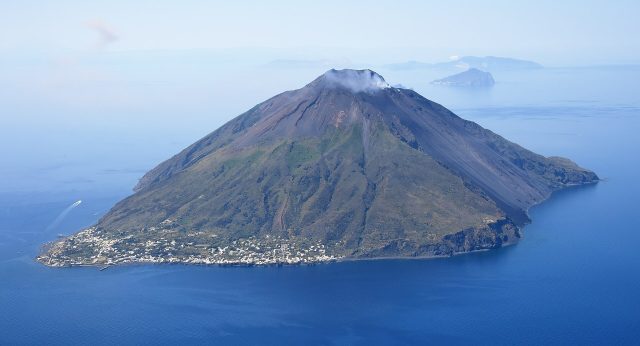
Stromboli is an island of contrasts, and San Bartolo Square embodies one of them. On one side, the volcano looms, its rumblings a constant reminder of the forces beneath the surface. On the other, the square offers a kind of stillness, as if time moves to its own rhythm. The mountain could wake at any moment, and when it does, life here will shift in an instant. But for now, the square endures as a place where nothing much happens—and that’s precisely the point. There’s no need to fill the silence with noise or the hours with activity. The island’s magic lies in its quiet persistence, in the way it carries on, day after day, without fanfare.
If you come to Stromboli, don’t rush straight to the volcano’s crater or the nearest beach. Take a moment first in San Bartolo Square. Sit by the fountain, watch the children kick a football between the trees, listen to the old men arguing over the weather. Maybe then you’ll understand why this island draws people back—not just for its dramatic landscapes, but for the way it makes time feel different. There’s nothing grand about it, no monuments or must-see attractions. Just a square, a few houses, and the quiet certainty that this is how life is meant to be lived.