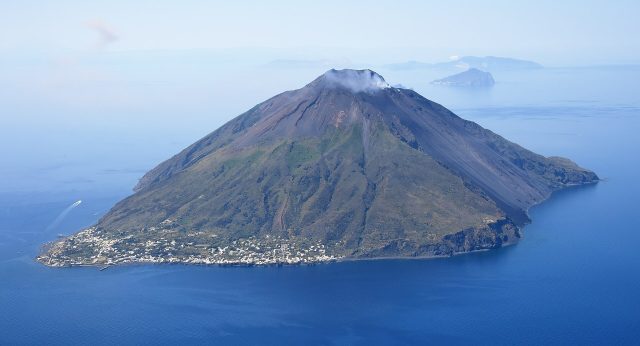
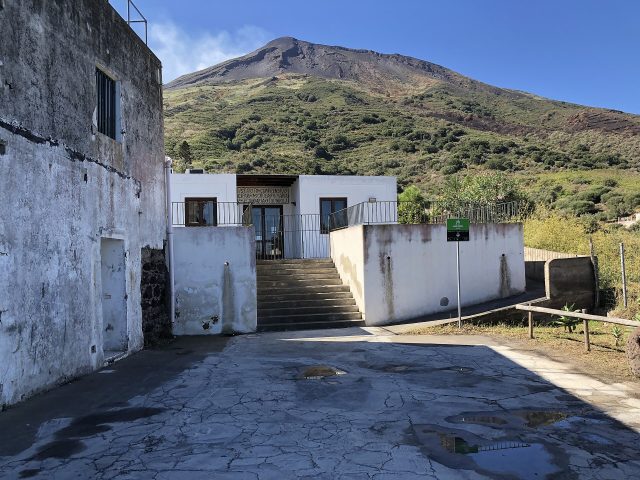
It breathes, rumbles, and occasionally reminds visitors that here, nature isn’t just a backdrop—it’s the main character. The volcano never sleeps, and its activity is part of daily life. Locals live with its moods; travelers come to see the earth give birth to fire, not on a screen, but in person. The best place to watch is the Sciara del Fuoco viewpoint.
Why the name fits
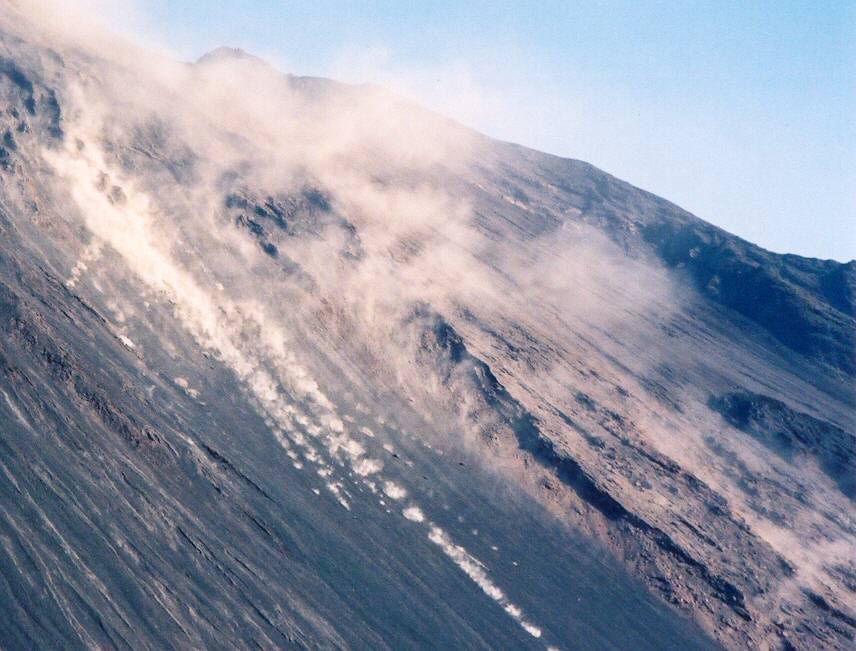
Sciara del Fuoco means "stream of fire." It’s a slope where lava flows during eruptions, leaving black scars against green hills and blue sea. The viewpoint is on the volcano’s northwest flank. You reach it on foot from the village of Stromboli. The hike takes about an hour over rocky terrain. Each step brings you closer to something ancient, untamed.
The view
The viewpoint isn’t a man-made structure. It’s a natural terrace with a sweeping view of the slope and the sea. On clear days, you can see the other Aeolian islands, but the volcano always commands attention. It doesn’t erupt constantly—every few hours, fountains of lava burst from the crater with a deep roar. These eruptions last only minutes. Local guides time their tours to catch the most dramatic displays.
An island shaped by fire
The ancient Greeks called it Strongyle, meaning "round," and believed it was home to Aeolus, god of winds. Later, the Romans used it as a place of exile. In the Middle Ages, monks seeking solitude settled here. Today, Stromboli is an island of fishermen and tourists, but life still follows the volcano’s rhythm. Boats stay docked when activity is too intense. Hotels warn guests about possible evacuations.
The atmosphere at Sciara del Fuoco is unlike anywhere else. There are no crowds, but you’re rarely alone—others have come for the same reason. In the evening, as the sun sets and lava glows brighter, it feels like another world. The volcano’s sounds—the hiss of gases, the crack of rocks, the deep thuds—make the ground tremble beneath your feet. In those moments, it’s easy to see why people have both worshipped and feared fire.
The climb
The trail is narrow in places, with a sheer drop on one side and a cliff face on the other. Some sections require scrambling over rocks. The route isn’t technical, but it’s not easy. When you reach the top and see molten lava, the struggle fades. There are no railings, no signs—just you, the volcano, and the sea. The mix of freedom and awe stays with you.
Stromboli isn’t for those seeking comfort or predictability. Everything can change in an instant—an eruption, a storm, a canceled ferry. But that’s why people come. Sciara del Fuoco isn’t just a viewpoint. It’s where you touch something raw. There are no souvenir shops, no cafes, not even benches. Only the earth, the fire, the sea, and you.
If you go, bring water, sturdy shoes, and a flashlight—you’ll likely descend in the dark. A guide is wise, especially for first-timers. They know the trail, share stories, and point out the best moments of an eruption. Even without one, the experience is unforgettable. Just remember: you’re on an active volcano. Respect its power. Stromboli rewards those who approach it with an open heart.