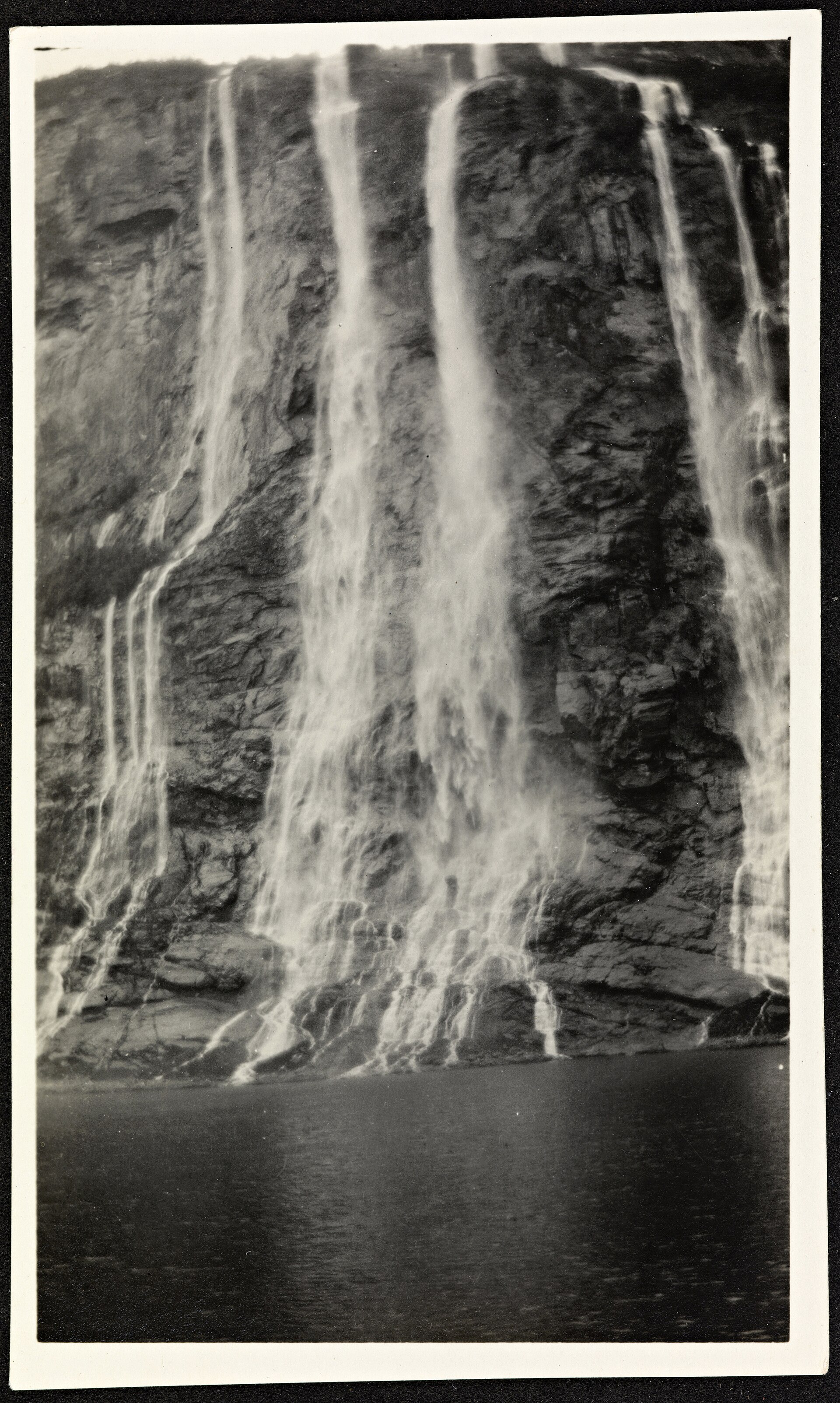
The Geirangerfjord is one of those rare places where nature seems to have gathered its most breathtaking elements in one spot—sheer cliffs, dense forests, water so clear it feels like glass, and waterfalls that tumble down the mountainsides with effortless grace. Among them, the Bride’s Veil, or *Brudesløret* as it’s known in Norwegian, stands out not for its height or power, but for the way it moves. Seven distinct streams cascade down the rocky slope, their delicate ribbons of water swaying in the wind like strands of hair or the flowing fabric of a veil. The name itself evokes an image of something fragile and fleeting, though in Russian-speaking traditions, it’s often called the Groom—a contrast that only adds to its mystique, especially when paired with the nearby waterfall known as the Bride.
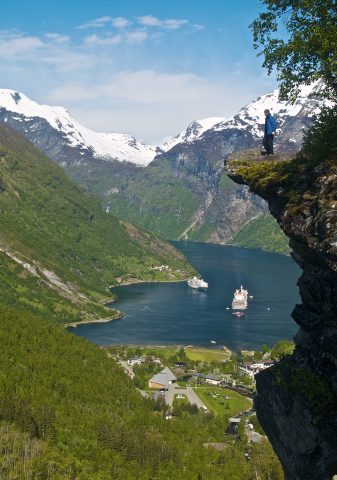
Reaching the waterfall is part of the experience, and the journey offers as much beauty as the destination itself. The most straightforward way is to follow the trail from the village of Geiranger, a winding path that hugs the fjord’s edge. The walk takes about an hour each way, but the scenery makes the effort worthwhile. Along the route, smaller waterfalls appear like hidden gems, and meadows dotted with wildflowers stretch toward the water. If the weather cooperates, sunlight catches the cascading streams, turning them into shimmering threads of silver. For a different perspective, the Flydalsjuvet viewpoint offers a bird’s-eye view of the falls, where the wind can suddenly shift the water’s shape, making it dance in unexpected ways.
The history of the Geirangerfjord and its waterfalls is deeply tied to the lives of those who have called this place home. For centuries, the area was remote, accessible only to fishermen and farmers who built their lives along its shores. The waterfalls weren’t just scenery—they powered mills and sawmills, their energy shaping the rhythm of daily life. Tourism arrived in the 19th century, but even then, the fjord retained its wild character. Today, remnants of that past linger in the old wooden buildings scattered across the hillsides, though the waterfalls themselves have become symbols of the region, drawing visitors from around the world. Unlike some tourist hotspots, the Bride’s Veil hasn’t been tamed; it remains as untamed as the landscape around it.
The architecture here isn’t man-made—it’s the work of time and water. The cliffs behind the falls are layered like giant steps, their surfaces carved by centuries of flowing water. The streams themselves shift with the seasons: in spring, when snowmelt swells the rivers, the falls roar with full force, while in summer, the water thins into delicate ribbons that catch the light in shades of blue and green. Autumn wraps the scene in gold, and winter transforms the falls into frozen sculptures, their icy forms clinging to the rock. Each season brings a new version of the waterfall, and even those who know it well find themselves surprised by its ever-changing beauty.
For Geiranger, the Bride’s Veil is more than just a natural wonder—it’s a defining feature of the landscape, as iconic as the Seven Sisters waterfall or the Eagle Road. It appears on postcards and souvenirs, but no image can capture the feeling of standing beside it. The sound of rushing water, the cool breeze off the fjord, the scent of damp earth and pine—these are the details that linger long after the visit. For many travelers, this waterfall becomes the reason they made the journey to Geiranger in the first place, a moment of quiet awe in a world that often feels too loud.
Visitors often describe the waterfall as having a kind of energy, something intangible but undeniable. Maybe it’s the way it feels removed from the busier tourist spots, or how its streams seem to shift and flow like time itself. Whatever the reason, people leave with a sense of calm, as if they’ve glimpsed something rare—a place where nature reveals itself without pretense. Of course, in peak season, the area can get crowded, but even then, it’s possible to find a quiet corner to sit and listen to the water, to watch the way the light plays on the rocks.
The Geirangerfjord and its waterfalls aren’t just postcard-perfect views; they’re part of Norway’s living history. The old farms clinging to the hillsides, the paths worn smooth by generations of footsteps—these are the traces of a way of life that has endured for centuries. The Bride’s Veil, like the other falls, is a witness to that history. It has seen the landscape change, watched as tourism transformed the region, and yet it remains untouched by time in the ways that matter most. Today, it continues to inspire artists, photographers, and travelers, a reminder that some beauty doesn’t need embellishment.
If you find yourself in Geiranger, don’t rush straight to the most famous viewpoints. Take the time to wander, to climb one of the lesser-known trails or sit by the fjord’s edge. You might see the Bride’s Veil from an angle you didn’t expect—when the setting sun turns the water golden, or when mist curls around the cliffs, making the falls appear suspended in air. These moments aren’t always predictable, but they’re the ones that make a trip unforgettable. Sometimes, the best experiences aren’t the ones you plan for, but the ones that find you.