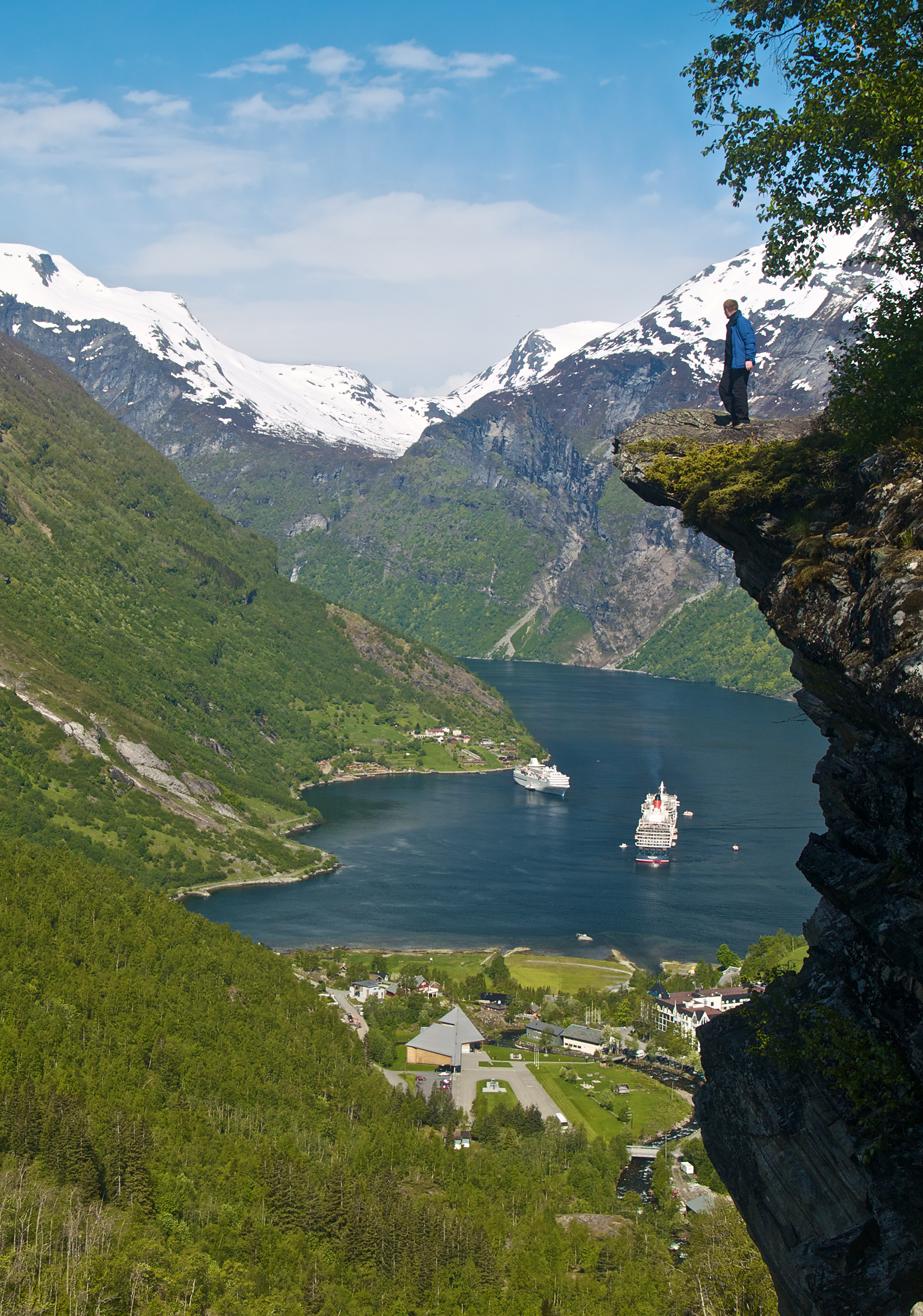
Geirangerfjord is one of those rare places that make you pause and remember how vast and untamed the natural world can be. Carved into the rugged coastline of western Norway, this narrow inlet feels almost unreal—steep cliffs draped in dense forest, waterfalls plunging from heights of hundreds of meters, and deep blue waters that mirror the sky and mountains. Even in peak season, there’s no sense of crowds or chaos, just the quiet rhythm of water and the occasional cry of a gull. The fjord isn’t just a postcard-perfect landscape; it’s a living part of the region’s history, where people and nature have coexisted for centuries in a delicate balance.
A UNESCO World Heritage site, Geirangerfjord stretches about fifteen kilometers, its depths reaching over two hundred meters in places. The cliffs rise as high as fifteen hundred meters, creating the impression of standing at the bottom of a colossal bowl. The water is so clear it’s nearly transparent, holding its deep blue hue even on overcast days. In summer, the fjord comes alive with small farms clinging to the hillsides, tourists on boats admiring the waterfalls, and locals sharing stories of the treacherous maritime routes that once passed through here. Long before it became a tourist destination, this was a remote corner of the world, known only to those who lived along its shores or dared to navigate its waters.
The most famous waterfalls here—Seven Sisters, the Bridal Veil, and the Suitor—each carry their own legends. Seven Sisters, a cascade of seven streams plummeting 250 meters, is said to represent the daughters of a mountain king who refused the Suitor’s proposal. The lone waterfall across the fjord, the Suitor, stands as a silent admirer, forever separated from them. Whether the stories are true or not hardly matters; they add a layer of magic to the place. The best way to experience the waterfalls is from the water, where the spray touches your face and the roar of the falls drowns out everything else.
Geirangerfjord wasn’t always a tourist hotspot. For most of its history, it was an isolated place, reachable only by those willing to make the journey. In the 19th century, the first hotels began to appear, and as steamship routes expanded along Norway’s coast, the fjord became a stop for travelers. Today, tourism is a vital part of life in the village of Geiranger, but the settlement has retained its quiet charm. There are no skyscrapers or bustling streets, just a handful of cozy cafés, a small museum, and a dock where boats set off for sightseeing tours. The pace of life here moves slowly, much like the water in the fjord itself.
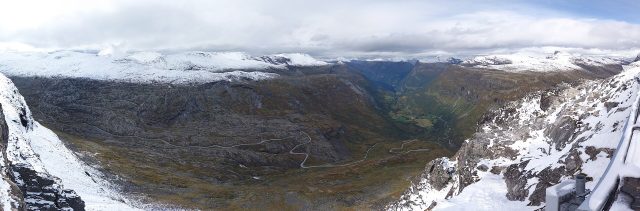
One of the most unforgettable experiences in Geiranger is driving the Eagle Road, a winding route with eleven hairpin turns that climbs from the village to the Dalsnibba plateau. Built in the early 20th century, the road was considered an engineering marvel at the time, carved into the mountainside by hand when modern machinery was still a distant dream. Today, visitors can drive or take a bus up the road for a breathtaking view of the fjord from above. From the plateau, the valley unfolds below like a patchwork of green, with the fjord stretching into the distance, framed by snow-capped peaks.
Despite its popularity, Geirangerfjord remains a place where you can easily feel alone with nature. There are no amusement parks or crowded promenades, just the raw beauty of mountains, water, and sky. In summer, hiking trails wind along the shore and into the valley, offering quiet moments of solitude. Winter transforms the fjord into a different world—still and silent, blanketed in snow, with only the occasional visitor braving the cold to see it in its hushed, frozen state. The sense of tranquility is even stronger then, as if time itself has slowed down.
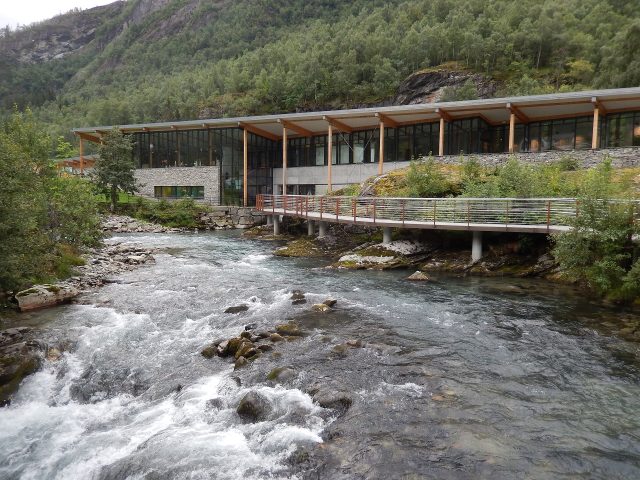
For those curious about the history and culture of the area, the village of Geiranger has a small museum dedicated to the lives of its inhabitants. The exhibits include everyday objects, tools, photographs, and documents that tell the story of how people settled and survived in this harsh landscape. A significant portion of the collection focuses on the fjord’s maritime history, as it was once a crucial transport route, and many families in Geiranger made their living from the sea. Visitors can also learn about traditional fishing, farming, and how tourism gradually changed the way of life in the village.
Geirangerfjord is more than just a stunning natural wonder; it’s a place where history and nature intertwine. It reminds you of the fragility and power of the world around us, offering a chance to step away from the noise of modern life and reconnect with something deeper. Whether you visit for a day or stay for a week, the fjord leaves an impression that lingers—of water cascading down cliffs, of mountains reflected in still waters, and of a sense of timelessness that makes you want to return. That’s why people keep coming back, drawn not just by the scenery, but by the feeling of being part of something much larger than themselves.