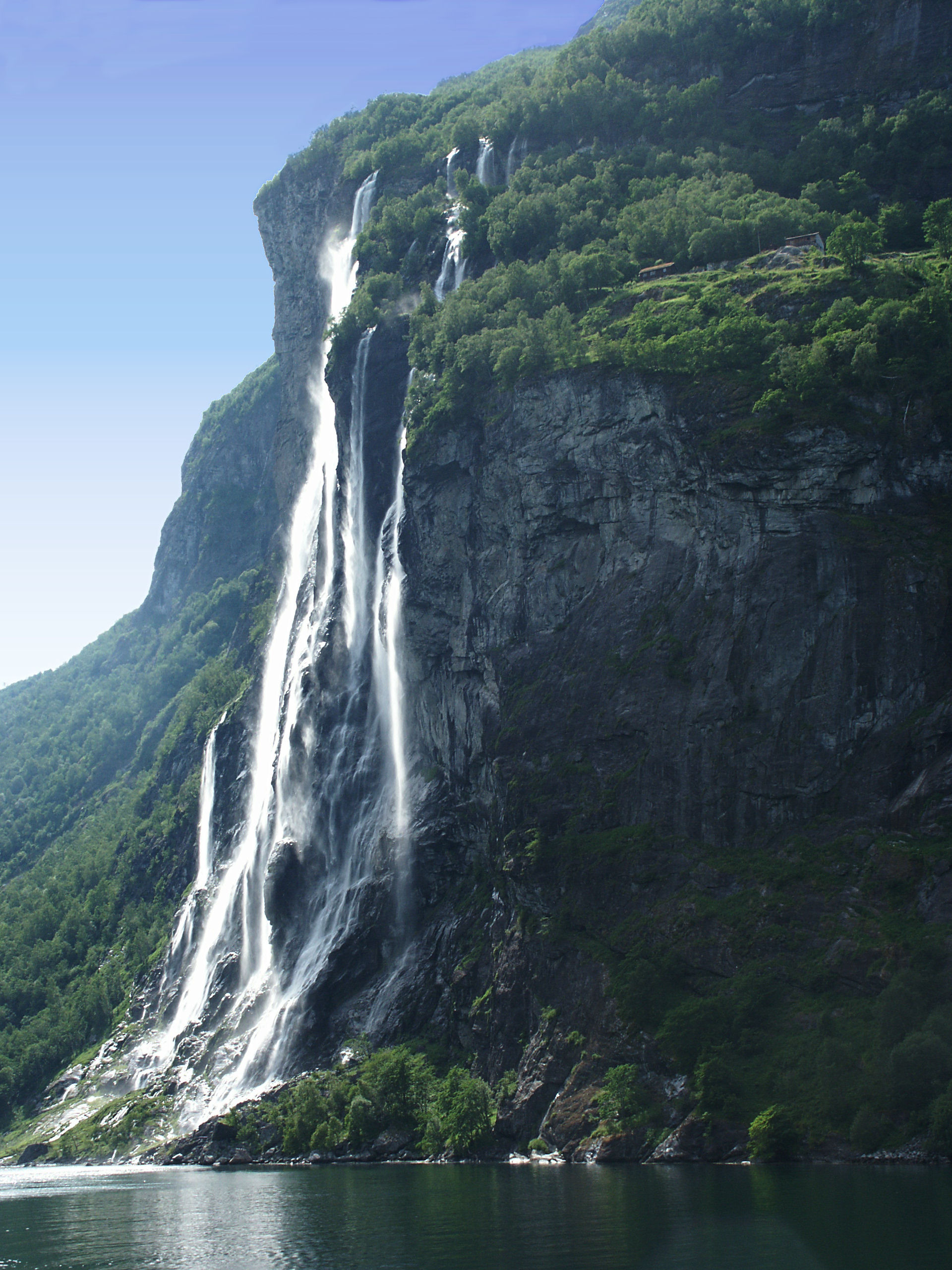
The Seven Sisters waterfall is one of those rare places where nature seems to have deliberately arranged everything to leave you breathless. Tucked along the steep cliffs of Geirangerfjord in western Norway, it stands out even in a landscape already famous for its dramatic beauty. The waterfall isn’t just a single cascade but seven distinct streams tumbling side by side from a height of nearly 250 meters. From a distance, they resemble figures frozen in motion—hence the name, inspired by local folklore that speaks of seven sisters turned to stone for their indecision in love. Whether you believe the legend or not, there’s something undeniably poetic about the way the water splits and reunites, as if each stream has its own rhythm yet remains part of a greater whole.
Geirangerfjord itself is a masterpiece of natural engineering, carved over millennia by glaciers that gouged deep valleys into the Norwegian coastline. The fjord’s steep walls rise sharply from the water, their dark rock faces softened by patches of greenery and the occasional cluster of wildflowers. Waterfalls are common here, but the Seven Sisters commands attention in a way few others do. Unlike some cascades that plunge straight down in a single rush, these streams seem to dance down the cliffside, splitting and merging in a way that feels almost deliberate. On sunny days, the mist catches the light, painting fleeting rainbows above the falls—a sight that draws photographers and dreamers alike.
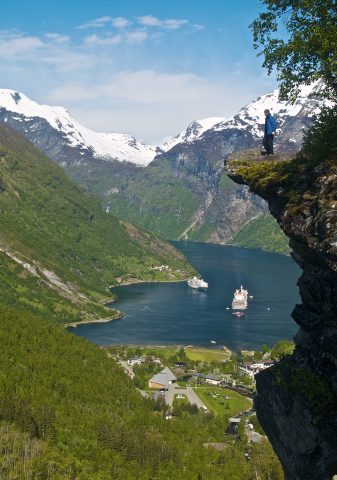
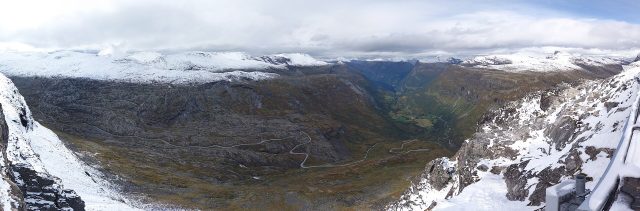
The best way to experience the waterfall is from the water. Small boats and ferries glide along the fjord, offering a perspective that reveals the full scale of the falls. From the deck, you can see all seven streams at once, their roar carrying across the water like distant thunder. The force of the water is mesmerizing, especially in early summer when snowmelt swells the rivers. For those who prefer solid ground, hiking trails wind up the mountainside to viewpoints that overlook the fjord. The paths aren’t always easy—steep, rocky, and sometimes slick—but the reward is worth it. From above, the fjord stretches out like a ribbon of blue, framed by jagged peaks, while the Seven Sisters appear almost delicate against the vastness of the landscape.
Across the fjord from the Seven Sisters lies another waterfall, known as the Suitor or the Bridal Veil. According to local stories, it represents a would-be groom who waited in vain for the sisters’ affection. The two waterfalls face each other across the water, separated by the fjord’s width, as if locked in an eternal, silent conversation. It’s a charming detail, one that adds a layer of storytelling to the already striking scenery. Whether you’re standing on the shore or watching from a boat, the contrast between the two—one powerful and sprawling, the other slender and graceful—makes the scene feel almost theatrical.
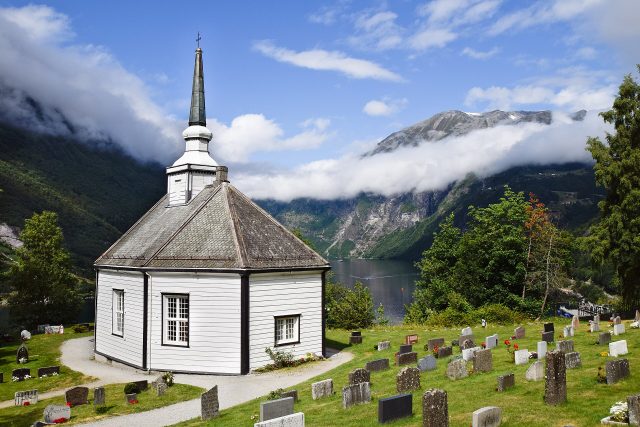
Geiranger and its surroundings are steeped in history, though it’s easy to overlook when surrounded by such overwhelming natural beauty. For centuries, this remote corner of Norway was shaped by the rhythms of the sea and the mountains. Before roads connected these valleys, the fjord was the main highway, used by fishermen, traders, and farmers to move goods and people. Waterfalls like the Seven Sisters served as landmarks, their roar guiding sailors through fog or darkness. Even today, there’s a sense of isolation here, as if the modern world hasn’t quite caught up with the timelessness of the landscape. The few villages clinging to the fjord’s edges feel like relics of another era, where life still moves at the pace of the tides.
The seasons transform Geiranger in ways that make each visit feel distinct. Summer is the busiest time, when the fjord comes alive with boats, tourists, and the hum of small cafés along the shore. The waterfall is at its most powerful then, fed by melting snow from the high mountains. Autumn brings a quieter beauty, as the crowds thin and the hillsides blaze with gold and crimson. Winter turns the landscape into something almost otherworldly—the fjord shrouded in mist, the waterfalls frozen into intricate ice sculptures. By spring, the thaw awakens the falls with renewed vigor, their streams rushing down the cliffs as if eager to reclaim the land.
For many travelers, Geiranger is just a stop on a larger journey through Norway’s fjords. But those who linger discover that this place has a way of slowing time. There’s no rush here, no need to fill the hours with activity. You can sit on a rocky outcrop for an afternoon, watching the light shift across the water, or hike to a quiet overlook where the only sound is the wind and the distant murmur of the falls. The Seven Sisters, with their constant motion and ever-changing moods, become a kind of anchor—a reminder that some places exist beyond the reach of schedules and itineraries.
What makes this corner of Norway special isn’t just the scenery, though that would be enough. It’s the way the landscape invites you to pause, to look closer, to listen. The waterfall doesn’t just fall; it tells a story, one that’s been unfolding for thousands of years. The fjord doesn’t just reflect the sky; it holds echoes of the people who’ve lived along its shores, from Viking-era farmers to modern-day travelers. And the mountains don’t just stand there—they watch over everything, silent witnesses to the passage of time. In a world that often feels too fast, too loud, places like this offer a rare chance to step outside of it, if only for a little while.