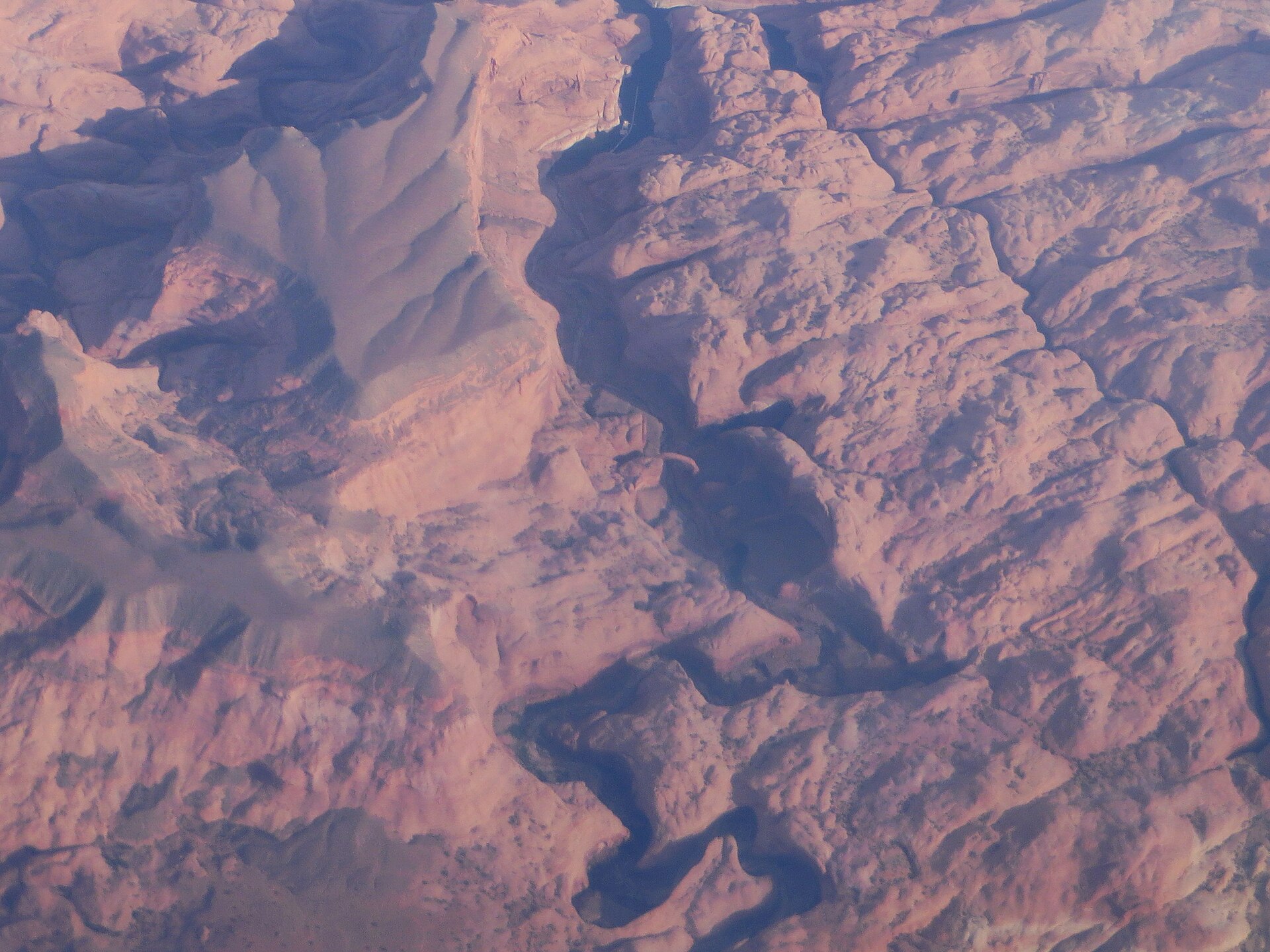
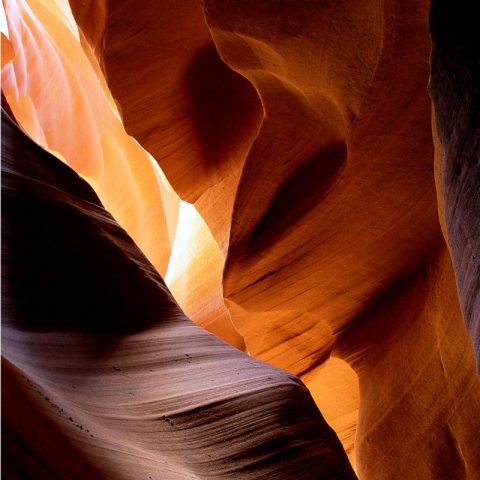
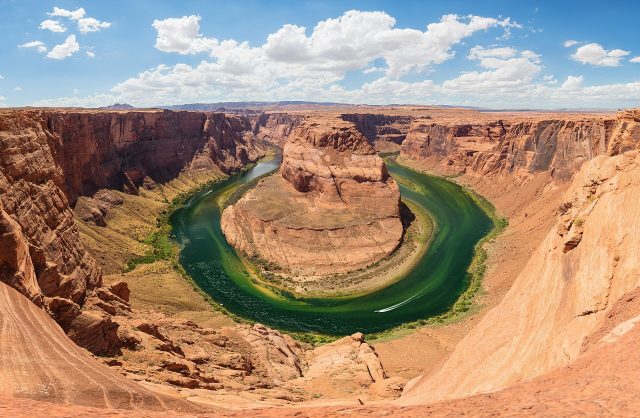
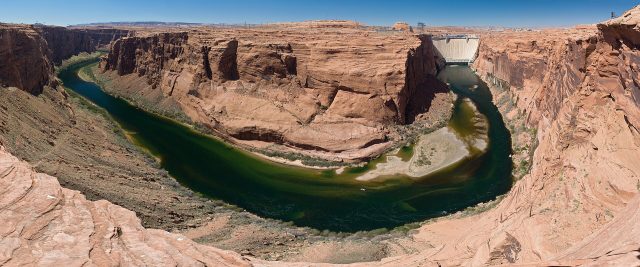
Rainbow Bridge feels like a place that shouldn’t exist—not because it’s unreal, but because its beauty is so precise, so effortless, that it seems almost deliberate. Carved from sandstone by the slow persistence of wind and water, this natural arch rises above a canyon in the heart of the American Southwest, within the Navajo Nation near Page, Arizona. The name suits it perfectly: when sunlight catches the curve of the stone just right, the arch glows like a rainbow turned to rock. But the real wonder isn’t just in its shape. It’s in the quiet certainty of its presence, standing as it has for millions of years, long before humans ever set foot here, and likely long after we’re gone.
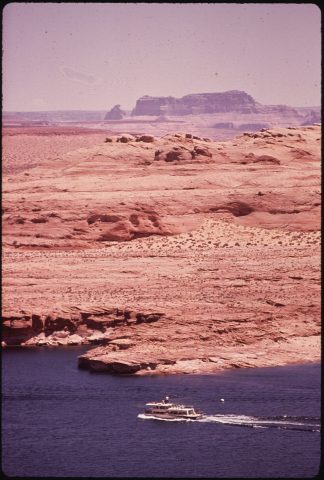
Reaching Rainbow Bridge isn’t a casual trip, and that’s part of what makes it special. Most visitors arrive by boat across Lake Powell, the vast reservoir created in the 1960s after the construction of Glen Canyon Dam. The journey from Wahweap Marina takes about two hours, winding past towering red cliffs and narrow side canyons where the water has flooded ancient riverbeds. The lake itself is a study in contrasts—smooth, blue, and modern against the jagged, timeless rock. For those who prefer land, a long hike is possible, but it requires a permit from the Navajo Nation and a full day’s commitment. The trail crosses desert terrain where the silence is broken only by the wind, and the landscape feels untouched, as if the earth has barely changed since the last rain.
To the Navajo people, Rainbow Bridge has always been more than a geological formation. Known as *Nonnezoshe*, or "rainbow turned to stone," it holds deep spiritual significance. Stories say it was formed by heroes who fought monsters to protect their people, and many believe the spirits of ancestors still linger here. Even today, the Navajo approach the site with reverence, and visitors are asked to do the same—no climbing on the arch, no loud noises, no leaving anything behind. Some ceremonies are still held in the area, though access is restricted. It’s a reminder that this place isn’t just a tourist attraction; it’s a living part of a culture that has existed here for centuries.
The scale of Rainbow Bridge is hard to grasp until you stand beneath it. At 290 feet tall, it’s nearly as high as a 30-story building, with a span of 275 feet. That makes it larger than the famous Delicate Arch in Utah, though not quite as massive as the world’s largest natural bridge in China. What’s astonishing is how delicate it looks up close—the arch narrows to just 42 feet at its thinnest point, a fragile curve of stone that seems to defy gravity. Geologists estimate it formed around 200 million years ago, when a river gradually wore away the softer layers of sandstone, leaving only the most resilient rock behind. Time has barely touched it since.
Lake Powell, which now borders Rainbow Bridge, is a more recent creation, filling the canyon after the completion of Glen Canyon Dam in 1963. The dam was controversial from the start—hailed as a triumph of engineering for providing water and power to the Southwest, but criticized for drowning landscapes that had taken millennia to form. Today, the lake is a playground for boaters, fishermen, and vacationers, but for those heading to Rainbow Bridge, it serves a different purpose: a gateway to something older and quieter. The water’s edge is where the modern world ends and the ancient one begins.
The best time to visit is early morning or late afternoon, when the light is soft and the heat isn’t oppressive. At these hours, the stone takes on warm, golden hues, and the shadows deepen the textures of the rock. Few people are around, so the silence feels complete. If you’re lucky, you might see the moment when sunlight spills across the arch, turning it into a glowing curve against the sky. But even on overcast days, Rainbow Bridge doesn’t lose its power. The muted colors and stillness create a mood that feels almost solemn, as if the land itself is reminding you of its age and strength.
There’s no infrastructure here—no gift shops, no cafes, not even a sign to tell you where to look. This isn’t a place for convenience or entertainment. It’s a place that demands attention, not just to the arch itself, but to the space around it. The lack of distractions makes it easier to notice the small details: the way the wind sounds different here, the texture of the sandstone under your fingers, the way the light changes as the day passes. You can sit on one of the boulders at the base of the arch and try to imagine all the people who have stood in this same spot over thousands of years—each of them, like you, momentarily humbled by something far greater than themselves.
What makes Rainbow Bridge unforgettable isn’t just its size or its beauty, but the way it makes you feel. It’s a place that doesn’t need explanations or captions. The rock has been here long enough to know that some things don’t require words. All it asks is that you show up, pay attention, and leave with the quiet understanding that the world is far older, far stranger, and far more enduring than we often remember. That’s enough.