- Home
- United States
- The Page
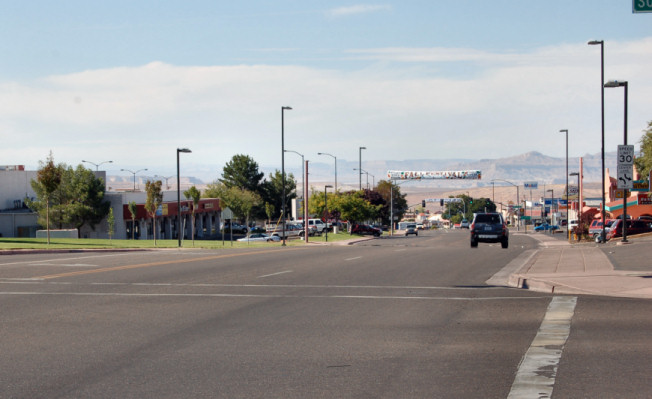
The Page
United States · 8 places
Photo: RJHall, CC BY-SA 3.0
Page isn’t the kind of place you stumble upon by accident—it’s the kind of town that feels like it was carved out of the desert itself, as if the land decided one day that it needed a human outpost after all. Born in the 1950s as a temporary camp for workers building the Glen Canyon Dam, it never grew into a sprawling city, and that’s part of its quiet appeal. Today, around seven thousand people call it home, while hundreds of thousands more pass through each year, drawn by the stark beauty of the surrounding red rock, endless skies, and the sense that civilization here is still just a thin layer over something much older and wilder.
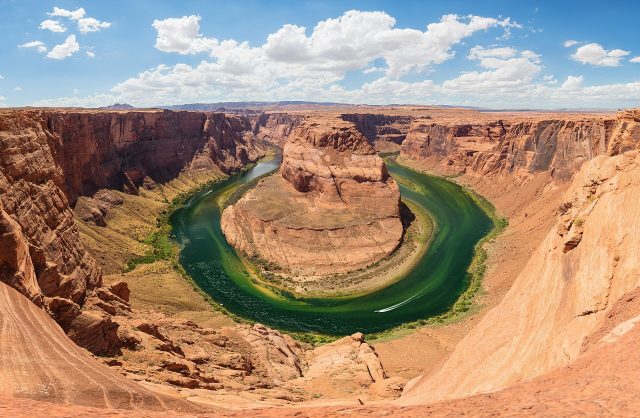
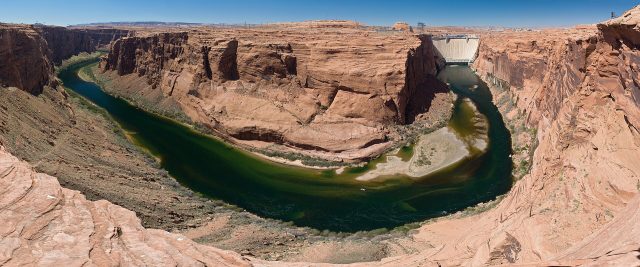
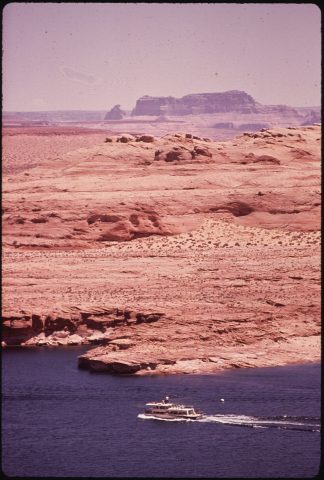
The Glen Canyon Dam is the reason Page exists, and it remains the town’s most imposing landmark. Towering higher than the Statue of Liberty, the dam tamed the Colorado River and gave birth to Lake Powell, a vast reservoir that stretches like liquid mercury between the canyon walls. Visitors come to walk across the dam’s crest, peer down at the churning water below, or simply stand on the overlooks and take in the way the river bends through the landscape, carving its own path through stone. In summer, the lake becomes a playground—houseboats drift along the shoreline, kayakers paddle through narrow side canyons, and families camp on the beaches, watching the stars appear one by one in the desert sky.
But Page is more than just a gateway to the dam. It’s the jumping-off point for some of the Southwest’s most breathtaking natural wonders. Just a short drive away, Antelope Canyon twists through the sandstone like a living sculpture, its walls glowing with shifting light as the sun moves overhead. The narrow slot canyons are a photographer’s dream, their curves and shadows creating moments of quiet magic. Nearby, lesser-known trails like Walnut Canyon and Hike Canyon offer their own rewards—long, winding paths through rock formations that feel untouched by time, where the only sounds are the crunch of gravel underfoot and the occasional cry of a hawk circling overhead.
Winter changes the desert in subtle ways. The air grows crisp at night, and the days, though still sunny, lose their scorching edge. Tourists thin out, leaving the canyons and overlooks quieter, almost private. Locals take advantage of the lull, fishing on Lake Powell or making the drive to the Grand Canyon, which is only a few hours away. Even Page itself takes on a different mood in the colder months—the red rock dusted with snow, the streets emptying early, the silence so complete that you can hear the wind whispering through the sagebrush. It’s a time when the desert feels even more vast, more untamed.
Life here moves at its own pace. There are no traffic jams, no crowded sidewalks, just wide-open spaces and a sense that time isn’t something to be rushed. The people are friendly, many of them transplants who came for the same reason visitors do—the pull of the landscape, the freedom of the open road, the way the desert makes everything else feel small. The town’s cafes serve hearty, no-frills meals, and the small shops stock the essentials for anyone heading out into the backcountry. By evening, the streets grow quiet, the kind of quiet that settles into your bones. Page isn’t for everyone—it’s too remote, too quiet, too much a place where the land dictates the rhythm. But for those who come looking for a break from the noise, it offers something rare: the chance to step outside of time, if only for a little while.
See & Do
All of them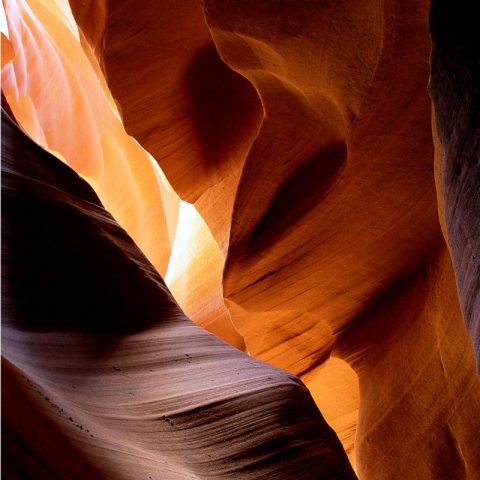
Places on the map
Marker colour follows the categoryClimate and weather
Detailed weather: The Page- Average temperature
- 17 °C
- Precipitation per year
- 127 mm
Average air temperature
°C
3
6
11
16
21
29
31
29
25
16
9
4
Jan
Feb
Mar
Apr
May
Jun
Jul
Aug
Sep
Oct
Nov
Dec