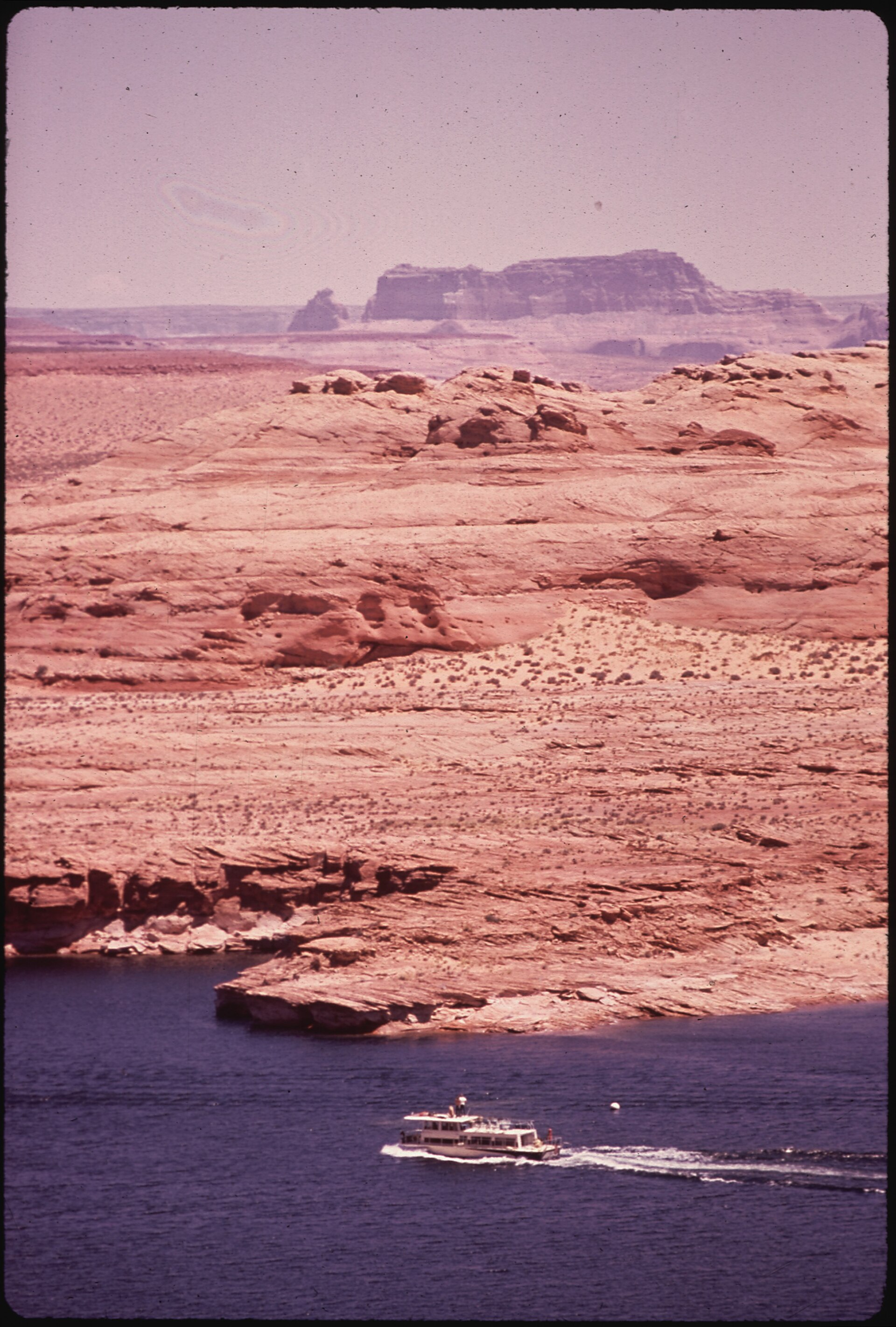
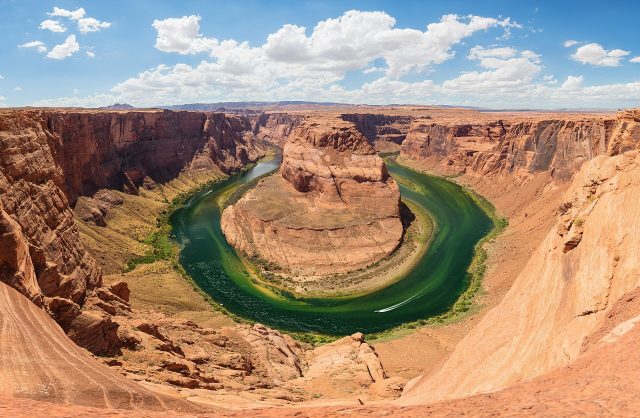
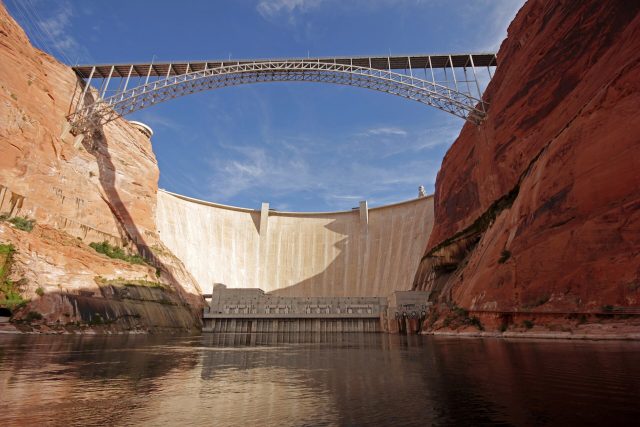
Lake Powell is one of those rare places where the desert and water collide in a way that feels almost intentional, as if nature carefully arranged every detail. Stretching across the border of Arizona and Utah, this man-made reservoir emerged in the mid-20th century when the Colorado River was dammed to create Glen Canyon. What exists now is a vast, winding expanse of water cutting through red rock, a maze of narrow canyons and hidden coves where the cliffs drop straight into the lake. There are no soft sandy beaches here—just sheer sandstone walls, dotted with stubborn pines and junipers, rising abruptly from the water. The effect is disorienting, like stepping into a landscape that doesn’t quite belong to this world.
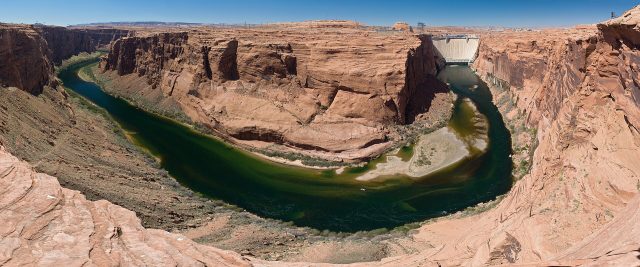
The lake’s creation was part of a larger story about the American West, a region shaped by both ambition and unintended consequences. Before the dam, this area was remote and largely untouched, a place where the Colorado River carved its way through deep canyons, feared for its unpredictable currents. In 1956, construction began on Glen Canyon Dam, a project meant to tame the river, provide water to arid states, generate power, and support agriculture. Filling the reservoir took nearly two decades, and in the process, parts of Glen Canyon—along with its unique ecosystems—were submerged. Today, Lake Powell stands as both an engineering marvel and a reminder of the trade-offs between progress and preservation.
For most visitors, the lake is best experienced from the water. The clarity of the lake is striking, its blue-green hue deepening under the desert sun. Kayaks and houseboats glide through narrow channels known as the "fjords of Powell," where the walls of the canyons rise so high that sunlight barely reaches the surface. Some stretches plunge over three hundred feet deep, while others open into quiet coves with small beaches, perfect for a picnic or an overnight camp. The water stays cool even in summer, offering relief from the scorching heat, and the silence is broken only by the occasional call of a bird or the lap of waves against the shore.
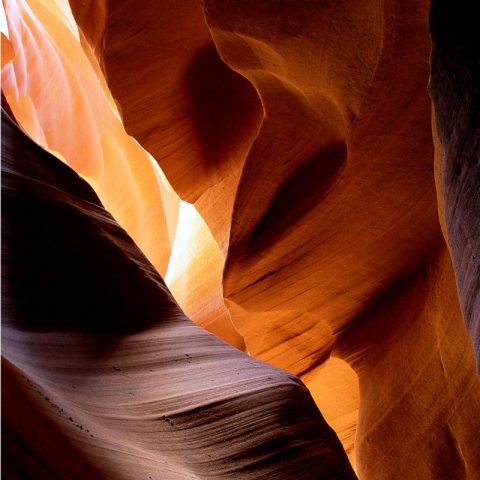
One of the most famous spots on the lake is Antelope Canyon, named for the winding rock formations that resemble the horns of the animals once common here. Nearby, Rainbow Bridge stands as one of the largest natural stone arches in the world, its span reaching 290 feet across. The bridge is accessible only by boat or a long hike through Navajo Nation land, and it’s especially striking at sunset, when the light turns the sandstone golden. The Navajo people consider the area sacred, and its quiet grandeur makes it easy to see why. Legends about the bridge have been passed down for generations, adding to its mystique.
The landscape around Lake Powell shifts dramatically depending on where you are. Near the dam, the terrain is harsh and exposed, with towering red cliffs and little shade. Strong winds often whip across the water, creating waves that give the lake an almost ocean-like feel. Farther south, the scenery softens—small bays offer shelter from the wind, and clusters of cottonwoods and reeds line the shore. Wildlife is sparse but present: ducks drift on the water, and if you’re quiet, you might spot a desert bighorn sheep on the rocks above. Summer temperatures can climb past a hundred degrees, but the water remains refreshingly cool, a small mercy in the heat.
This isn’t a place for those seeking resorts or crowds. Most visitors come for a few days, renting a houseboat or setting up camp along the shore. There are designated camping areas, but many prefer to find their own secluded spot, sleeping under the stars with nothing but the sound of water lapping against the rocks. At night, the sky over Lake Powell is breathtaking, the Milky Way stretching overhead in a way that’s hard to see anywhere else. It’s the kind of place where you can go days without seeing another person, where the vastness of the landscape makes everything else feel small.
For those who want a bit more comfort, the nearby town of Page offers hotels, restaurants, and supplies. Page itself is a gateway to some of the Southwest’s most famous parks—Bryce Canyon, Zion, and the Grand Canyon are all within reach. But many travelers come here specifically for Lake Powell, drawn by the promise of solitude and the chance to explore a landscape that feels untouched. There are no guided tours or tourist traps, just the open water and the quiet rhythm of the desert.
The best time to visit is between spring and fall, when the weather is mild enough for boating and camping. Spring brings wildflowers and cooler water, while summer is ideal for swimming and long days on the lake. By autumn, the heat has eased, and the cottonwoods turn gold against the red rock. Winter is quieter, with fewer visitors and a stark beauty all its own, though the water is too cold for most, and some roads may close due to snow. It’s a season for those who want to experience the lake in its most peaceful state, when the silence feels almost tangible.
Lake Powell is a place that leaves you with mixed feelings. It’s a testament to human ingenuity, but also a reminder of what was lost when the canyon was flooded. At the same time, it’s a landscape of raw, untamed beauty, where the desert and water create something entirely unique. There are no grand attractions here, no amusement parks or guided experiences—just the quiet, the water, and the endless red rock. It’s not for everyone, but for those who come, it offers something rare: the chance to disappear into a world that feels both ancient and entirely new.