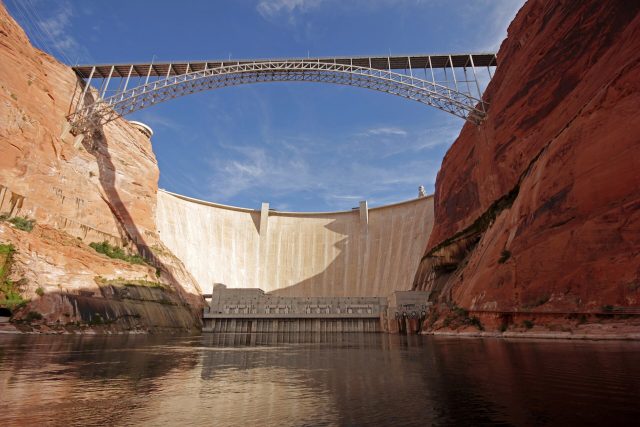
Glen Canyon Dam is one of those rare structures that reshapes not just the land, but the way people see it. Built in the mid-20th century across the Colorado River, it stands as a monument to an era when humanity sought to harness nature’s raw power for water and electricity. Today, it draws more than just engineers and hydrologists—it attracts anyone curious about the meeting point of human ambition and the untamed grandeur of the American West.
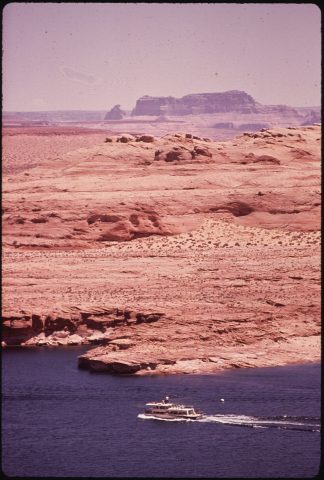
Construction began in 1956 and wrapped up a decade later, when the final cubic yards of concrete were poured into the dam’s massive form. The project was part of a broader effort to develop the arid western states, where water had always been scarce. Filling Lake Powell, the reservoir named after explorer John Wesley Powell, took nearly twenty years. Now, the lake stretches for hundreds of miles, submerging canyons that were once part of a wild, untouched landscape. The water’s surface is deceptively calm, hiding the deep gorges and rock formations beneath.
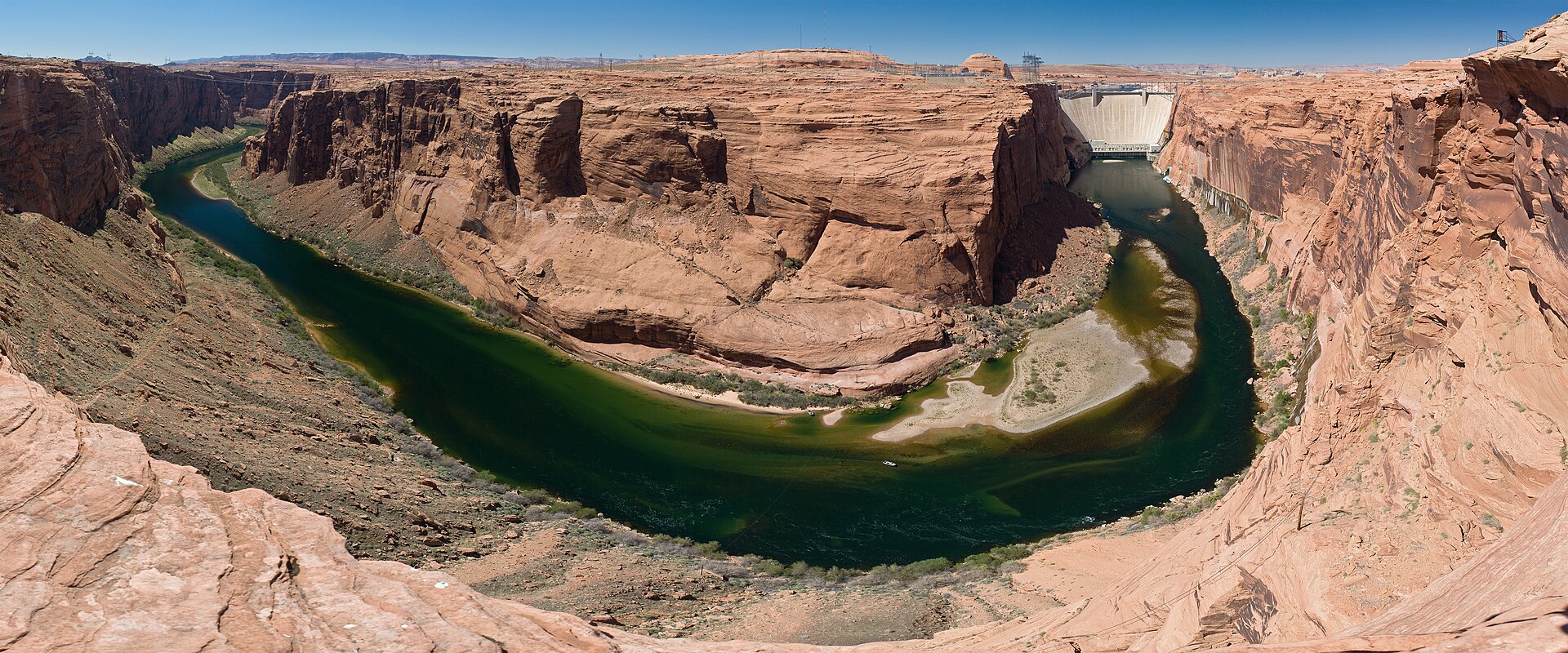
The dam itself is an imposing sight. Standing nearly 250 meters tall with a crest spanning over 400 meters, it’s taller than the more famous Hoover Dam, though not as powerful in terms of energy output. Unlike its southern neighbor, Glen Canyon doesn’t draw the same crowds, which makes it easier to appreciate the details—the precision of the concrete blocks, the scale of the structure, the way it blends into the rugged surroundings. Viewing platforms offer a chance to take it all in, to stand at the edge of something both man-made and monumental.
The town of Page, just a short drive away, grew up alongside the dam. Founded to house the workers and their families, it’s a quiet place with a no-frills charm. There are no skyscrapers or bustling boulevards, just a handful of streets where life moves at a slower pace. It feels like a town that exists in a kind of limbo, waiting for the next visitor to pass through on their way to somewhere else. The people here are used to travelers stopping briefly before heading out to explore the surrounding desert.
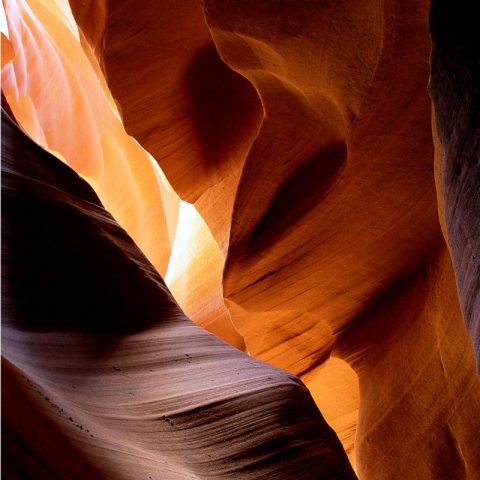
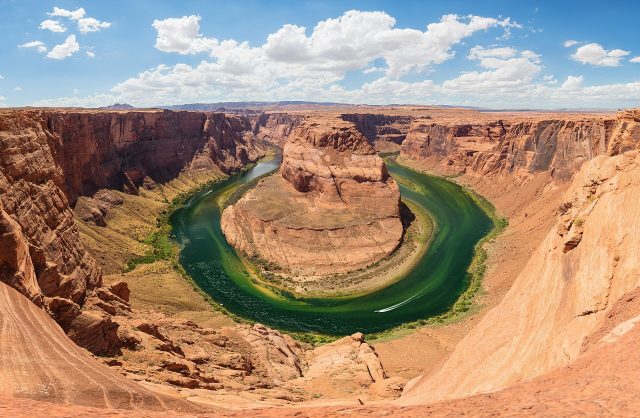
The area around the dam is a landscape of red rock, deep canyons, and vast open spaces. Lake Powell has become a popular spot for boating and fishing, though the water stays chilly even in summer. For those who prefer dry land, nearby canyons offer hiking trails that lead to hidden caves and ancient petroglyphs. Some of these sites still bear traces of the Indigenous peoples who lived here long before the dam was built. Local guides often point out the remnants of their presence—rock art, tools, and other artifacts that hint at a way of life that once thrived in these canyons.
Glen Canyon Dam’s significance goes beyond its engineering. It’s a key part of the region’s water and power infrastructure, supplying electricity to cities and farms hundreds of miles away. Yet its construction was controversial from the start. Environmentalists and conservationists have long criticized the project for disrupting the river’s ecosystem, wiping out unique plant and animal species, and flooding culturally significant lands. The debates over its impact continue to this day, a reminder that even the most ambitious projects come with consequences.
Visiting the dam isn’t just about seeing a marvel of modern engineering—it’s a chance to reflect on the relationship between people and the natural world. The contrasts here are striking: concrete against stone, water against desert, the past against the present. Standing on the observation deck, watching the smooth surface of the lake stretch out toward the jagged canyon walls, it’s easy to lose track of time. The scale of the place makes everyday concerns feel small in comparison.
For those who want to dig deeper, the visitor center offers documentaries and exhibits on the dam’s construction and the history of the region. There are stories about how the landscape changed after the dam was built, and what’s being done to preserve the delicate balance of the ecosystem. But even without the exhibits, the place speaks for itself. The rush of water through the spillways, the silence of the canyons—it all carries a sense of something ancient and enduring.
Glen Canyon Dam is more than just a tourist stop. It’s a place where different eras and worlds collide, where progress and preservation exist side by side. It doesn’t just leave visitors with photos—it leaves them with questions, the kind that don’t always have easy answers. Maybe that’s why people keep coming back, to stand at the edge of the water and wonder what it all means.