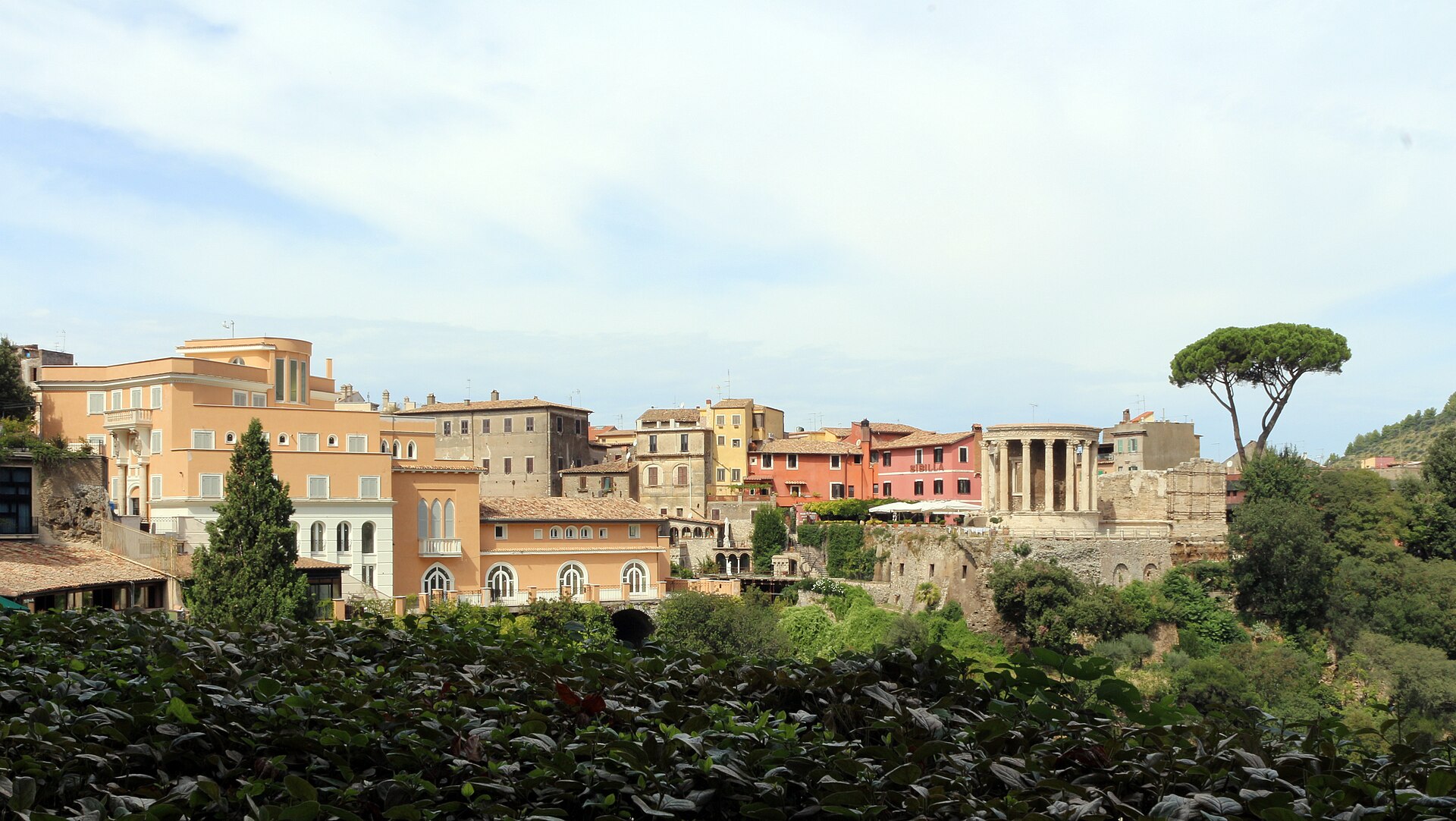
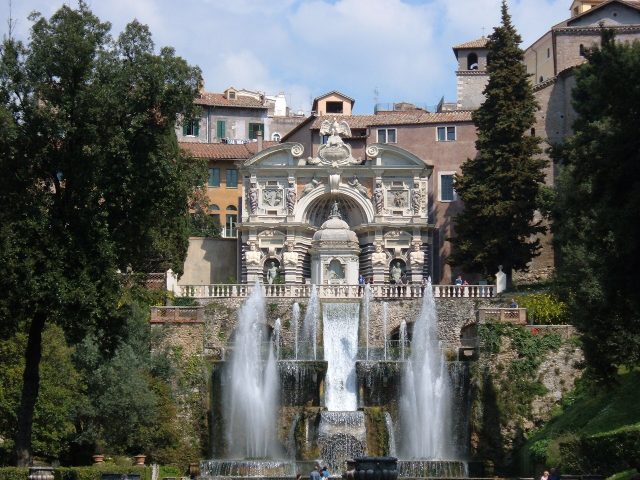
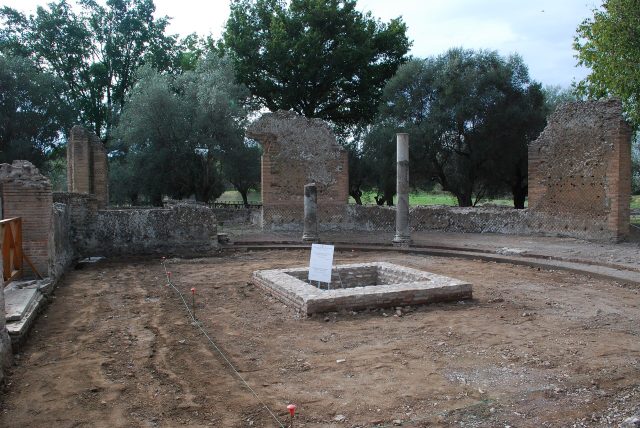
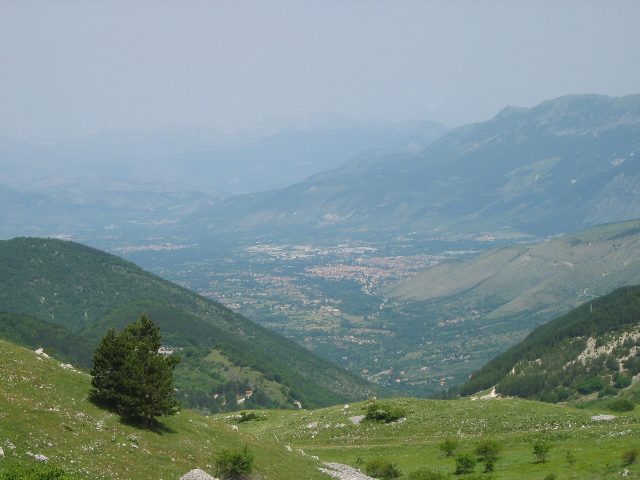
Tivoli’s Villa Gregoriana is one of those rare places where nature and history intertwine so seamlessly that it’s hard to say which leaves a deeper impression—the raw beauty of the landscape or the ingenuity of human hands. Perched on a hillside above the Aniene River, this area is best known for its dramatic waterfalls, hidden grottos, and winding paths that lead through dense greenery to cliffs and viewpoints. Though little remains of the grand villa that once stood here, the name has endured, a nod to the days when Tivoli was a favored retreat for Rome’s elite.
The story of Villa Gregoriana begins long before any structures were built. The Aniene River, which cuts through Tivoli, has always been both a lifeline and a force of destruction. Its turbulent waters have caused floods that swept away bridges and homes for centuries. In the 19th century, Pope Gregory XVI sought to tame the river, and in 1835, work began on an ambitious system of tunnels and canals designed to divert its flow and prevent disasters. The project reshaped the entire valley, creating waterfalls of astonishing beauty and exposing rocky cliffs that had long been hidden beneath the river’s surface. What emerged was a landscape transformed—not just by engineering, but by the sheer power of water carving its way through stone.
The centerpiece of Villa Gregoriana is the Great Waterfall, or Cascata Grande, which plunges nearly a hundred meters in two thunderous streams. On sunny days, mist rises from the falls like a veil, and rainbows often shimmer in the spray. The roar of the water can be heard long before the falls come into view, a constant reminder of the river’s untamed force. Nearby, the Lesser Waterfall offers a gentler but equally striking sight, its cascades framed by lush vegetation. Together, they capture the raw energy of the Aniene as it rushes down from the mountains, finally breaking free in a spectacle of sound and motion.
Exploring the park feels like navigating a labyrinth of paths, bridges, and staircases that twist and turn, revealing new perspectives at every turn. One of the most famous routes leads through the Grotto of the Sibyl, an artificial cave carved into the rock in ancient Roman times. According to legend, this was the dwelling of a sibyl, a prophetess whose visions were revered across Italy. Inside, the air is cool even on the hottest days, and the walls glisten with moisture. From here, the view opens up to the river winding through the valley below, a moment that feels suspended in time.
While the park’s natural features are its main draw, the remnants of human history add another layer to the experience. Fragments of ancient Roman aqueducts, once part of the vast network that supplied water to Rome, can still be seen along the trails. There are also traces of medieval structures, though they’ve long since been reclaimed by the landscape. In the 19th century, when the park was first developed, small pavilions, bridges, and viewpoints were added in a romanticized classical style. These elements don’t dominate the scene but instead blend into it, enhancing the sense of harmony between man and nature. One of the most intriguing features is the Via dei Septimi, a road carved into the rock that follows the path of an ancient Roman route.
Villa Gregoriana is a place to wander without hurry, to let the sights and sounds sink in. Unlike the crowded streets of Rome or Florence, Tivoli offers a quieter pace, a chance to step away from the noise of modern life. In summer, the park is a sea of green, while autumn turns the foliage into shades of gold and crimson. Winter brings a different kind of beauty, with the waterfalls at their most powerful, and spring covers the valley in wildflowers. No matter the season, the atmosphere is one of quiet vitality—a place where the past feels close enough to touch.
For the people of Tivoli, Villa Gregoriana is more than just a tourist attraction; it’s a part of their heritage. The town has always been tied to the river, which shaped its history in countless ways. Ancient temples dedicated to water goddesses once stood here, and later, Roman emperors built villas in Tivoli as retreats from the heat and bustle of the capital. In the Middle Ages, the town became an important stop for pilgrims traveling to Rome, its strategic location making it a crossroads of faith and culture. Today, the park stands as a living record of these eras, a place where the echoes of the past are still felt.
A visit to Villa Gregoriana is as much about connecting with history as it is about enjoying nature. Every path, every rock seems to carry traces of those who came before—whether it’s the ancient Romans who carved roads into the cliffs or the 19th-century engineers who redirected the river. This isn’t a place for those seeking excitement or spectacle; it’s for those who appreciate stillness, beauty, and the quiet dialogue between the land and the people who have shaped it. You might spend an hour sitting on a bench, watching the waterfall, or follow a trail down to the river’s edge to feel its cool spray. Either way, it’s the kind of place that lingers in the memory, a reminder of how much can be found in a landscape when you take the time to look.