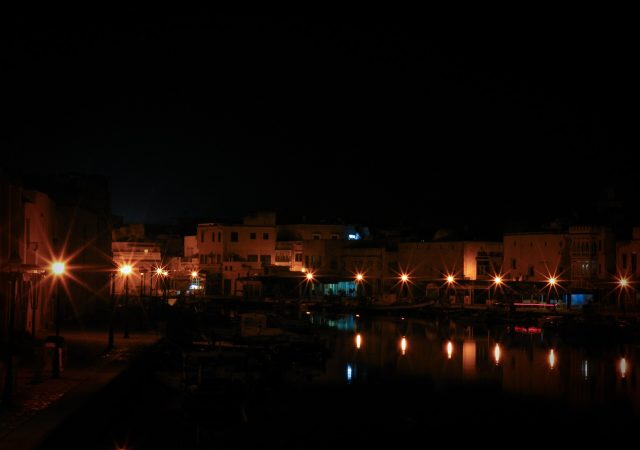
Utica is one of those rare places where the past doesn’t just linger—it breathes. Tucked away near the modern city of Bizerte, this ancient settlement was once a cornerstone of the Mediterranean world, the first Phoenician colony in what is now Tunisia. Today, its ruins offer a quiet invitation to step back in time, to imagine the city in its prime when it stood as a rival to Carthage, shaping the fate of the region.
Founded by the Phoenicians in the 12th century BCE, Utica quickly became a vital hub in the network of trade routes connecting the Levant to the western Mediterranean. Its location along the coast made it a natural crossroads for merchants, sailors, and travelers, a place where goods, ideas, and cultures intersected. While Carthage would later overshadow it in power and grandeur, Utica retained its own distinct identity—as a strategic stronghold, a center of craftsmanship, and a melting pot of influences that left their mark on its streets and buildings.
The ruins that remain today are only a fraction of what Utica once was, but they tell a compelling story. Among the most striking are the Roman baths, built in the 2nd century CE, their scale and intricate design a testament to the city’s continued importance long after Carthage fell. Mosaics unearthed here reveal scenes from mythology, maritime life, and daily existence, their craftsmanship so precise that they feel almost alive. Nearby, fragments of city walls and necropolises hint at the layers of history buried beneath the earth, where generations of inhabitants were laid to rest.
Yet Utica’s story isn’t just one of Roman dominance. Before the legions arrived, the city thrived under Phoenician and Punic rule, its fortunes shifting with the tides of power. It was here, according to legend, that Rome celebrated its final victory over Carthage in 146 BCE. For a brief period afterward, Utica even served as the capital of the Roman province of Africa, until that role was transferred to a new city built atop the ruins of its old rival. The irony of history is palpable in these stones.
What makes Utica special today is its quiet, unassuming presence. Unlike the more famous ruins of Carthage or Dougga, it sees few visitors, allowing for a more intimate encounter with the past. You can wander among the weathered stones, tracing the outlines of streets, temples, and homes, while the wind carries the scent of olive groves from the surrounding hills. The site is still an active archaeological zone, with new discoveries emerging each year, slowly filling in the gaps of what we know about this ancient place.
The setting adds to the sense of timelessness. Perched on a low hill a few kilometers from the sea, Utica was once a coastal city with a natural harbor, though the lagoon that sheltered its ships has long since receded. Now, the landscape is one of rolling fields and olive trees, a peaceful backdrop that contrasts with the weight of history beneath your feet. As the sun sets, the ruins take on a golden hue, and the shadows stretch long across the ground—it’s easy to imagine the city as it once was, bustling with life.
Utica isn’t just a collection of ruins; it’s a place where history feels tangible. A chipped column still bearing traces of carving, a mosaic floor depicting dolphins, the remnants of an aqueduct that once carried water—each fragment offers a glimpse into the lives of those who walked these streets centuries ago. Much of the city remains buried, waiting to be uncovered, but even what’s visible is enough to convey its former significance.
Visiting Utica is a chance to see Tunisia beyond the usual tourist trail. There are no crowded markets, no beachfront resorts, no vendors vying for attention. Just silence, the rustle of leaves, and the quiet weight of the past. It’s a place that doesn’t demand your awe but earns it, offering a rare opportunity to connect with history in a way that feels personal and unscripted. Perhaps that’s why Utica remains one of the country’s most underrated treasures—it doesn’t shout its importance, but for those who take the time to listen, it speaks volumes.