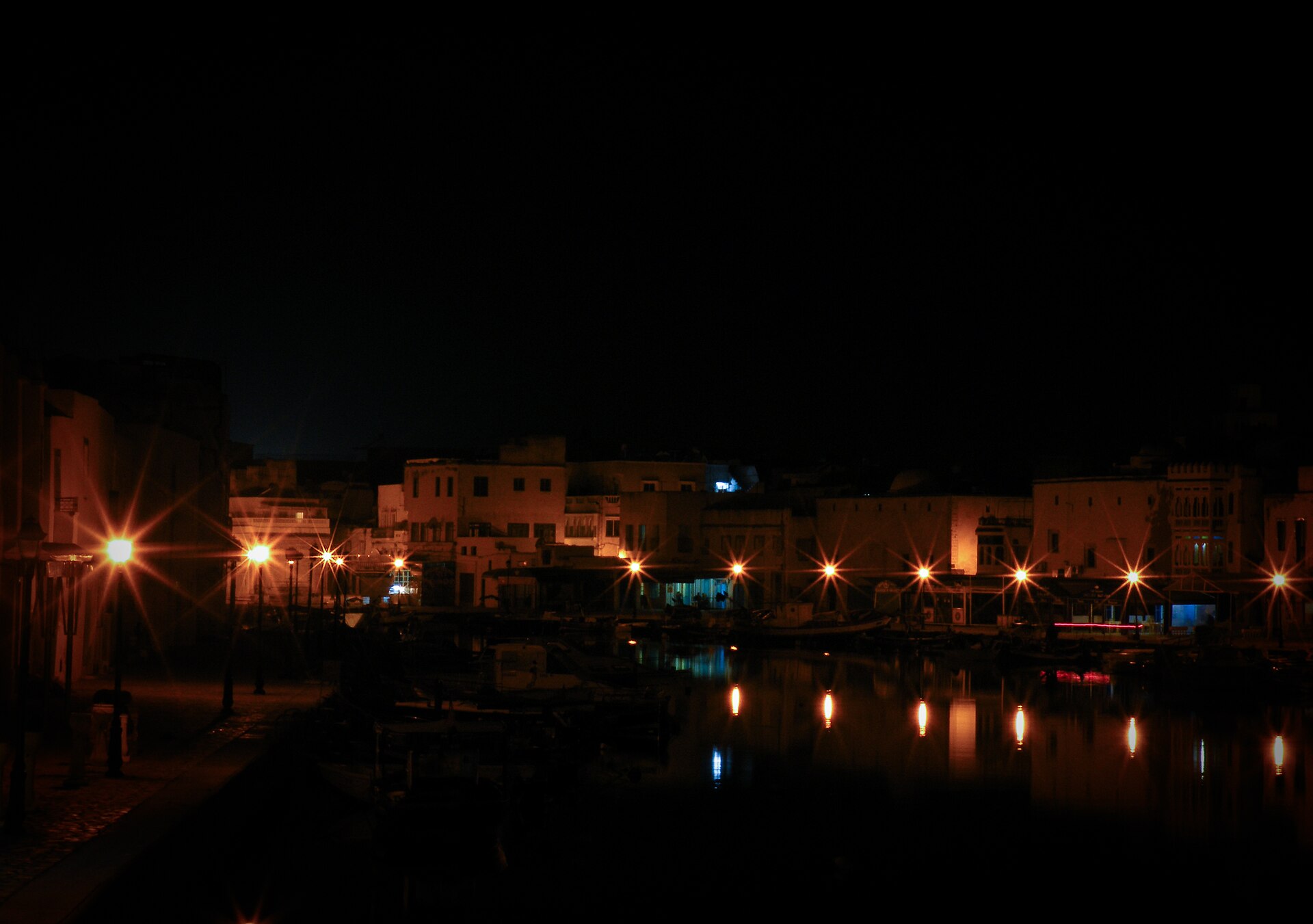
The old port of Bizerte is one of those places where time seems to move at its own pace, untouched by the rush of modern life. Nestled in the northernmost city of Tunisia, it carries the weight of centuries in its weathered stones and salt-stained wooden piers. Unlike the polished marinas of more tourist-driven destinations, this port feels lived-in, a working part of the city rather than a postcard scene. Fishing boats, their hulls patched and repainted countless times, bob gently in the water, while the scent of diesel and the sea mingles with the aroma of grilled sardines from nearby stalls. It’s a place where the past and present coexist without fuss, where the rhythm of daily life hasn’t changed much since the days when Phoenician traders first dropped anchor here.
Bizerte itself is a city of layers, and the old port is where many of them are most visible. The Phoenicians, those master navigators of the ancient world, recognized its strategic value early on, establishing a settlement that would later be claimed by the Romans, the Byzantines, and the Arabs. Each left their mark, though much of what remains today bears the imprint of the Ottoman era, when Bizerte flourished as a naval stronghold. The port’s layout, with its narrow channels and fortified quays, still hints at its military past, though now it serves a quieter purpose. Fishermen mend their nets in the same spots where sailors once prepared for battle, and the old customs house, its arches worn smooth by time, stands as a silent witness to the city’s shifting fortunes.
Walking along the waterfront, you notice how the port is framed by the city’s architecture. To the east, the medina’s whitewashed walls rise in a tangle of alleys, their blue-painted doors and ironwork balconies a nod to Andalusian influences. To the west, the French colonial buildings—wide boulevards, shuttered windows, and the occasional art deco flourish—speak of a more recent chapter in Bizerte’s history. The port sits at the intersection of these worlds, a place where the old city’s labyrinthine charm meets the ordered elegance of the colonial era. It’s not a grand or imposing space, but that’s part of its appeal. There’s a humility here, a sense that the port has always been more about function than spectacle.
The water in the old port is a shifting palette of blues and greens, reflecting the sky one moment and the hulls of boats the next. On clear days, the Mediterranean stretches out endlessly, its surface shimmering under the North African sun. But the port’s charm isn’t just in its views. It’s in the details—the way the light catches the rust on a fisherman’s hook, the sound of seagulls squabbling over scraps, the way the evening call to prayer drifts over the water from the nearby mosque. Locals come here to escape the heat, sitting on the low walls that line the quay, sipping mint tea from small glasses. There’s no grand promenade, no manicured gardens, just a stretch of pavement where people gather to talk, fish, or simply watch the world go by.
One of the port’s most enduring features is its role as a gateway to the sea. For centuries, Bizerte was a key stop on Mediterranean trade routes, and while its commercial importance has waned, the port still connects the city to the outside world. Small ferries shuttle passengers to the nearby island of La Galite, a rocky outcrop where time seems to have stood still. The island, with its abandoned lighthouse and wild, windswept shores, feels like a world apart, yet it’s just a short boat ride from the bustle of the port. For those who prefer to stay on land, the old port offers a glimpse into Tunisia’s maritime traditions. The fishing industry here is small but vital, and the daily catch—swordfish, tuna, octopus—ends up in the city’s markets and restaurants, where it’s transformed into simple, flavorful dishes.
The port’s atmosphere changes with the seasons. In winter, when the Mediterranean is at its most temperamental, the water churns against the quay, and the wind howls through the rigging of the boats. It’s a quieter time, when the port belongs mostly to the locals, who go about their business with the unhurried pace of those who know the sea’s moods. Summer brings a different energy. The days are long and lazy, the air thick with the scent of salt and sun-warmed stone. Tourists, though not in overwhelming numbers, drift down from the medina or the beaches of the nearby coast, drawn by the port’s unpretentious charm. They linger at the small cafés that spill onto the pavement, where the coffee is strong and the conversation flows as freely as the sea breeze.
What makes the old port of Bizerte special isn’t any single landmark or attraction. It’s the way it feels like a living, breathing part of the city, a place that hasn’t been sanitized for visitors or turned into a museum piece. The buildings here are functional rather than grand, the streets worn smooth by generations of footsteps. There’s a sense of continuity, as if the port has always been here, adapting to the needs of the people who rely on it. Even the occasional modern intrusion—a new café, a freshly painted boat—feels organic, a natural evolution rather than a disruption.
For those who take the time to explore, the old port offers more than just a pretty view. It’s a window into the soul of Bizerte, a city that has always looked outward, toward the sea. The port’s history is written in its stones, its water, its people, and while it may not have the fame of other Mediterranean harbors, it has something rarer: authenticity. It’s a place where you can sit on a bench, watch the boats come and go, and feel the weight of centuries pressing gently against your back. No fanfare, no grand gestures, just the quiet, enduring rhythm of life by the water.