
Bizerta
Tunisia · 4 places
Photo: Letaief, CC BY 3.0
Bizerte is one of those places where history isn’t just remembered—it lingers in the air, in the worn stones underfoot, in the way the sea seems to narrate the city’s past. Tucked away in northern Tunisia, it sits at a crossroads of eras, where ancient ruins brush shoulders with colonial facades, and the labyrinthine alleys of the old town spill into a bustling modern port. Unlike the flashier resorts along the eastern coast, Bizerte moves to a quieter rhythm, its charm unfolding slowly for those willing to pause and look closer.
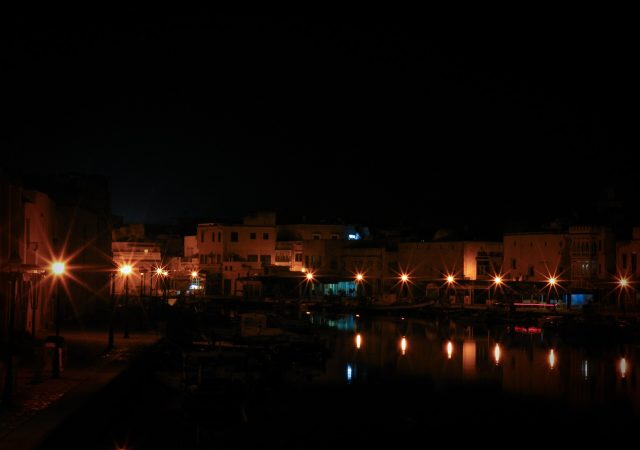
The heart of the city beats in the Medina, where time feels suspended. Narrow, cobblestone streets wind between whitewashed houses with wooden balconies, their shutters painted in faded blues and greens. Small shops spill onto the pavement, selling everything from fragrant spices to handmade ceramics, while the scent of olive oil and grilled sardines drifts through the air. There’s no tourist hustle here—just the unhurried pace of daily life. Locals haggle over prices at the market, sip mint tea in the shade of orange trees, and gather in the evenings at Place Sidi Salem, where musicians play and the aroma of fried fish mingles with jasmine. Climb the old fortress walls, and the view stretches over the harbor, where fishing boats bob gently in the water that once carried pirate ships.
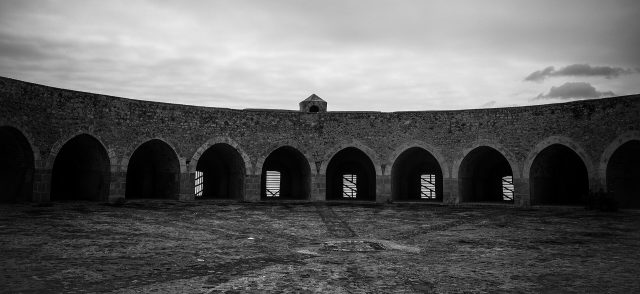
The sea has always shaped Bizerte’s identity. Founded by the Phoenicians as a trading post, the city has been a maritime crossroads for centuries, its fate tied to the waves. Romans, Arabs, Ottomans, and later the French all left their mark, and today the port remains one of Tunisia’s liveliest. Watching the morning catch come in, or seeing the quay buzz with activity as vendors set up their stalls, is a reminder of how deeply the city’s pulse is linked to the water. The best vantage point is Fort Sidi el-Hani, built in the 17th century atop Roman foundations. From here, the view sweeps across the bay, where the sea shifts from pale blue at dawn to molten gold at sunset.
Just beyond the city lies Lake Bizerte, a vast, shallow expanse separated from the Mediterranean by a slender strip of sand. It’s a haven for birds—flamingos, pelicans, and countless other species nest along its shores, their calls echoing over the salt flats and quiet villages. In summer, the lake draws visitors for its warm, calm waters, but even at the height of the season, it retains a sense of solitude. Come winter, the crowds thin, and the only sounds are the rustle of reeds and the distant cry of a heron taking flight.
Bizerte is a city of contrasts, where the old and new coexist without fanfare. There are no crowds chasing the perfect photo, no scripted tourist experiences—just the authentic cadence of Tunisian life. You might spend the morning wandering the Medina’s alleys, then head to the beach, where the sand still holds the day’s warmth, or linger at a waterfront café as the light softens over the water. Time here moves differently—slower, deeper—and that’s why the city stays with you long after you’ve left.
See & Do
All of them

Places on the map
Marker colour follows the categoryClimate and weather
Detailed weather: Bizerta- Average temperature
- 20 °C
- Precipitation per year
- 467 mm
Average air temperature
°C
12
13
14
16
20
25
28
28
26
22
17
14
Jan
Feb
Mar
Apr
May
Jun
Jul
Aug
Sep
Oct
Nov
Dec


