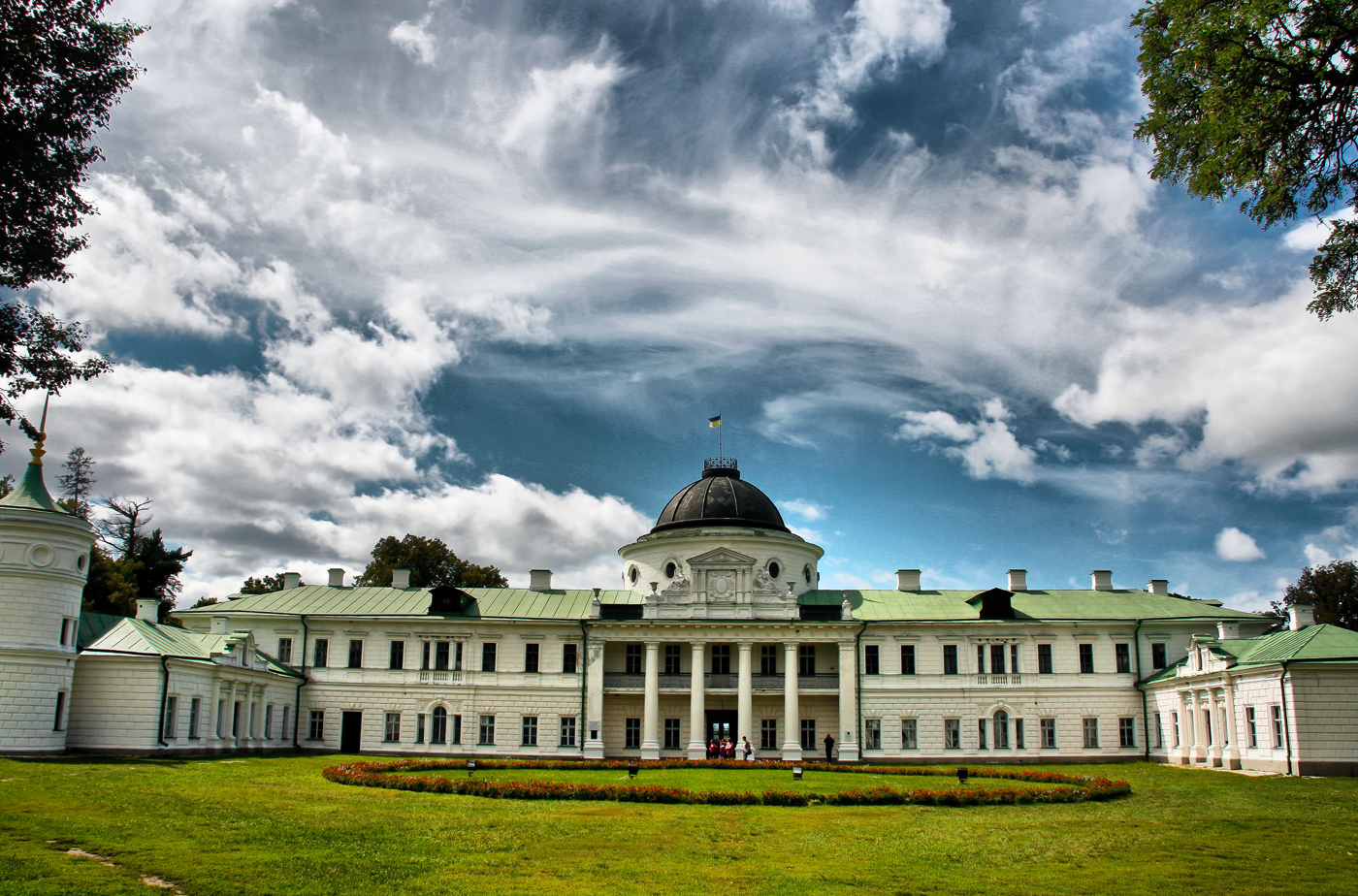
Kachanivka is one of those rare places where time seems to slow down, allowing you to step into a world that feels both distant and strangely familiar. Tucked away in the rolling hills of Chernihiv Oblast, this estate was once the heart of Ukrainian aristocratic life, a retreat where art, nature, and history intertwined. The Tarnovsky family, who shaped its legacy in the 19th century, turned Kachanivka into more than just a country residence—it became a cultural sanctuary, a place where ideas flourished and creativity found its home.
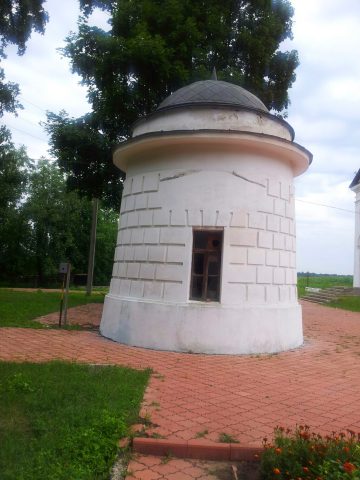
The estate’s architecture tells a story of gradual evolution, blending styles and influences across generations. The main manor house, with its neoclassical columns and balanced proportions, stands as a testament to the elegance of a bygone era. But the estate is more than just its grand facade. Scattered around the grounds are outbuildings—greenhouses, stables, and servants' quarters—each with its own character. The old church, built in the early 1800s, is particularly striking, its restrained design harmonizing with the landscape as if it had always been part of it.
Vasyl Tarnovsky, the estate’s most famous owner, was a man of refined tastes and deep cultural passions. He didn’t just collect art; he surrounded himself with it, filling Kachanivka with paintings, rare books, and historical artifacts. His home became a gathering place for Ukraine’s creative minds—Taras Shevchenko, Mykola Hohol (Gogol), and Mykhailo Vrubel all spent time here. Shevchenko, inspired by the estate’s serene beauty, painted some of his works during his visits. The collection Tarnovsky amassed was so vast that it later formed the foundation of several major museums in Kyiv and Chernihiv.
The park surrounding the estate is a masterpiece in its own right. Designed in the English landscape style, it feels like a natural extension of the countryside, with winding paths leading to hidden clearings, quiet ponds, and small bridges. Pavilions and sculptures peek through the greenery, inviting visitors to wander and explore. In spring, the air is thick with the scent of blooming chestnuts and lilacs, while autumn turns the leaves into a fiery palette of gold and crimson. Even in winter, the park has a quiet magic, its snow-covered trees and frozen ponds creating a scene straight out of a fairy tale.
The 20th century brought hardship to Kachanivka. After the revolution, the estate was nationalized, and its treasures scattered. During World War II, it served as a hospital, and later, a sanatorium. Many of the buildings fell into disrepair, but restoration efforts have since brought parts of the estate back to life. Today, the manor house functions as a museum, where visitors can see original furnishings, portraits, and documents that offer a glimpse into the lives of the Tarnovsky family and their illustrious guests.
What makes Kachanivka special is the way it preserves the past without feeling like a relic. Walking through the park or stepping into the manor’s rooms, you can almost hear the echoes of conversations that once took place here—the debates of artists, the rustle of pages in the library, the clink of glasses during an evening gathering. The estate doesn’t just display history; it makes you feel part of it, as if the stories of those who lived here are still lingering in the air.
Kachanivka remains a living space, not just a monument. The traditions of the Tarnovsky era continue in the form of concerts, literary readings, and guided tours. The estate has a way of drawing people back—those who visit once often find themselves returning, as if pulled by the quiet allure of the place. It’s not just the architecture or the art that stays with you; it’s the sense of stepping into a world where time moves differently, where the past and present coexist in harmony. For anyone who appreciates history, beauty, or simply the peace of a well-loved place, Kachanivka is a destination that lingers in the memory long after you’ve left.