Kachanivka is one of those rare places where time seems to pause, allowing you to step into a world that feels both distant and strangely familiar. Nestled in the rolling landscapes of northern Ukraine, this estate once stood as a symbol of aristocratic grandeur, a retreat for the elite of the Russian Empire. Today, it remains a remarkably well-preserved testament to the elegance and cultural richness of the 19th century, where every path, every building, and every tree carries the weight of history.
The story of Kachanivka begins in the 18th century, when these lands were part of the vast holdings of Polish magnates. But its golden age came later, under the ownership of Pyotr Rumyantsev-Zadunaisky, a celebrated Russian military leader and statesman. It was Rumyantsev who transformed Kachanivka into a model estate, blending opulence with refined taste. His son, Nikolai Rumyantsev, inherited the property and expanded it further, turning it into a hub of intellectual and artistic life. By the 19th century, Kachanivka had become a gathering place for some of the era’s most brilliant minds—poets, composers, and painters who shaped the cultural landscape of the time. Taras Shevchenko, Nikolai Gogol, and Mikhail Glinka were among those who walked its paths, leaving behind an intangible legacy that still lingers in the air.
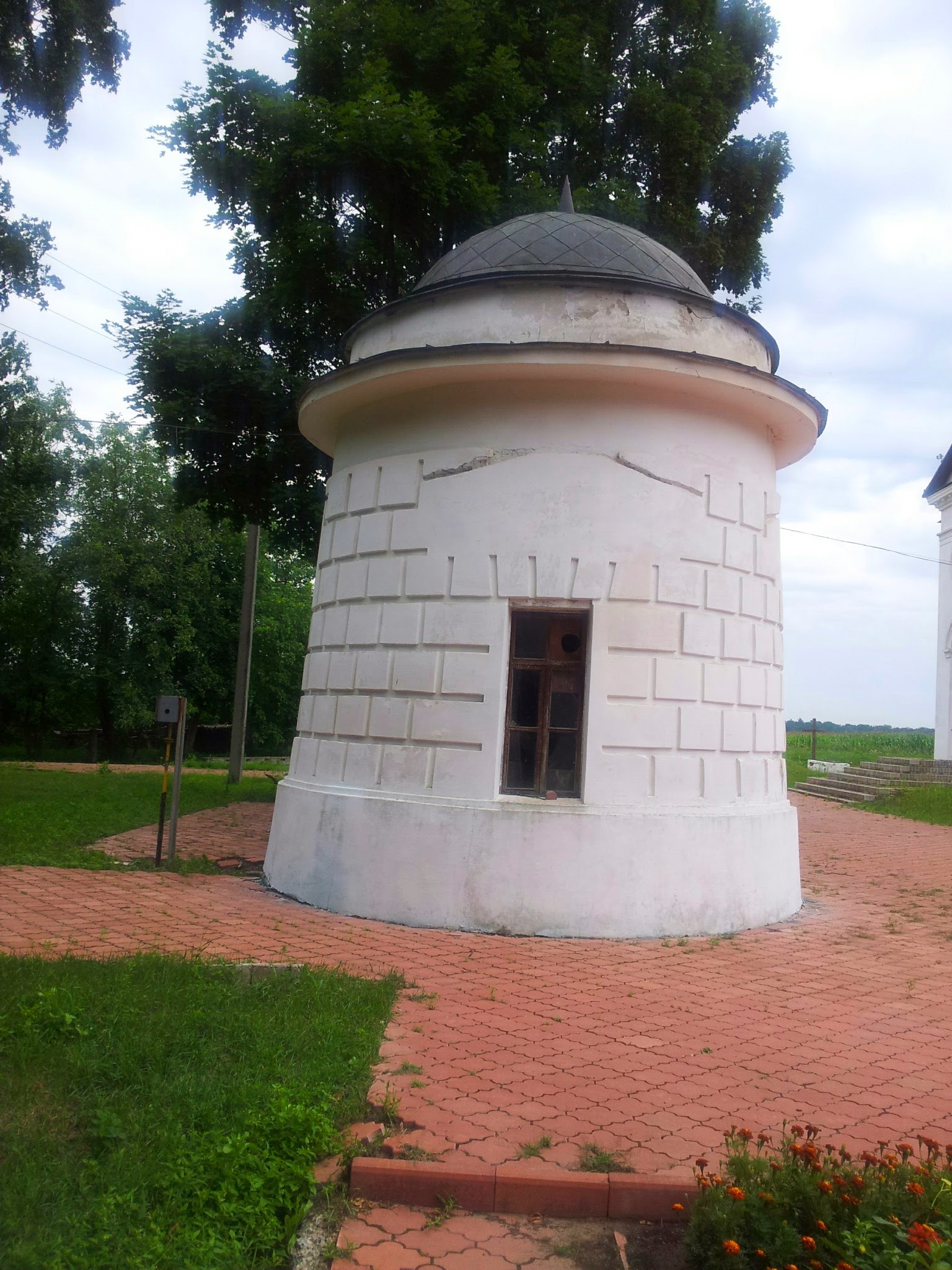
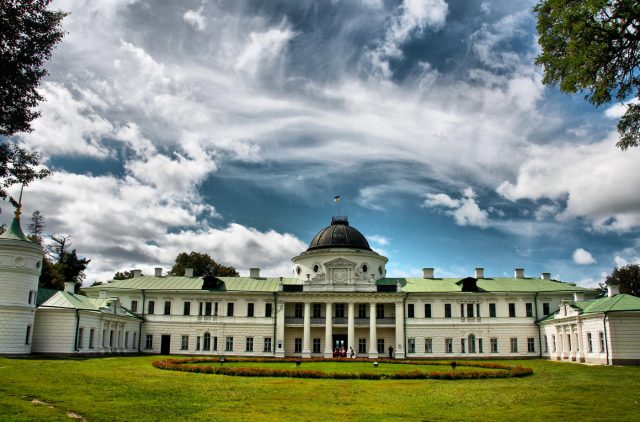
The architectural ensemble of Kachanivka is a masterful fusion of neoclassical symmetry and romantic whimsy. The main manor house, built in the early 1800s, stands as the centerpiece, its facade adorned with columns and delicate stucco work. Inside, the interiors retain much of their original splendor—high ceilings, intricate parquet floors, and grand fireplaces that once warmed the gatherings of high society. The grand staircase, a focal point of the house, leads to the upper floors where balls and receptions were once held. Flanking the main building are the outbuildings—greenhouses, servants' quarters, and stables—each designed in harmony with the estate’s aesthetic, creating a cohesive vision of aristocratic life.
Yet the true heart of Kachanivka lies in its park, a sprawling 100-hectare masterpiece of landscape design. Planned in the late 18th century, the park evolved over decades into a romantic retreat, where nature and artifice intertwine seamlessly. Winding paths lead visitors through dense groves, past tranquil ponds, and over delicate bridges. There are grottos and artificial ruins, remnants of a time when such features were meant to evoke a sense of melancholic beauty. The centerpiece is the Great Pond, with its tiny Island of Love, connected to the shore by an elegant arched bridge. The park is home to rare trees and shrubs, some brought from distant lands, their leaves whispering stories of the past with every breeze.
Kachanivka was never just a private retreat; it was a cultural beacon. In the 19th century, the estate hosted literary evenings, concerts, and art exhibitions, drawing creative minds from across the empire. The Rumyantsev family amassed an impressive collection of art, books, and manuscripts, some of which remain on display in the estate’s museum today. After the revolution, the property was nationalized, and during the Soviet era, it served various institutional purposes. Remarkably, the estate survived these changes largely intact, its architectural and natural beauty preserved against the odds. In 1981, Kachanivka was designated a historical and cultural reserve, and in 2001, it was recognized as a national treasure of Ukraine.
Today, Kachanivka is more than a museum—it’s a living space where history and modernity coexist. The estate hosts festivals, concerts, and exhibitions, breathing new life into its storied halls. Visitors can wander through the manor, explore the greenhouses, or simply sit by the pond, watching the play of light on the water. In summer, the park is alive with the scent of blooming flowers and the songs of birds, while autumn transforms it into a golden realm, where every step is accompanied by the rustle of fallen leaves.
There’s a quiet melancholy to Kachanivka, a sense of time suspended. It’s easy to imagine the rustle of silk gowns and the murmur of polite conversation drifting through the halls, or the strains of a waltz echoing from the ballroom. The estate feels like a place where creativity once flourished—where poems were written, music was composed, and ideas were exchanged over cups of tea. The past isn’t confined to glass cases here; it’s woven into the very fabric of the place, in the weathered stones, the ancient trees, and the stillness of the ponds.
What makes Kachanivka special is its ability to make history feel tangible. It’s not just about admiring relics of a bygone era; it’s about sensing the continuity of time, about feeling connected to the people who once called this place home. Whether you’re drawn by the architecture, the art, or simply the desire to escape the rush of modern life, Kachanivka offers a rare opportunity to step back and listen—to the stories the wind carries through the trees, to the echoes of the past that still resonate in its halls. It’s a place that reminds you that history isn’t just something we read about; it’s something we can still touch, if we know where to look.