Chernihiv
Ukraine · 8 places
Photo: Valerii Sorokin, CC BY-SA 3.0
Chernihiv
Chernihiv doesn’t demand attention. It waits for those who choose to look closer. Narrow streets wind past cobblestones worn smooth by centuries of footsteps. The air smells of old wood and river water. The Desna flows wide and slow, setting the pace—no rush, no urgency.
The city is one of Ukraine’s oldest, first recorded over a thousand years ago. It stood as a rival to Kyiv, a center of power where princes shaped the fate of Kyivan Rus. Their legacy remains in the stone.
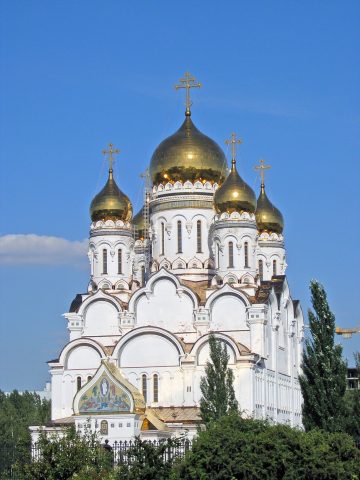
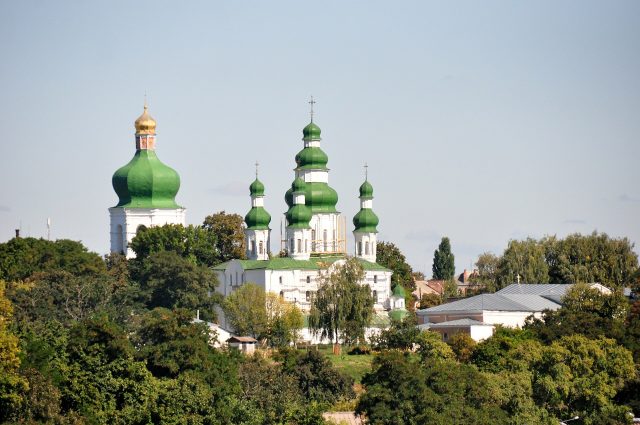
The Transfiguration Cathedral, built in the eleventh century, still dominates the skyline. Its walls hold the marks of time—cracks, repairs, the faint outline of frescoes long faded. Nearby, the Borisoglebsky Cathedral’s austere lines frame what’s left of its medieval art. Walk the old fortress grounds, and the past feels close enough to touch. The weight of armor, the murmur of merchants, the echo of hooves on stone.
Modern life moves quietly here. Nineteenth-century buildings now house cafés and small hotels. The Historical Museum displays Scythian gold, Cossack weapons, and everyday objects from the past. In the evenings, people gather by the river. The Desna reflects the lights of the promenade, rippling under the weight of footsteps.
Chernihiv isn’t large. The cathedrals, parks, and hidden courtyards all fit within a short walk. Chestnut trees bloom in spring, their flowers scattering across the cobblestones. There’s no need to hurry. The city doesn’t shout. It lets you find your own rhythm.
If Kyiv is Ukraine’s heart, Chernihiv is something else—quieter, older, harder to define. It doesn’t explain itself. It just is.
See & Do
All of them
Places on the map
Marker colour follows the categoryClimate and weather
Detailed weather: Chernihiv- Average temperature
- 8 °C
- Precipitation per year
- 600 mm
Average air temperature
°C
-4
-4
1
9
15
18
21
20
14
8
1
-4
Jan
Feb
Mar
Apr
May
Jun
Jul
Aug
Sep
Oct
Nov
Dec