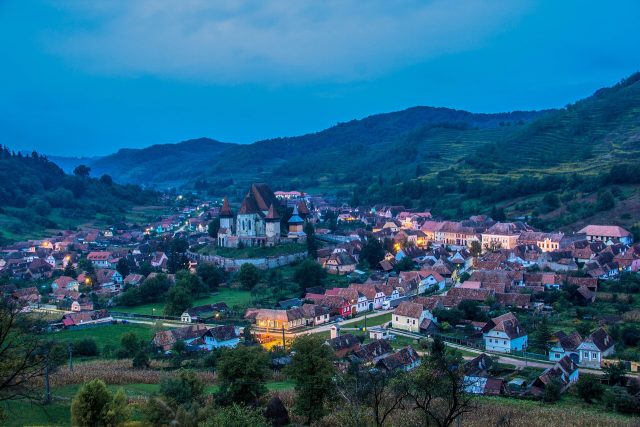
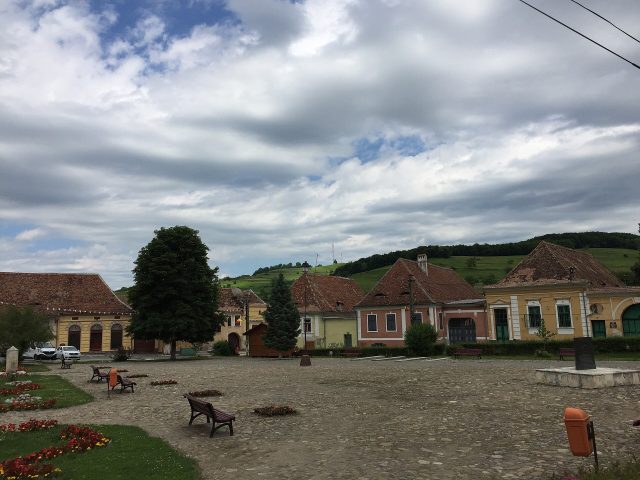
Biertan is one of those rare places where time seems to have paused, leaving behind a quiet village nestled in the rolling hills of Transylvania. The narrow streets, lined with houses topped by terracotta roofs, wind their way through the settlement as they have for centuries. The landscape around it—gentle slopes, patches of forest, and the occasional vineyard—feels untouched by the rush of modern life. There’s no grand entrance here, no fanfare; just the quiet rhythm of a place that has long existed outside the noise of the world.
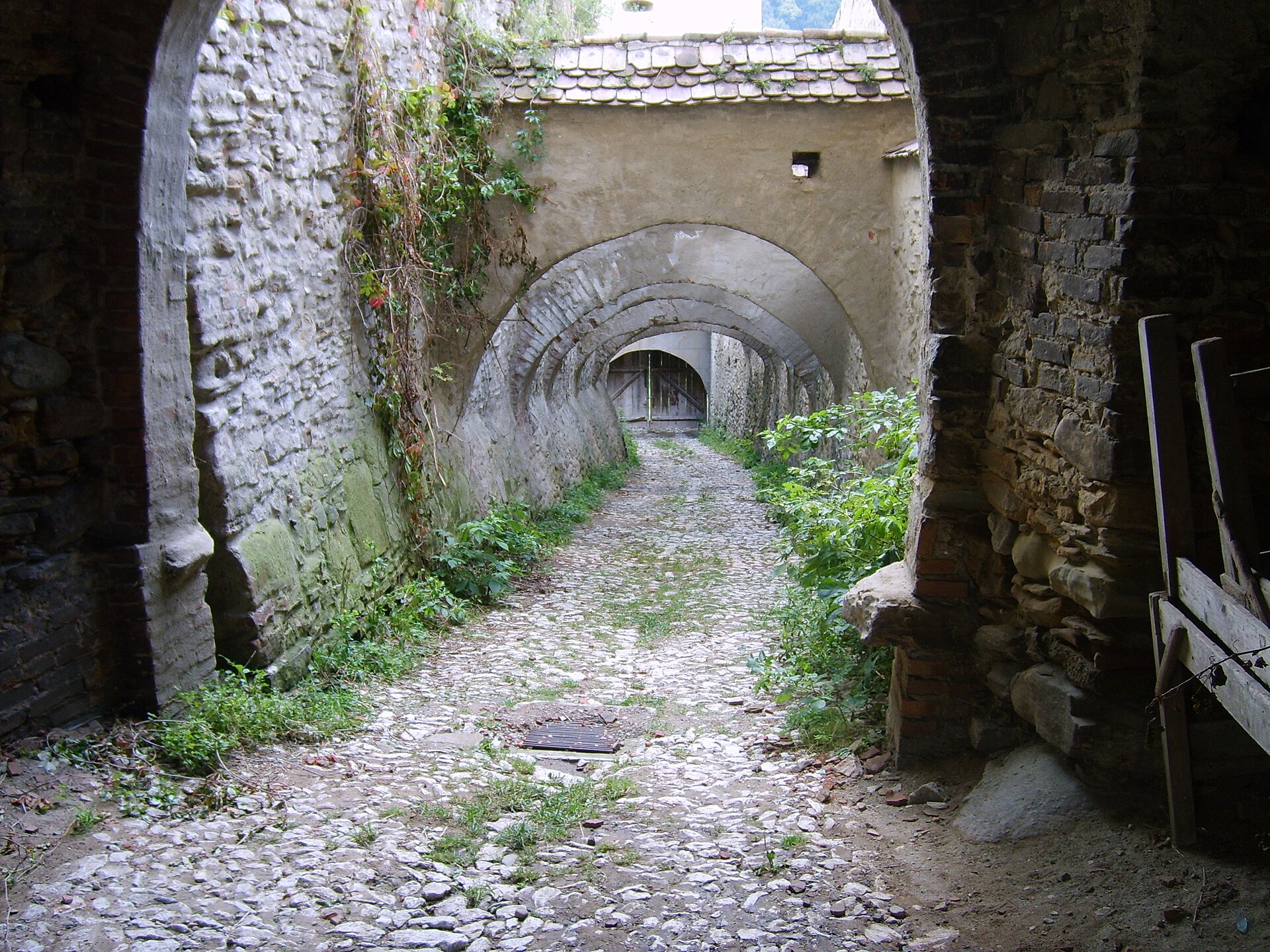
Dominating the village is its fortified church, a structure that has stood for over five hundred years. It wasn’t just a place of worship but a lifeline for the Saxon settlers who built it. In the late 15th century, when Transylvania was part of the Kingdom of Hungary, these settlers were invited to cultivate the land and defend the frontier. The church they erected was more than stone and mortar—it was a sanctuary, a fortress, and a communal heart. Thick walls, defensive towers, and a labyrinth of gates turned it into a refuge during times of conflict. Inside, villagers stored grain, settled disputes, and sought shelter when danger loomed. The architecture reflects this dual purpose: the soaring Gothic nave, with its pointed arches and sturdy buttresses, speaks of devotion, while the fortifications tell a story of survival.
Step inside, and the air feels cooler, the light softer. The wooden pews, worn smooth by generations of worshippers, still face the intricately painted altar. The organ, though centuries old, still fills the space with music during services. One of the most intriguing features is the so-called reconciliation room, a small chamber where couples on the verge of divorce were once sent to spend two weeks together. The legend goes that in the three centuries the church stood, not a single pair emerged from that room still determined to part ways. Whether the story is entirely true or not, it adds a layer of human warmth to the stone walls, a reminder that this place was built for people, not just for defense.
The fortifications surrounding the church are just as impressive. Three concentric walls encircle the structure, each with its own purpose. One tower served as a granary, another as a prison, and a third as a lookout post. Climbing the steps to the top of the walls rewards you with a view that stretches across the countryside—green hills dotted with vineyards, the red roofs of Biertan’s houses, and the distant outline of the Carpathians. It’s easy to imagine sentries keeping watch here centuries ago, scanning the horizon for signs of approaching danger.
By the time the threat of invasions faded, the fortified churches of Transylvania had already become more than just strongholds. They evolved into centers of community life, places where people gathered not only for prayer but for festivals, markets, and celebrations. In the 19th century, Biertan’s church underwent restoration, but the work was careful to preserve its original character. Today, it stands as a UNESCO World Heritage site, a testament to the resilience and ingenuity of the Saxon settlers who built it. Yet it hasn’t become a museum piece. Locals still attend services here, and during festivals, the village comes alive with traditional music, food, and dances passed down through generations.
Walking through Biertan, you notice how much of the past remains visible. A few houses still bear the distinct features of Saxon architecture—thick walls, steep roofs, and small windows designed to keep out the winter cold. The old schoolhouse, where children of farmers once learned their letters, still stands, though it’s no longer in use. The pace of life here is unhurried, shaped by the seasons and the land. There’s no rush to modernize, no pressure to conform to the expectations of outsiders. The village exists as it always has, in quiet harmony with its surroundings.
For visitors, Biertan offers something increasingly rare: a sense of authenticity. There are no crowds, no souvenir stalls hawking trinkets, no guided tours rushing you from one spot to the next. The church isn’t just a landmark to photograph and move on from; it’s a place to sit, to listen, to absorb the stillness. The air smells of earth and woodsmoke, the kind of scent that lingers in memory long after you’ve left. It’s the kind of place that doesn’t just show you history but lets you feel it—the weight of centuries in the stones under your feet, the echoes of voices in the empty pews.
Perhaps that’s why people come here. Not for grand spectacles or Instagram-worthy moments, but for the quiet certainty that some places still exist where the world moves at its own pace. Biertan doesn’t ask for your attention; it simply is, as it has been for hundreds of years. And in a time when so much feels fleeting, that steadiness is its own kind of magic.