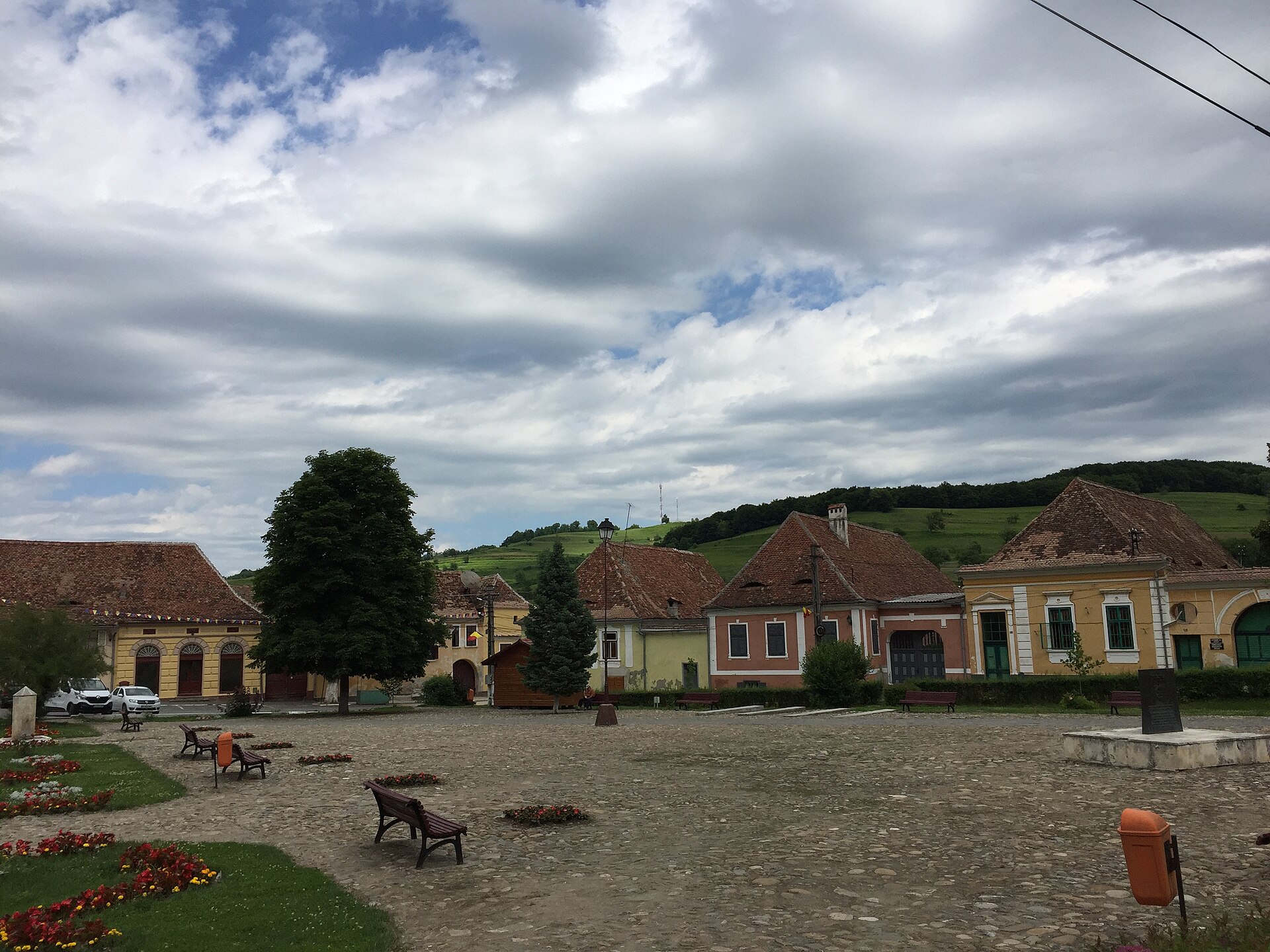
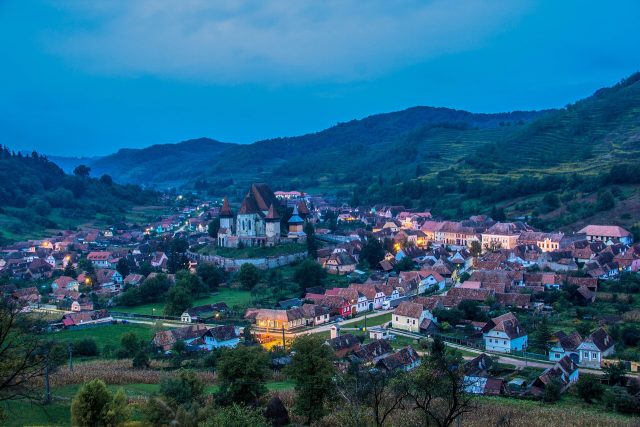
Biertan is one of those rare places where time seems to have paused, leaving behind a quiet Transylvanian town frozen in the Middle Ages. Its narrow streets wind between houses with terracotta roofs, and the stone churches stand as silent witnesses to centuries gone by. At the heart of it all rises the town hall, an unassuming yet powerful symbol of Biertan’s past. More than just an administrative building, it has borne witness to the lives of Saxon settlers, local rulers, and ordinary townspeople, their stories etched into its walls.
The town hall was built in the late 15th century, a time when Biertan flourished as a center of trade and craftsmanship. Saxon colonists, invited by Hungarian kings to settle these lands, constructed fortifications and public buildings that served both as protection and as the pulse of urban life. The town hall became the heart of this community—a place where disputes were settled, laws were made, and the town’s treasures were kept under lock and key. Its thick walls and tall windows suggest a building designed to be both formidable and accessible, a fortress of sorts, yet open to the people it served.
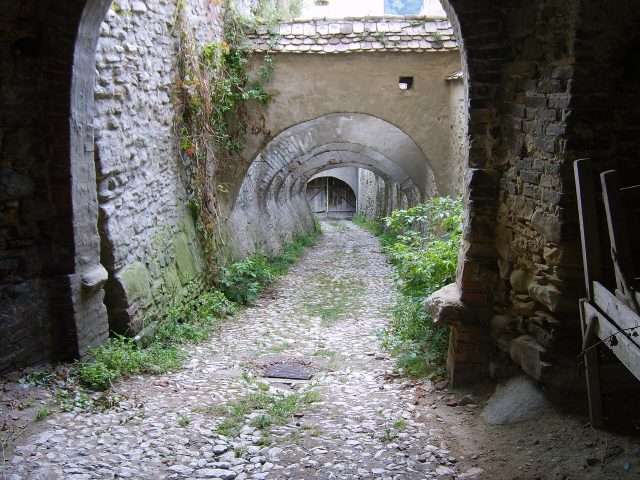
Architecturally, the town hall reflects the late medieval style of Transylvania, with Gothic elements softened by later Renaissance influences. The facade is marked by pointed arches, and the entrance is framed by an intricately carved portal, once crowned by the town’s coat of arms. Inside, vaulted ceilings and ancient wooden beams remain, though much of the original interior has been lost to time. The cellars, however, still hold massive oak doors with wrought-iron bolts, a reminder of the days when the town’s most valuable documents—and perhaps even its wealth—were stored within.
Over the centuries, the town hall’s role evolved alongside the shifting tides of history. In the 16th century, when Transylvania fell under Ottoman and later Habsburg rule, the building remained an administrative hub, though now under foreign governance. Judges and officials continued to gather here, enforcing local laws and maintaining order. By the 19th century, as Biertan lost its official status as a town, the building gradually transitioned into a museum piece, though it still retains some of its original functions.
One of the most intriguing parts of the town hall is its underground cells. Legends say these dim, cramped chambers once held prisoners—and later, debtors. The low ceilings and rough stone walls create an oppressive atmosphere, making it easy to imagine what it must have been like to be confined here centuries ago. Today, the cells are open to visitors, offering a glimpse into a harsher side of the town’s past.
Beyond its architectural and historical significance, the town hall stands as a testament to the Saxon community that shaped Biertan. The Saxons, who arrived in the 12th century, left behind more than just buildings—they established traditions of self-governance that found their expression in this very structure. Though most Saxons left Romania after World War II, their legacy endures in the town’s stone and timber, a quiet reminder of a once-thriving culture.
Visiting the town hall today feels like stepping into a different era. Unlike the grand fortresses of Sighișoara or Brașov, it doesn’t overwhelm with scale or grandeur. Instead, its charm lies in its modesty, in the way it blends seamlessly into the town’s unhurried rhythm. The streets around it are rarely crowded, and the absence of tourist hordes only deepens the sense that time here moves at its own pace. Walking through Biertan, it’s easy to picture the town as it once was—merchants haggling in the square, craftsmen hurrying to their workshops, and the town hall standing as the silent arbiter of their lives.
Climb the tower, and the view unfolds like a living postcard. Red-tiled roofs stretch out below, framed by rolling green hills and the distant Carpathians. On clear days, neighboring villages dot the horizon, their existence just as unhurried as Biertan’s. The landscape has changed little over the centuries, and from this vantage point, it’s almost possible to believe that the past is still within reach.
The town hall is more than just a building—it’s a living piece of history, one that continues to exist alongside the present. It reminds us that even in the smallest of towns, there are stories worth telling, secrets worth uncovering, and echoes of the past that linger in every stone. If you listen closely, you might just hear them.