Biertan
Romania · 4 places
Photo: Florio1974, CC BY-SA 4.0
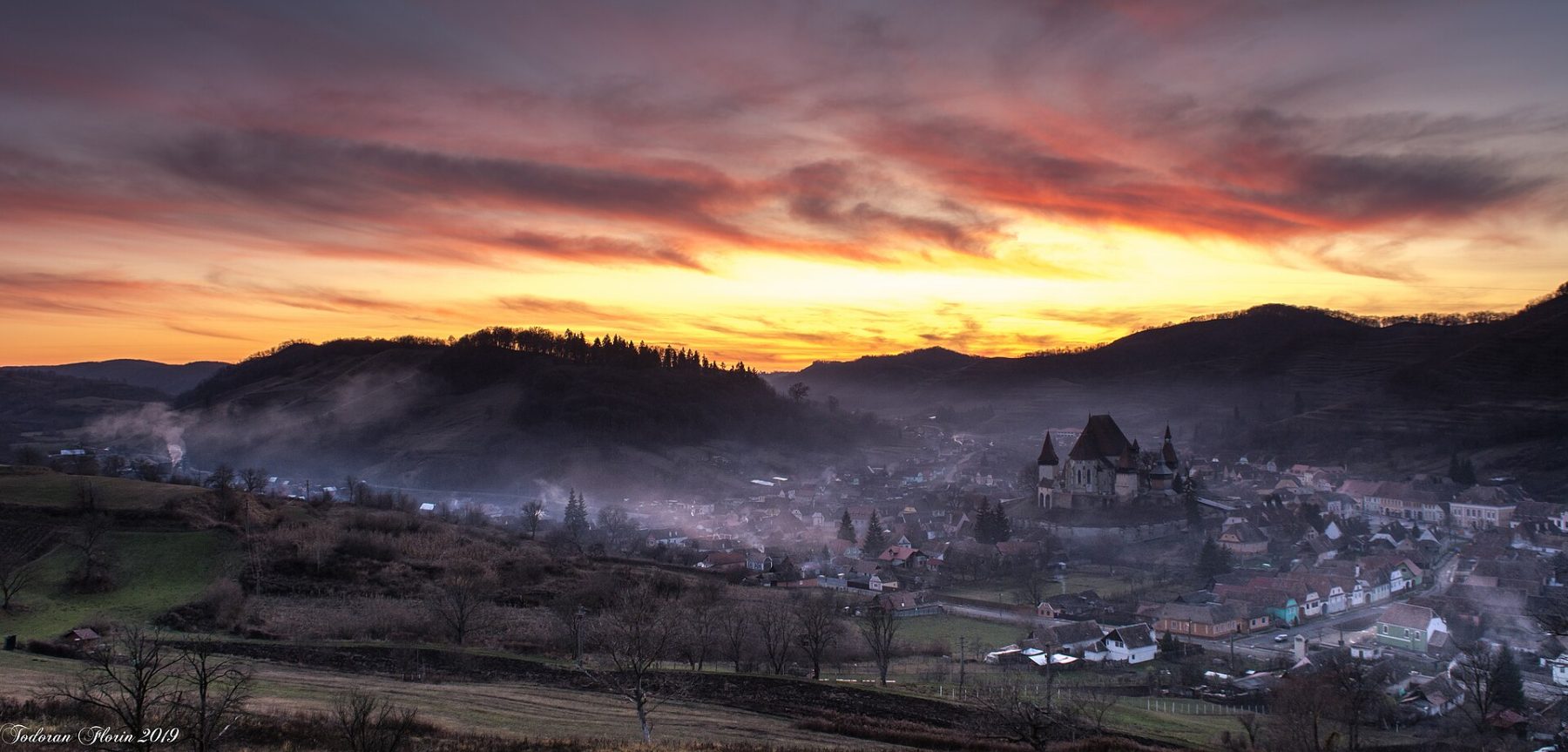
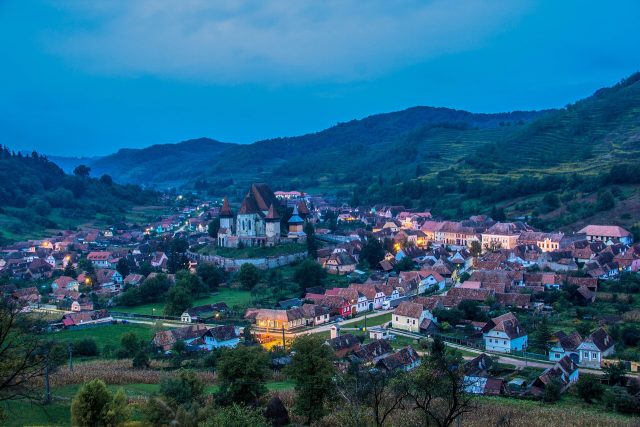
Biertan is one of those quiet Transylvanian villages where time seems to have settled into the cracks of the cobblestone streets. The past lingers here not in grand monuments, but in the way the light falls on the tiled roofs of old Saxon houses, in the rustle of vineyards climbing the gentle hills, in the stillness of the surrounding forests. There’s no rush, no need to fill the silence—just the slow, steady rhythm of a place that has seen centuries pass without changing much at all.
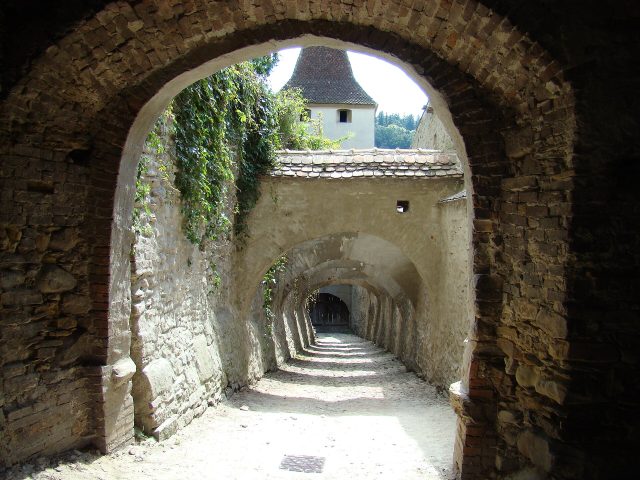
At the heart of the village stands its fortified church, a sturdy relic from the late 15th century. Built when safety was never a given, its thick walls and narrow slits for archers speak of a time when faith and defense went hand in hand. Inside, the courtyard with its arched galleries feels like a place where the whole village once gathered, not just for prayer, but for shelter. The church is best known for its peculiar locking system—a single mechanism with three separate locks, still in working order today. It’s the kind of detail that makes you wonder about the hands that crafted it and the lives it once protected.
One of the village’s more curious traditions involved couples on the verge of divorce. Instead of a quick separation, they were given a small room with a single bed, one chair, and one plate, left to sort out their differences—or not. Whether this was a genuine practice or just a local legend, it’s the kind of story that sticks, a quiet reminder of how seriously the community once took marriage, or perhaps how stubbornly they resisted change.
Biertan is part of Transylvania’s Saxon heritage, a legacy of the German settlers who arrived in the 12th century. They built the houses, planted the vineyards, and kept their customs alive, even as the world around them shifted. Today, you might still hear German spoken in the streets, a faint echo of the past that lingers in the way the village looks and feels. The Saxons left their mark not just in architecture, but in the land itself—rolling hills covered in vines, where wine has been made for generations. Some of the old farms welcome visitors, offering a taste of the local varieties, crisp and bright, the kind of wine that doesn’t demand attention but rewards those who take the time to notice.
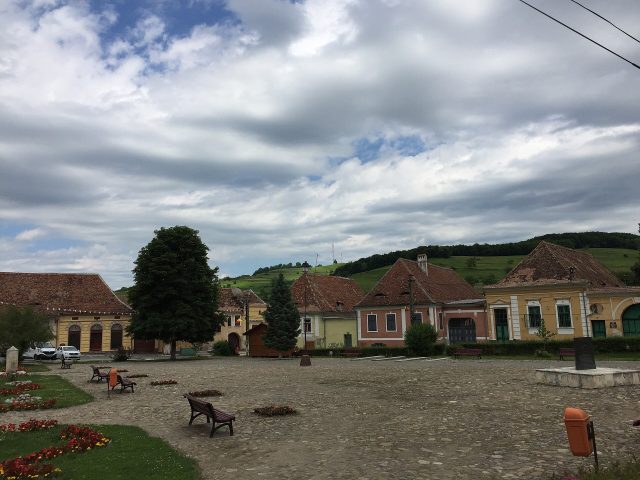
Life here moves at its own pace. Mornings begin with the crow of a rooster, days unfold in unhurried conversations on wooden benches, and evenings are spent in the square by the church or at the small café where strangers are always offered a seat. There’s no grand spectacle, no tourist traps—just the quiet certainty of a place that has always been this way. You could spend hours wandering the hills, following the paths through the woods, or sitting by the river, watching the water slip past. Biertan doesn’t try to impress. It simply endures, as it always has.
See & Do
4 places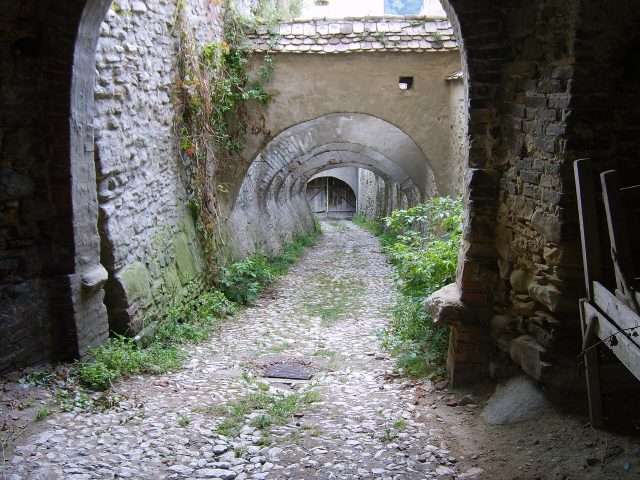
Places on the map
Marker colour follows the categoryClimate and weather
Detailed weather: Biertan- Average temperature
- 11 °C
- Precipitation per year
- 702 mm
- Average humidity
- 74 %
- Sunshine hours per day
- 9 h
- Time zone
- UTC+3 (GMT+3)
Average air temperature
°C
1
2
7
10
14
20
22
21
17
11
5
2
Jan
Feb
Mar
Apr
May
Jun
Jul
Aug
Sep
Oct
Nov
Dec


