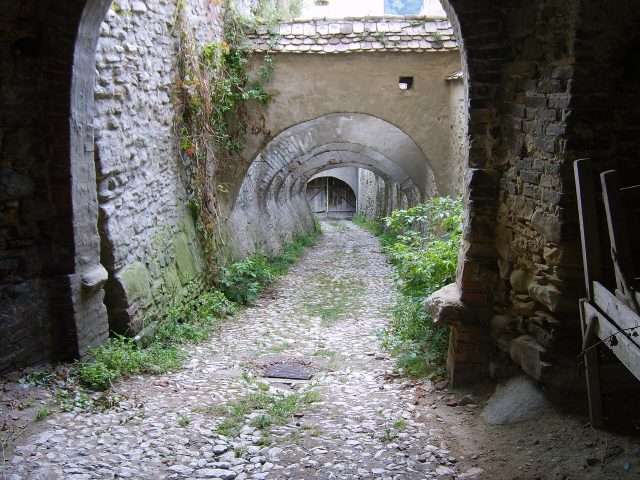
Biertan is one of those rare places in Transylvania where the past lingers. Sun-bleached walls, creaking wooden shutters, and cobblestone streets worn smooth by centuries of footsteps carry the quiet weight of history. The Museum of Saxon Culture stands at the village’s heart, inside what was once the parish school. It doesn’t feel like a museum—more like stepping into a home where every object still holds the stories of those who lived here.
The Saxons arrived in the 12th century, invited by Hungarian kings to defend and cultivate the region. They built sturdy homes, fortified churches, and tightly knit communities. Biertan became one of the seven Saxon settlements known as the *Siebenbürgen* and hosted a Lutheran bishop’s residence. The museum preserves the memory of this culture, which endured through wars, shifting rulers, and the eventual departure of most Saxons in the late 20th century.
The building itself tells part of the story. Constructed in the 18th century, it’s a typical Transylvanian home for a pastor or a well-to-do townsman—thick walls, low ceilings, and heavy oak doors built to last. Inside, the original layout remains: a kitchen with a massive stove, a parlor with carved furniture, and simple wooden beds in the bedrooms. The rooms feel lived-in, as if the inhabitants might return at any moment.
The exhibits are fragments of daily life. Farming tools—plows, sickles, spinning wheels—show the labor that sustained the village. A loom in the corner reveals how cloth was woven for clothing and linens. Household items—clay pots, copper kettles, hand-carved spoons, and embroidered tablecloths—reflect a way of life where nothing was wasted. Photographs show the people who used these things: farmers, women in headscarves, children dressed for celebrations.
One room focuses on religious life. Lutheran texts, vestments, and candlesticks sit alongside documents detailing the local church’s history. Wedding wreaths and costumes, adorned with beads and ribbons, show the months of preparation behind village celebrations. Musical instruments—dulcimers, violins, flutes—evoke the sounds of festivals.
The museum keeps alive the memory of a people who shaped this land. By the late 20th century, most Saxons had left for Germany. Today, only a few remain in Biertan, and many houses stand empty. Yet the museum ensures their story isn’t forgotten. It shows what mattered to them: the traditions they upheld, the skills they passed down, the way they built their lives here.
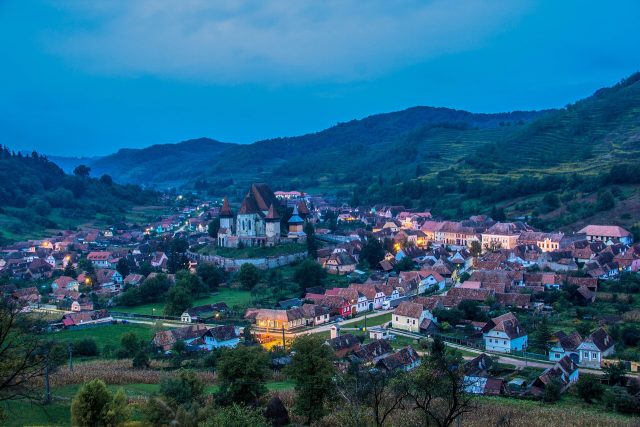
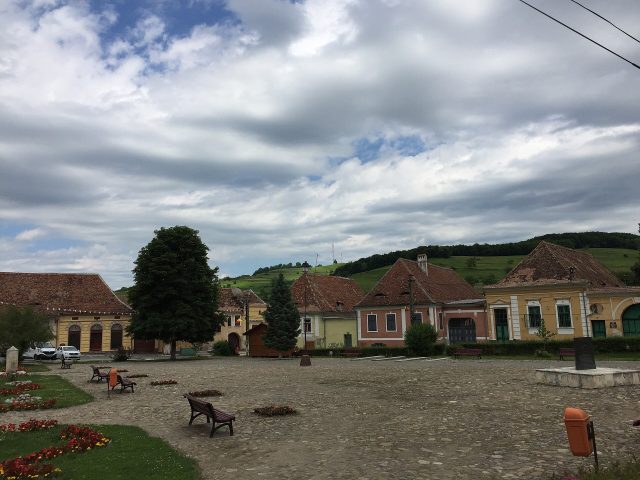
After visiting the museum, walk through Biertan. A UNESCO World Heritage site, the village is a lesson in history. The fortified church, with its triple walls and drawbridge, dominates the skyline. Houses with carved balconies and steep roofs line narrow streets winding toward the central square. In summer, the village is peaceful. By autumn and winter, it grows quieter, disturbed only by leaves or the call of a woodpecker.
This isn’t a place for a quick visit. The museum asks you to linger. Notice the way light falls on a handwoven rug, the grain of wood in an old door, the scent of aged paper. Its value isn’t in spectacle but in its ability to connect you to the lives of ordinary people who once called this place home. If you’re lucky, Biertan will feel less like a stop on a map and more like a place where time pauses.