Mount Teide rises from the heart of Tenerife, the largest of the Canary Islands, like a sleeping giant carved from fire and time. This is not just a volcano but a landscape so alien it feels borrowed from another planet. The air thins as you climb, the horizon blurring into a haze where earth and sky seem to merge. The ground beneath your feet is a mosaic of ancient lava flows, their jagged edges softened by centuries of wind and sun. Every rock, every crevice tells a story of eruptions that shaped the island long before humans set foot here. The national park surrounding Teide is a place where nature has been left to its own devices, untouched and unyielding, a testament to the raw power that forged these islands millions of years ago.
At 3,718 meters, Teide is the highest peak in Spain, a towering presence visible from nearly every corner of Tenerife. Its summit, often dusted with snow even in summer, has been a source of awe and fear for centuries. The island’s original inhabitants, the Guanches, called it *Echeyde*, meaning "hell," believing it to be the domain of Guayota, a demon who once trapped the sun god Magec, plunging the world into darkness. To them, Teide was a gateway to the underworld, a place where only the bravest dared to tread. Modern visitors may no longer fear divine retribution, but the mountain retains an eerie, almost otherworldly atmosphere. The landscape is so stark, so unlike anything else on Earth, that it’s easy to understand why ancient peoples saw it as a place of myth and mystery.
The national park is more than just a volcano—it’s a living laboratory of adaptation. Plants and animals here have evolved in isolation, thriving in conditions that would be inhospitable elsewhere. Hardy species like the Canary Island viper’s bugloss and the Teide white broom cling to life among the rocks, their vibrant blooms contrasting with the dark volcanic soil. Lizards dart between boulders, and insects have developed unique ways to survive the high-altitude extremes. In spring, the slopes burst into color as wildflowers carpet the ground, turning the otherwise monochrome landscape into a patchwork of yellows, purples, and whites. At night, the sky above Teide is a spectacle in itself. With minimal light pollution, the stars appear so close you could almost reach out and touch them. On clear nights, the Milky Way stretches overhead like a silver river, a reminder of just how small we are in the grand scheme of things.
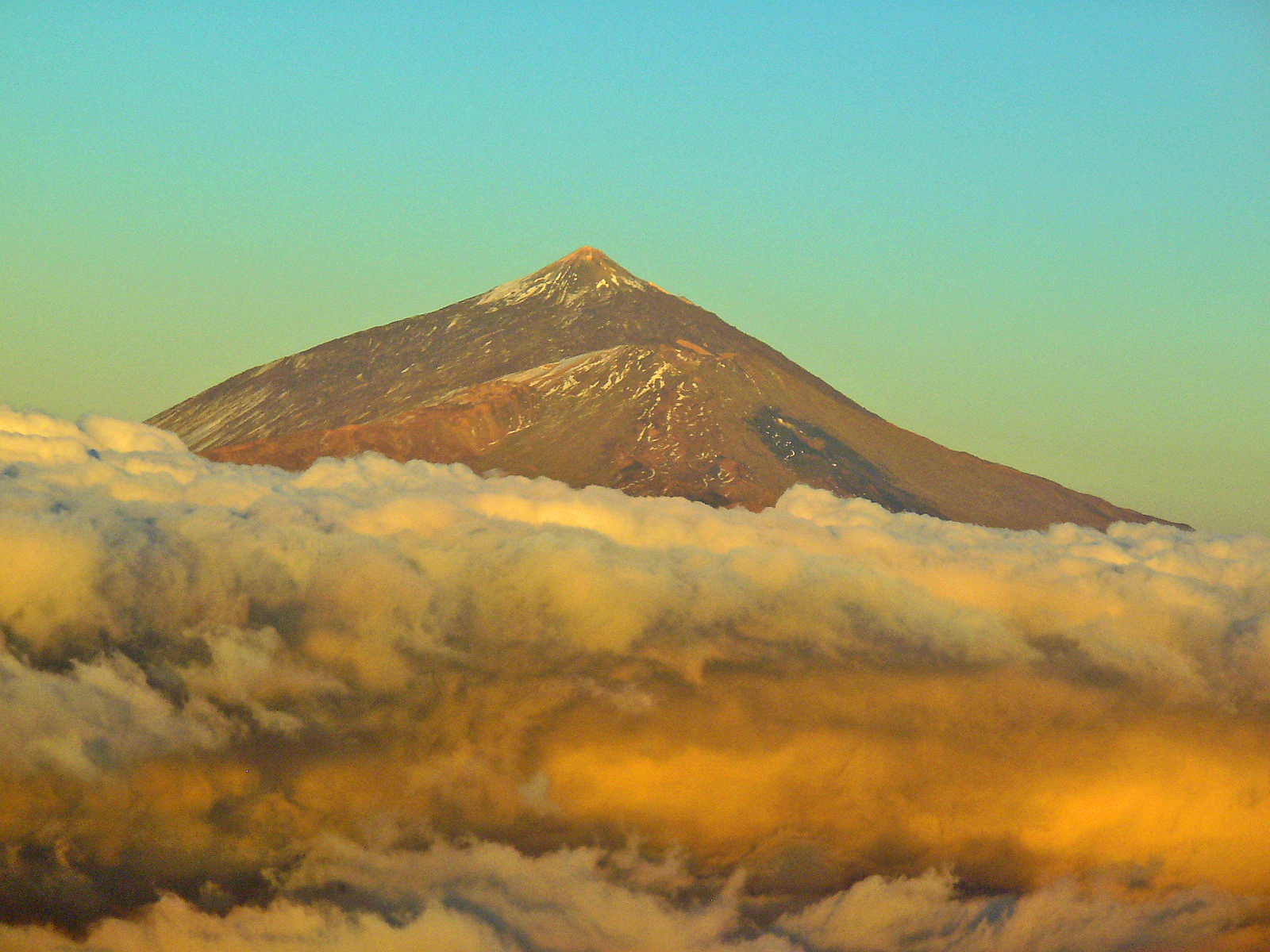
Reaching the summit is an experience in itself. Most visitors take the cable car, which whisks them up to 3,555 meters in just eight minutes. From there, a short but steep hike leads to the very top, though access to the summit crater requires a special permit due to its protected status. Those who make the journey are rewarded with views that stretch across the island and beyond. On a clear day, the neighboring islands of La Gomera, La Palma, and even Gran Canaria are visible on the horizon. The landscape below looks like the surface of the moon—endless fields of solidified lava, craters, and strange rock formations sculpted by time. If you’re lucky, you might catch the moment when clouds roll into the valleys below, creating the illusion of a sea of white with Teide’s peak rising like an island from the mist.
Teide’s history is as dramatic as its landscape. The volcano has been active for millions of years, with its last major eruption occurring in the early 18th century, when lava flows destroyed parts of the coastal town of Garachico. Today, it’s considered dormant, though scientists monitor it closely. For the people of Tenerife, Teide has always been a double-edged sword—a source of both destruction and life. The volcanic soil is rich in minerals, making the surrounding land some of the most fertile on the island. For centuries, locals have cultivated vineyards and orchards in the shadow of the mountain, producing wines and fruits that thrive in the unique microclimate. The volcano’s legacy is woven into the island’s identity, a constant reminder of nature’s power to both give and take away.
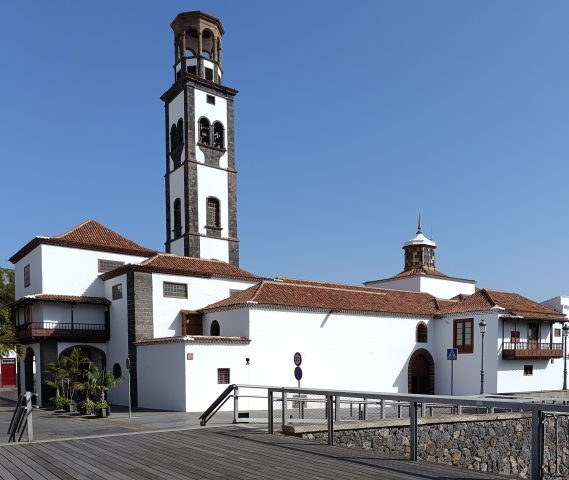
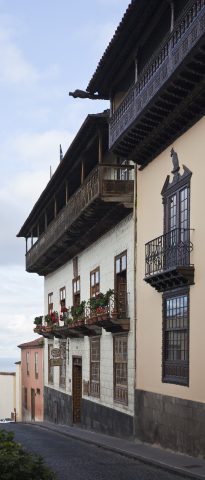
The park isn’t just about natural wonders; it’s also home to traces of human history. Scattered across the landscape are remnants of the island’s past, from traditional Canarian houses with their whitewashed walls and wooden balconies to the ruins of Guanche settlements. One of the most striking man-made features is the Teide Observatory, perched on the mountain’s slopes. This world-class facility takes advantage of the island’s clear skies and high altitude to study the sun and stars. On certain nights, visitors can peer through telescopes to see distant planets, nebulae, and even the occasional aurora—a rare sight this far south. The observatory is a reminder that Teide isn’t just a relic of the past; it’s a place where science and nature intersect, offering insights into the workings of the universe.
Visiting Teide is more than just ticking a box on a tourist itinerary. It’s a chance to step into a world where time moves differently, where the rules of everyday life don’t seem to apply. The air is thinner, the light sharper, and the silence more profound. It’s a place that demands respect, not just for its beauty but for its power. The mountain has shaped the island’s history, its culture, and even its people, who have learned to live in its shadow. Yet for all its grandeur, Teide feels strangely intimate. Walk its trails, and you’ll find yourself alone with the wind and the rocks, the vastness of the landscape making you feel both insignificant and deeply connected to something greater.
If you come to Tenerife, Teide is a must-see, but it’s not a place to rush. The altitude can be challenging, and the weather changes quickly, so it’s best to come prepared. Early mornings are ideal, when the first light of dawn spills over the slopes, painting the rocks in soft golds and pinks. Sunset is another magical time, when the sky turns shades of orange and violet, casting long shadows across the lava fields. At these moments, Teide reveals itself in all its complexity—majestic, mysterious, and a little unsettling, just as it has been for thousands of years. It’s a place that stays with you long after you’ve left, a reminder of the forces that shape our world and the stories they leave behind.