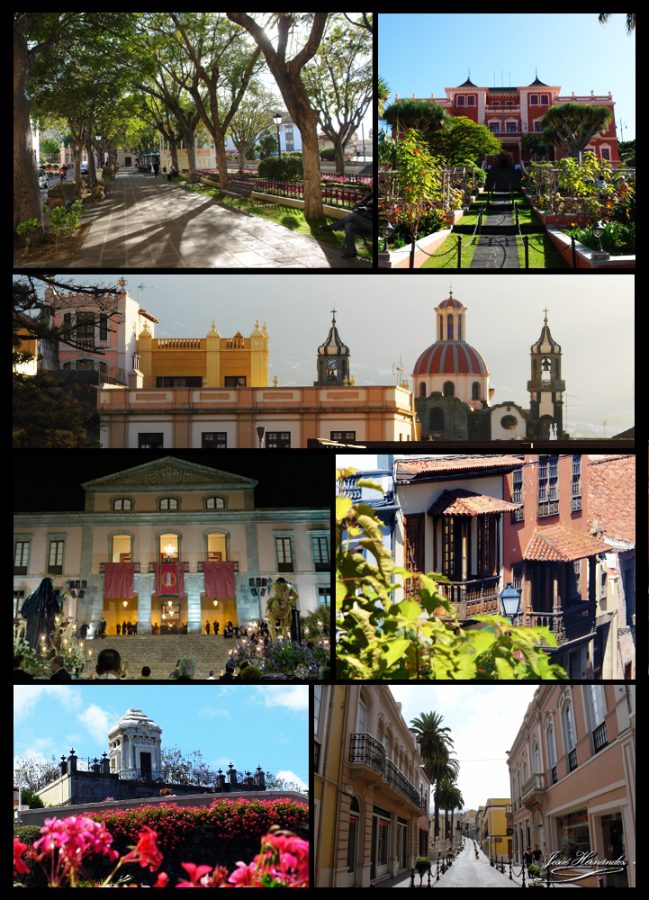
La Orotava
Spain · 7 places
Photo: JosuHdez, Public domain
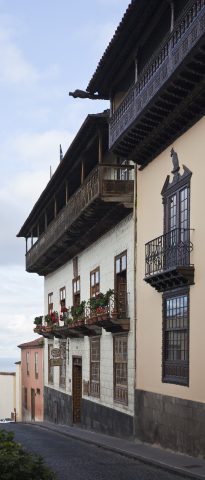
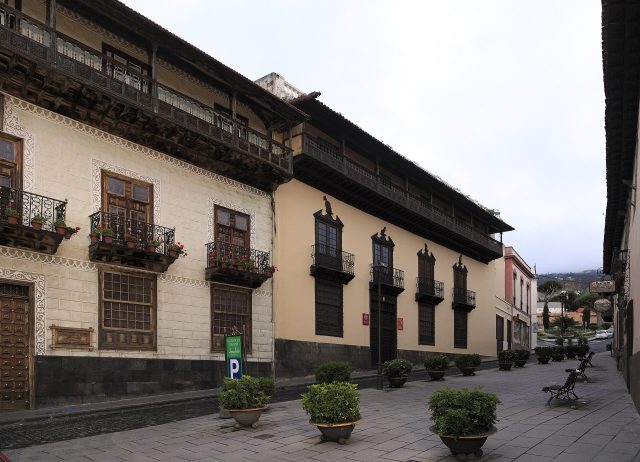
La Orotava is one of those rare places that feels untouched by the rush of modern life. Tucked away in the northern part of Tenerife, it unfolds across a valley like a living postcard from another era, where time moves at the pace of a leisurely stroll rather than a countdown. The streets, paved with dark volcanic stone, wind between whitewashed houses adorned with intricately carved wooden balconies, their facades softened by trailing bougainvillea. Hidden courtyards peek through wrought-iron gates, and the air carries the scent of jasmine and damp earth after an afternoon shower. There are no flashy resorts here, no crowds jostling for the perfect Instagram shot—just the quiet rhythm of a town that has chosen to remain itself.
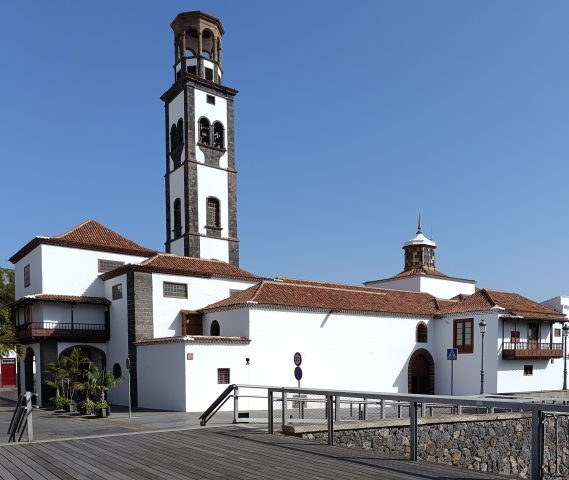
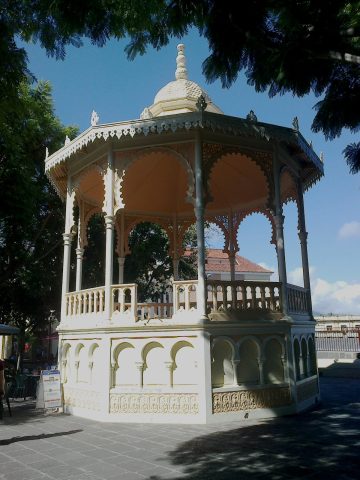
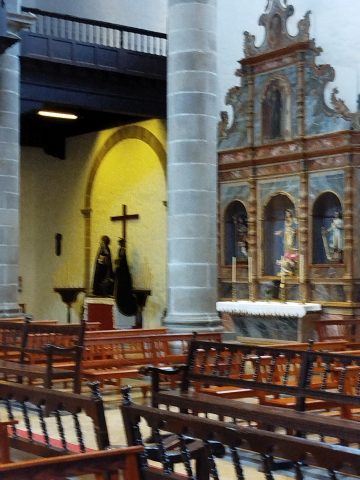
Founded in the 16th century, La Orotava grew into one of the island’s cultural hearts, and traces of its colonial past linger in every corner. The Plaza de la Constitución, with its stately town hall and a fountain that has seen generations come and go, anchors the old quarter. Nearby, the towering bell tower of the Iglesia de Nuestra Señora de la Concepción rises above the rooftops, a familiar landmark for travelers navigating the labyrinth of narrow lanes. The town’s real charm, though, lies in its unassuming elegance—villas draped in lush gardens, doorways worn smooth by centuries of use, and the occasional elderly local pausing to chat with a neighbor. It’s a place where history isn’t preserved behind glass but woven into the fabric of daily life. Tourists drift through, browsing small shops selling handmade lace or ceramic bowls, but the town doesn’t bend to their presence. It simply carries on, as it always has.
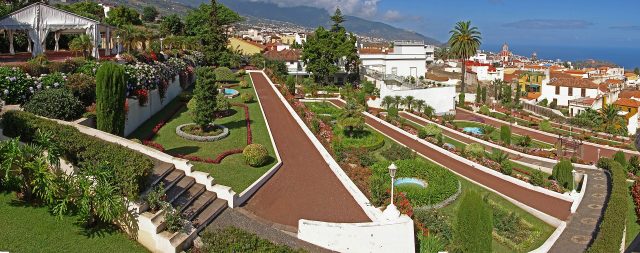
The landscape around La Orotava is as generous as the town itself. The valley cradles terraced fields of bananas and vineyards, their green leaves rustling in the trade winds, while gardens burst with hibiscus, birds of paradise, and other plants that thrive in the mild, humid climate. Unlike the arid south, this part of Tenerife is lush year-round, the air cooler and heavier with the scent of damp soil. Just beyond the town, the slopes rise toward Teide National Park, and many visitors use La Orotava as a base for exploring the volcano. But the town itself is worth lingering in—whether you’re wandering the stepped paths of the Hijuela del Botánico, a historic garden overflowing with rare species, or descending toward the coast, where the Atlantic crashes against black sand beaches. Even a simple bench in the shade of a laurel tree can become a front-row seat to the slow unfurling of the day.
Food here is a quiet celebration of what the land and sea provide. The cuisine is rooted in tradition, relying on simple, hearty ingredients prepared the way they have been for generations. Potatoes, grown in the volcanic soil, are boiled in saltwater until their skins wrinkle, then served with *mojo*, a fiery sauce that comes in red and green varieties. Fresh fish, grilled over open flames, arrives at the table still sizzling, while *conejo en salmorejo*—rabbit marinated in garlic, vinegar, and spices—offers a taste of the island’s rural past. Local wines, made from grapes cultivated on the valley’s slopes, are often poured into glasses without fanfare, their crisp acidity the perfect complement to a meal. If you’re lucky, you might stumble upon a festival, where music spills into the streets, couples dance the *isa* or *folía*, and trays of *bienmesabe*, a sweet almond cream, are passed around like a shared secret.
What sets La Orotava apart from the rest of Tenerife is what it lacks. There are no golden-sand beaches, no neon-lit nightclubs, no souvenir shops hawking plastic castanets. Instead, there’s the hush of a town that has refused to be packaged for tourists, the way the light slants across the cobblestones in the late afternoon, the distant sound of a church bell marking the hour. It’s a place for those who prefer authenticity over attractions, who want to see the Canary Islands not as a backdrop but as a lived-in world. La Orotava doesn’t try to impress. It doesn’t need to. It exists as it always has—unhurried, unpolished, and utterly itself. And for those who take the time to look, that’s more than enough.
See & Do
7 places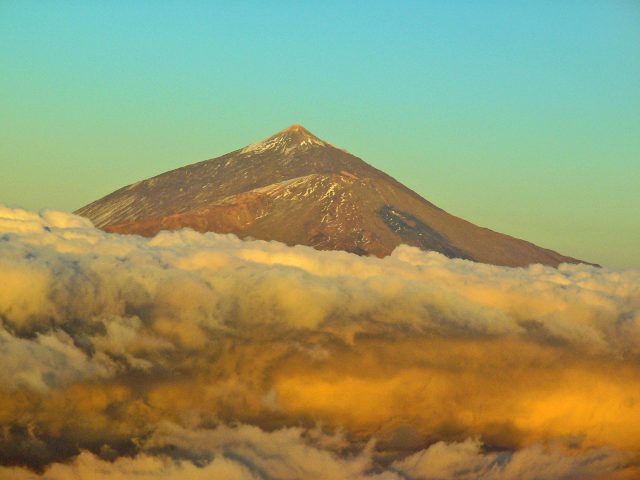
Places on the map
Marker colour follows the categoryClimate and weather
Detailed weather: La Orotava- Average temperature
- 17 °C
- Precipitation per year
- 449 mm
- Sunshine hours per day
- 5.8 h
Average air temperature
°C
14
14
14
15
16
18
20
22
20
20
17
15
Jan
Feb
Mar
Apr
May
Jun
Jul
Aug
Sep
Oct
Nov
Dec


