La Orotava is a town where time seems to move at its own unhurried pace. The narrow streets, paved with dark volcanic stone, wind past old mansions adorned with intricately carved wooden balconies. The air carries the scent of flowers and freshly baked bread, and history isn’t confined to museums here—it lingers in the worn cobblestones, the quiet courtyards, and the very walls of the buildings. Among these, Casa de los Balcones stands as a place where the island’s past feels almost tangible, a rare spot where the modern world hasn’t drowned out the echoes of earlier times.
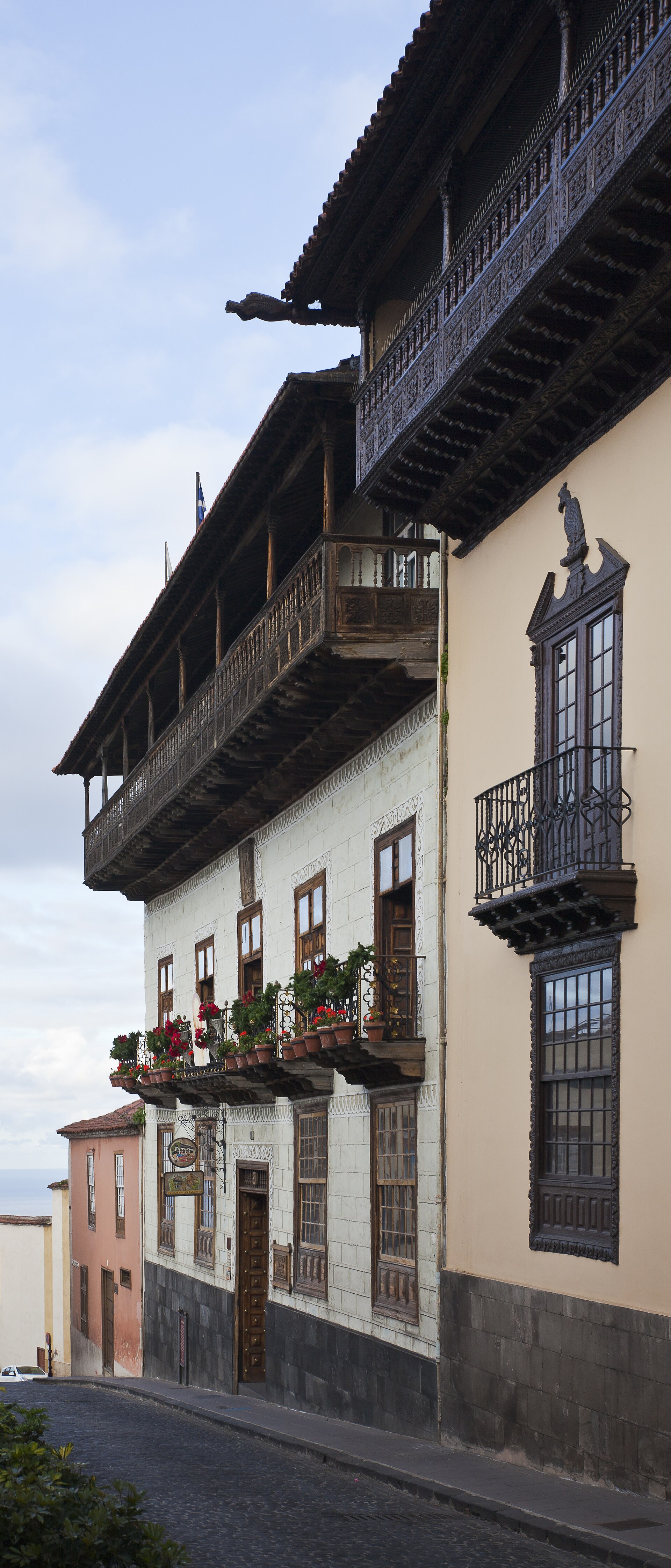
Built in the 17th century, the house is a fine example of Canarian architecture, blending Spanish colonial influences with local traditions. Its most striking feature is the wooden balconies that wrap around the facade, their elaborate carvings a hallmark of the Canary Islands. These weren’t just decorative—they served practical purposes, shielding interiors from the intense sun, offering discreet views of the street below, and even providing space to dry fruits and herbs. The wood, a local variety of pine known for its durability, has withstood centuries of weather, preserving the balconies in remarkable condition.
Inside, the house retains the atmosphere of a bygone era. Thick stone walls, high ceilings with exposed wooden beams, and a central patio—where all the rooms converge—are typical of traditional Canarian homes. The patio was the heart of the house, a place for family gatherings, socializing, and escaping the midday heat. Some rooms still hold period furniture, ceramics, and household items that offer a glimpse into the lives of the island’s wealthier residents. One of the most interesting collections is the handmade lace and embroidery, once renowned across the archipelago and even exported to Europe. These delicate crafts were a source of pride for local women, and their skill is still celebrated today.
Over the years, Casa de los Balcones has played many roles. It wasn’t just a private residence but also a gathering place for prominent families, a venue for community events, and even a temporary shelter for travelers. One local legend claims that an unnamed English explorer once stayed here in the 18th century, leaving behind journals that describe Tenerife in vivid detail. Whether the story is true or not, the house has a way of making such tales feel plausible, as if the walls themselves could whisper secrets if you listen closely enough.
Today, the house functions as a museum, though it’s far from the kind where exhibits are locked behind glass. Visitors can walk across creaking wooden floors, run their fingers along the carved balcony railings, and peek into old chests. Some rooms even allow you to sit in the same chairs once used by the house’s original owners. Guides don’t just recount the building’s history—they share stories about daily life in the Canary Islands, from traditional crafts to long-held customs. The art of lace-making and embroidery, for which La Orotava was once famous, is still practiced here, and you might even find artisans at work in one of the rooms, their needles moving with quiet precision.
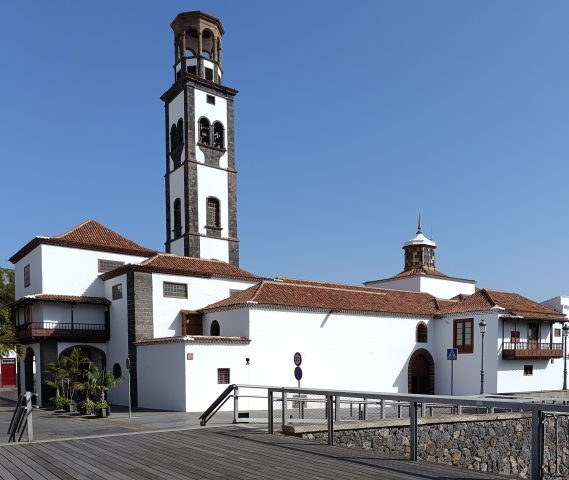
The area around Casa de los Balcones is just as rich in character. La Orotava is a town where every street has its own story. Nearby stands the Church of the Immaculate Conception, a 16th-century structure with a simple yet striking facade, while a short walk away is Plaza de la Constitución, a lively square with fountains and cafés. The town is known for its festivals, particularly the Corpus Christi celebrations in June, when streets are transformed into vibrant carpets of flowers and colored sand, forming intricate patterns that last only a day. If you’re lucky enough to visit during this time, the sight is unforgettable.
Casa de los Balcones isn’t just a tourist attraction—it’s a living piece of La Orotava’s history. It serves as a reminder that the Canary Islands are more than just beaches and resorts; they’re a place where cultures have intertwined over centuries, leaving behind a legacy that’s still visible today. You could spend an hour wandering its rooms, losing yourself in the details of the past, or simply sit on a bench outside, watching how the light shifts across the carved balconies as the breeze rustles the leaves of nearby trees. Either way, the house leaves you with the quiet sense of having touched something real, something that has endured.