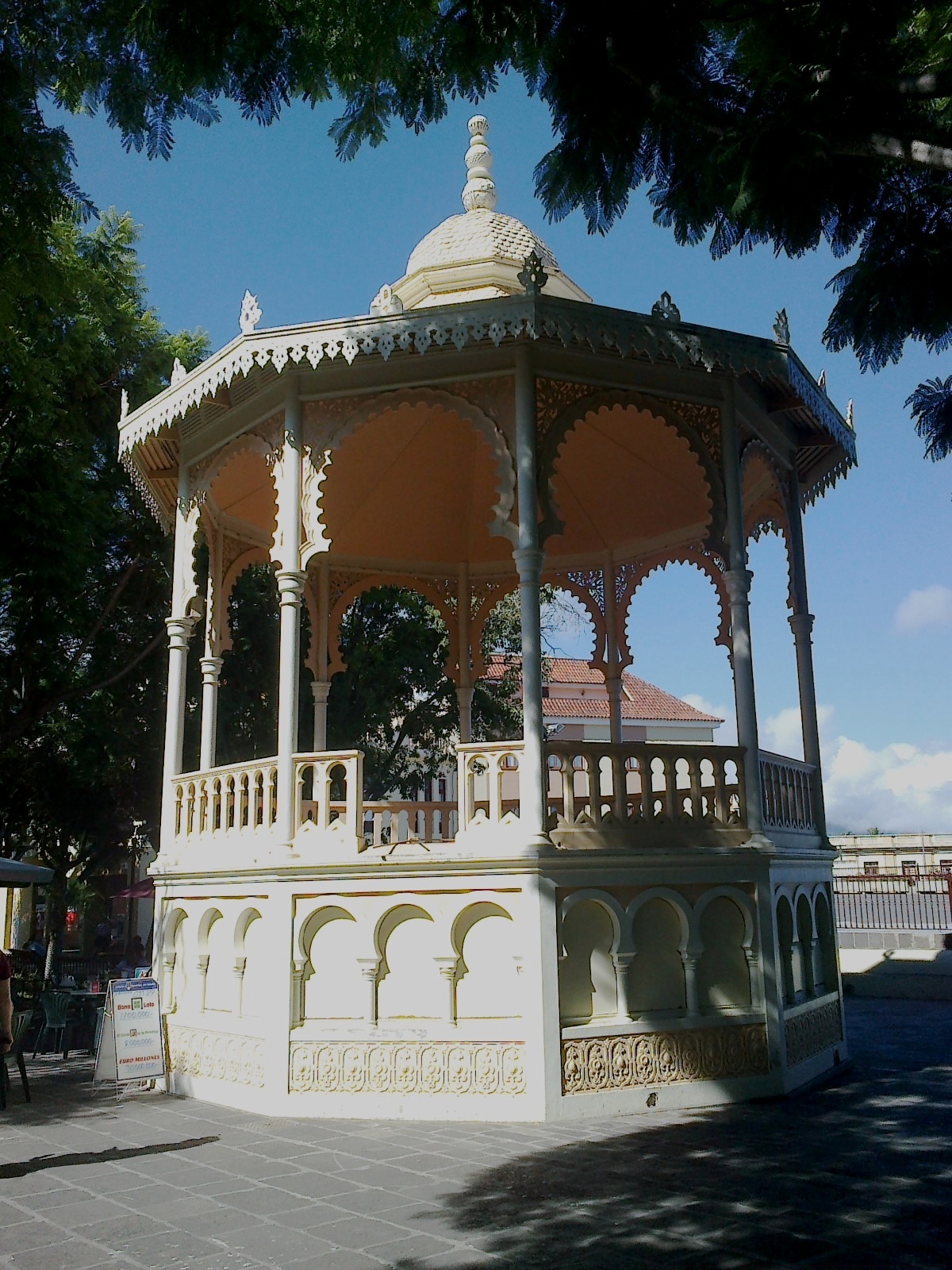
Plaza de la Constitución is the heart of La Orotava. Wooden balconies creak in the breeze, and cobblestones curve underfoot, polished by centuries of footsteps. The square doesn’t feel like a tourist stop—it feels like a place where life happens, day after day, much as it has since merchants traded wool and wine here under lantern light.
La Orotava grew in the 16th century as a link between Europe and the Americas. The square started as a marketplace, then became the town’s social center—where proclamations were read, debates held, and neighbors caught up on news. Its name changed with the times: Plaza de la Alhóndiga, Plaza Mayor, until the 19th century, when it took its current name after Spain’s constitution. Each name marks a shift in power and priorities.
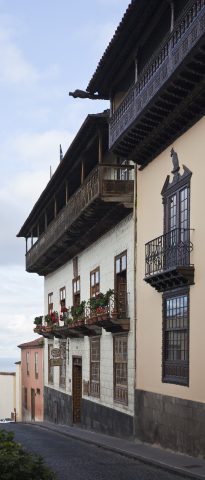
Buildings here are Canarian Baroque. Volcanic stone and pine form their frames, while balconies display carvings that once signaled wealth. These weren’t just for show—they kept out sun and rain and let residents watch the square without being seen. Some date to the 17th century. Look closely, and you’ll see where time has left its mark: patches where cracks were filled, paint touched up.
The fountain in the center was once the main water source. Now it’s where people sit, talk, or just watch the day pass. An elderly woman knits in the shade. A student reads. A couple drinks coffee at a café nearby. The pace is slow enough to notice the way light hits the stones in the afternoon or the scent of jasmine from a courtyard.
Cafés around the square serve food that hasn’t changed much over time. Goat stew, potatoes with mojo, sheep’s milk cheese—all made the way they were a hundred years ago. In the evening, streetlamps glow on wet stones. Voices mix with the clink of glasses and the sound of a guitar.
Festivals bring the square to life, especially San Isidro, when music fills the streets and petals cover the ground. But even on quiet days, there’s energy. A musician plays. An artist sketches. Children run around the fountain. To locals, it’s just another day. To visitors, it feels like something rare.
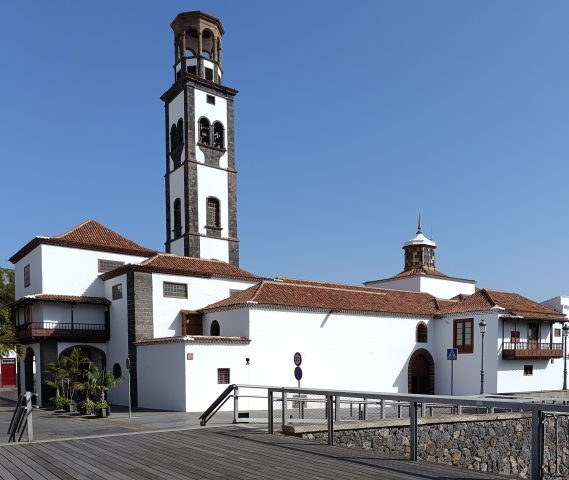
From here, the rest of La Orotava’s old town is close. The Church of the Immaculate Conception is a short walk away. The Villa del Franco, a historic mansion, shows how the island’s elite once lived. Every building has a story, but the best way to hear it is to sit down. Listen to children playing. Watch as men set up dominoes under the trees.
This isn’t a place for crowded beaches or resorts. It’s a square where time moves differently. Past and present exist side by side, without fuss. No grand spectacle—just the quiet rhythm of a town that knows how to live. If you want to find La Orotava’s soul, come here. See how the light falls on the stones. Watch how locals still gather, just as they have for centuries.