La Orotava’s historic center feels like a place where time has paused—not in decay, but in quiet preservation. The streets, paved with dark volcanic stone, wind between buildings that have stood for centuries. Their facades tell stories of wealth, faith, and the slow rhythm of island life. Founded in the 16th century, the town grew alongside Tenerife’s rise as a stop for Spanish galleons carrying silver, spices, and goods from the New World. Today, it remains a living archive of the past, where the colonial era isn’t just remembered—it’s still part of daily life.
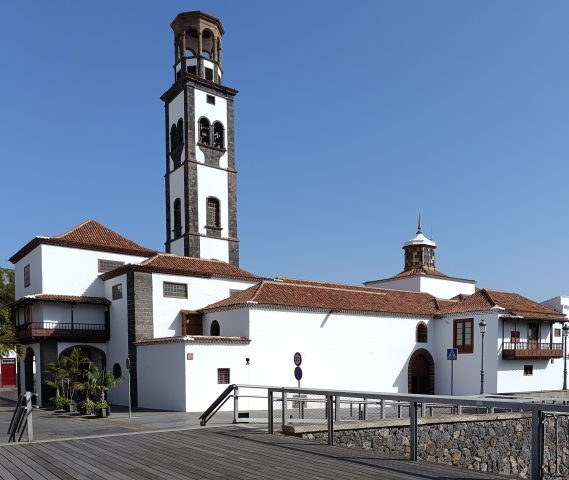
Plaza de la Constitución is the heart of the old town. Once, it hosted public executions and bullfights. Now, it’s quieter, framed by houses with carved wooden balconies draped in flowers. The town hall, built in the 18th century, dominates one side with its baroque facade. Nearby, the Church of the Immaculate Conception rises above the rooftops. Inside, the cool, dim interior offers respite from the sun. The scent of old wood and candle wax lingers in the air.
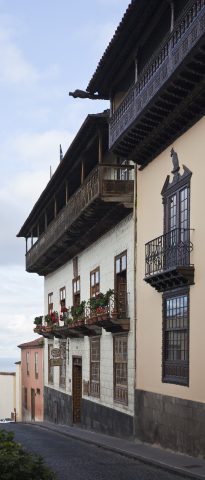
The *caserío* is one of La Orotava’s most distinctive features. These traditional Canarian houses, built around an inner courtyard, belonged to merchants and landowners. Their status showed in plasterwork and hand-carved balconies. Some are now museums, like the Casa de los Monteverde. Rooms there hold antique furniture, maps of old trade routes, and objects that hint at past lives. The courtyard, open to the sky but sheltered from wind, was the center of family life.
The streets are narrow and winding, designed for mules. They lead past small shops selling local cheese, wine, and ceramics. In May, the town transforms for Corpus Christi. Streets are covered in carpets of flowers and colored volcanic sand. The designs last only a day before being swept away. Even outside festival season, the town reveals itself slowly. A wrong turn might lead to a hidden plaza. A doorway left ajar could offer a glimpse of a courtyard with potted plants and the sound of a fountain.
Parque Victoria lies just beyond the center. It was once part of a monastery. The trees are old and gnarled, casting dappled shade over paths. Locals come here to escape the heat, sitting on benches or reading under the leaves. The park reminds you how closely the town’s history is tied to the land—its volcanic soil, its climate, its water.
Houses in La Orotava were built to endure. Thick walls keep out the heat. Small windows trap cool air inside. The layout of the streets, twisting and turning, breaks the force of wind from the mountains.
The Villa de Franchy is among the grandest buildings. This 19th-century mansion blends neoclassical and modernist styles. Its columns and stucco details stand out. Today, it hosts cultural events. Even from the outside, it’s clear this was a home meant to impress. The town has always absorbed outside influences—architectural and cultural—and made them its own.
History isn’t confined to museums. It’s in the worn steps of a staircase. It’s in the faded paint on a wooden door. Old fountains along Calle del Agua once supplied the town with water. They’re no longer in use but kept in good repair. Water was scarce, and every drop mattered. The town’s relationship with water is still visible in irrigation channels running through farmland, a system brought by the island’s original inhabitants.
La Orotava isn’t frozen in time for tourists. People live, work, and gather in the squares. The pace is slow. Visitors aren’t kept at a distance. They’re absorbed into the rhythm of the town—sipping coffee at a café or browsing a market stall. There’s no rush to see everything. The best way to experience La Orotava is to wander without a plan. Let the streets guide you. Stop when something catches your eye.
The town lingers in memory. It might be the way light falls on volcanic stone in the late afternoon. It might be the sound of church bells echoing over rooftops. Here, the past isn’t distant. It’s present in the way people live, in the buildings they’ve preserved, in the stories they tell. La Orotava doesn’t demand attention. It simply offers itself. Those who take the time to look will find it has a quiet magic.